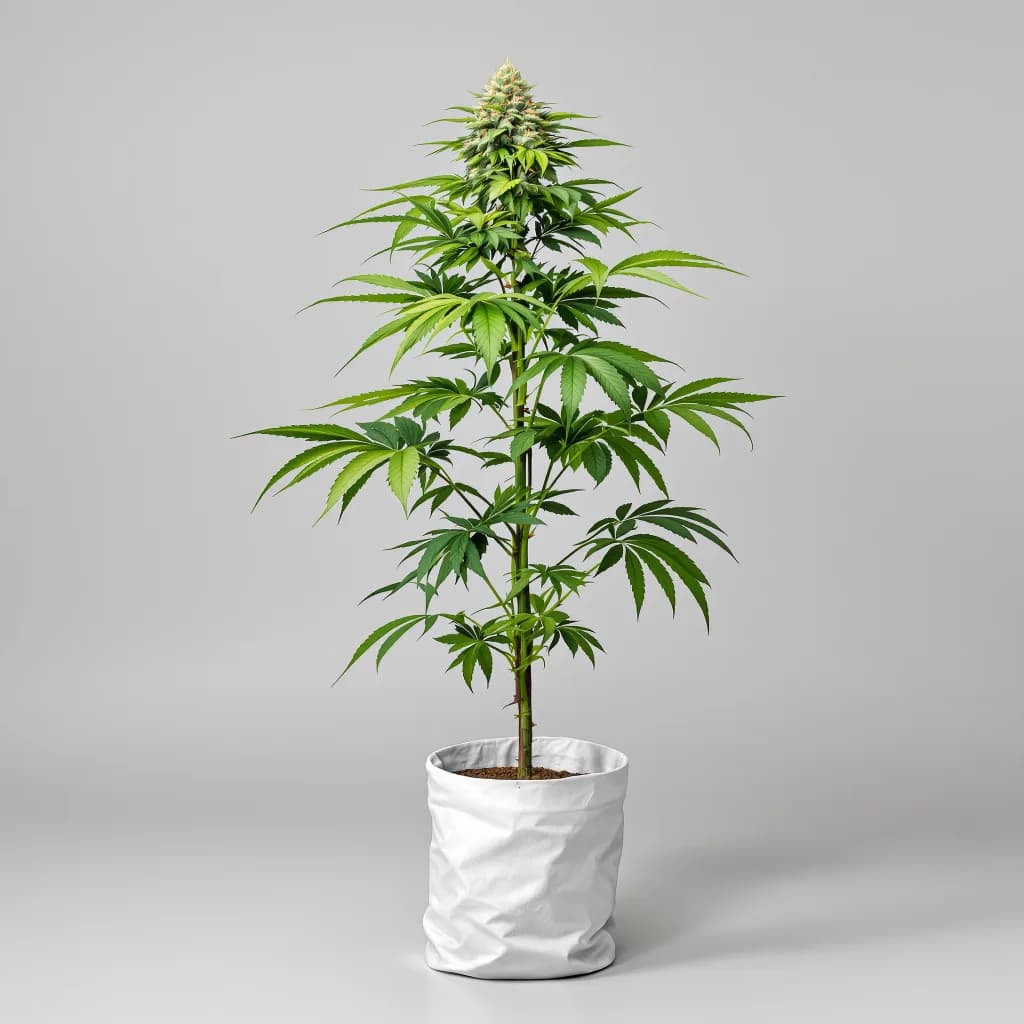
Future Feminised
Future Feminised — hybrid, 24% THC on the listing, relaxed, happy, euphoric. Sent in plain packaging with NZ Post tracking and covered by our germination promise.
What the seed lot did on the bench
Every lot is checked before it goes on the shelf, and the yield figures come from New Zealand growers who sent us a harvest weight against a batch code. This lot was read on 2026-09-22, from a tray sample of 120.
Outdoor figures come from a New Zealand season, so they run below what the same cultivar reaches somewhere with a longer, drier autumn. Treat them as what this plant does here. The full report for this lot sets out the method and the terpene panel.
About Future Feminised
Future is bought for what comes off it, and the sourced figures are 400-550 g/m2 under lights and 500-700 g/plant from a plant grown out. Those are ceilings, not promises — pot volume, light intensity and how honestly you feed decide where you land inside them. Run the numbers for your own tent with the yield calculator before committing to a pack size, and put it next to the rest of the high-yield strains if weight is the whole point.
Getting the Weight Out of Future
What the sourced data gives for this cultivar: 400-550 g/m2 under lights, 500-700 g/plant from a plant grown outside. Reaching either is an environment problem before it is a genetics one.
Root volume sets the ceiling before a single flower forms. Under-pot a plant and no feeding schedule rescues it. Get the container right early and the plant does the rest.
Light is the second lever, and the one most growers get wrong in both directions — too little through veg, too much in late flower where it bleaches rather than builds. Steady beats aggressive.
The third is the fortnight around the flip. The stretch after the flip decides your final canopy shape, and it is the last moment training does anything useful.
Feed to the plant rather than the calendar. Our nutrient calculator gives a starting schedule; the plant will tell you where it is wrong. Worth a side-by-side comparison before you commit if weight is the deciding factor.
Effect Profile
Relaxed, Happy, Euphoric is the consensus, and consensus is worth exactly what it sounds like — a starting point. 24% THC sets the scale; caryophyllene and the terpenes alongside it shape the character rather than the strength.
Onset is quick by inhalation and slow by ingestion, which is where most bad experiences begin. Expect either, depending on how much you take.
If potency is what you are shopping for, the high-THC seeds category is sorted for it.
The Terpenes
Caryophyllene leads, limonene sits behind it, and myrcene runs underneath.
This trio is a common signature in well-regarded cultivars, which is not an accident: caryophyllene carries weight, limonene adds definition, myrcene keeps it from being one-note. It reads clearly on a first opening rather than needing to be hunted for.
Who It Suits
Who does well with Future? Growers who want to control plant size and harvest date, and have the vegetative space to use that control. Anyone past their first grow.
Still deciding? The indoor-friendly genetics list is the narrower place to start.
Published Figures
- Finishes in 8-10 weeks
- Under lights: 400-550 g/m2
- Grown out: 500-700 g/plant
- Height: 150 cm
- Difficulty: moderate
Reported Effects
Descriptive, and ordered by how prominently each one appears in the sources we hold. Not a survey, and not a measurement.
Best For
Where It Sits
The Numbers
How it arrives
Feminised Premium
Seeds
authenticity
lining
number
Related Strains

Guptilla Feminised
Hybrid genetics for a New Zealand grow. Guptilla Feminised carries a listed 29% THC and reads relaxed, happy, euphoric. Priced in NZD, GST included, delivered nationwide.
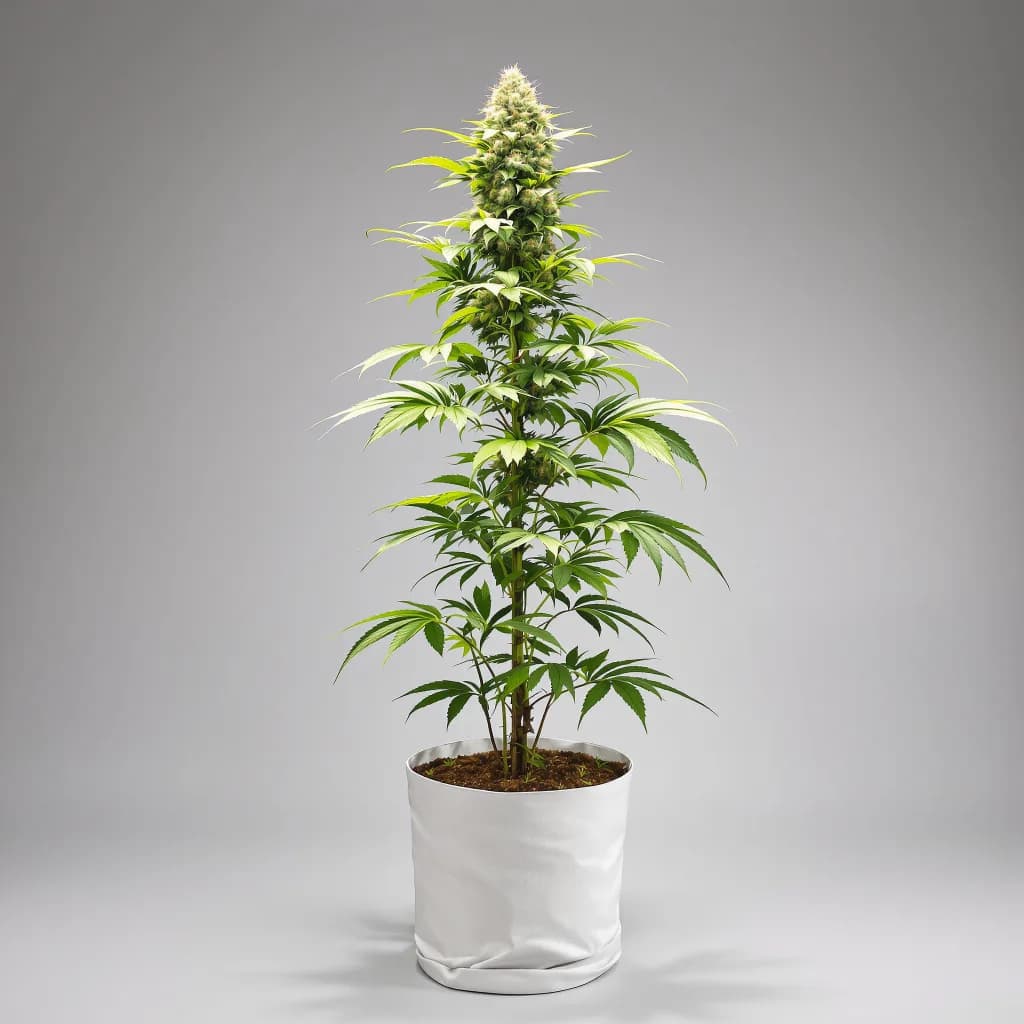
Grease Monkey Feminised
Growing Grease Monkey Feminised in New Zealand: a hybrid at 31% THC, relaxed, happy, euphoric. Flowering window and height are on the page where we hold them, blank where we do not.

Citrus Sap Feminised
Citrus Sap Feminised, a sativa listed at 23% THC and described as euphoric, calm. Posted unbranded and tracked to any New Zealand address, with the grow figures we could trace on the listing.

Rainbow Glue Feminised
Indica genetics for a New Zealand grow. Rainbow Glue Feminised carries a listed 22% THC and reads euphoric, focused, calm. Priced in NZD, GST included, delivered nationwide.
Where Future Feminised Comes From
Documented parentage is Gorilla Glue #4 × Starfighter F2. Where a cultivar's origin is recorded we name it on this page; where it is contested or simply unknown, the field stays empty rather than being filled with something plausible.
We did not originate the cultivars in this catalogue and do not claim to have. What we do is select and stabilise the lines we sell, so that a pack grows out more uniformly than an unworked one — which matters more in New Zealand than in most places, because an outdoor grower here is working to a frost date rather than an open-ended season. The stabilisation programme sets out how that works and what it does not cover.
Every pack is covered by our germination promise: follow the method in the germination guide and seed that fails to open is replaced free within 30 days.