
Deadwood Auto
Deadwood Auto, a indica listed at 15% THC and described as creative, focused. Posted unbranded and tracked to any New Zealand address, with the grow figures we could trace on the listing.
What the seed lot did on the bench
Every lot is checked before it goes on the shelf, and the yield figures come from New Zealand growers who sent us a harvest weight against a batch code. This lot was read on 2026-09-03, from a tray sample of 200.
Outdoor figures come from a New Zealand season, so they run below what the same cultivar reaches somewhere with a longer, drier autumn. Treat them as what this plant does here. The full report for this lot sets out the method and the terpene panel.
About Deadwood Auto
Days 1 to 14. Deadwood cracks on damp paper towel inside about two days and is through the medium by day three, given warmth and patience rather than intervention. Seedlings want humidity near 70% and no nutrients at all — the seed carries everything for the first week. By the end of the fortnight you are looking for even node spacing rather than height; a stretched seedling is a light problem, not a vigour signal. New to this? The free seeds on offer are a low-stakes way to practise the germination step.
Deadwood Through the Grow
Weeks 3 to 6. Growth stops being tentative. This is when training earns its keep: bend rather than cut if you are unsure, because a bent branch recovers in a day and a topped one costs a week. Expect width rather than height, and space plants accordingly.
The transition. There is no flip. Flowering starts on its own, which means any stunting from an over-eager early feed is now permanent.
Mid-flower. Bud sites fill and the aroma arrives — usually the point where extraction stops being optional. Feed heavier now, but watch the leaf rather than the schedule.
The last fortnight. Ease off nitrogen, drop the night temperature a little, and stop feeding before you think you should. Final height for this cultivar is published at 90-120 cm. Medium.
Harvest. Published window: 55-65 days. Trichomes decide. Cut in sections if ripening is uneven — most plants ripen top-down and there is no prize for taking it all at once.
Effect Profile
Creative, Focused is the consensus, and consensus is worth exactly what it sounds like — a starting point. 15% THC sets the scale; caryophyllene and the terpenes alongside it shape the character rather than the strength.
Onset is quick by inhalation and slow by ingestion, which is where most bad experiences begin. Expect the weight to settle physically within the hour.
If potency is what you are shopping for, the high-THC seeds category is sorted for it.
The Terpenes
Caryophyllene leads, myrcene sits behind it, and bisabolol runs underneath.
Aroma is not fixed at harvest — it develops. Fresh flower leads hard with caryophyllene; three or four weeks in sealed glass at a stable 16 to 18 degrees lets myrcene and bisabolol come forward as the sharper volatiles clear. Jars opened at week one and week five smell like different plants.
Who It Suits
Who does well with Deadwood? Growers with limited headroom or no interest in managing timers. Apartment balconies. Anyone wanting more than one run in a season. First-timers included — the genetics are forgiving.
Still deciding? The indoor-friendly genetics list is the narrower place to start.
Published Figures
- Finishes in 55-65 days
- Under lights: up to 250 g/m2
- Grown out: up to 300 g/plant
- Height: 90-120 cm. Medium
- Difficulty: easy
Reported Effects
Descriptive, and ordered by how prominently each one appears in the sources we hold. Not a survey, and not a measurement.
Best For
Where It Sits
The Numbers
How it arrives
Regular
Seeds
authenticity
lining
number
Related Strains

Deadwood Feminised
Deadwood Feminised — indica, 15% THC on the listing, creative, focused. Sent in plain packaging with NZ Post tracking and covered by our germination promise.
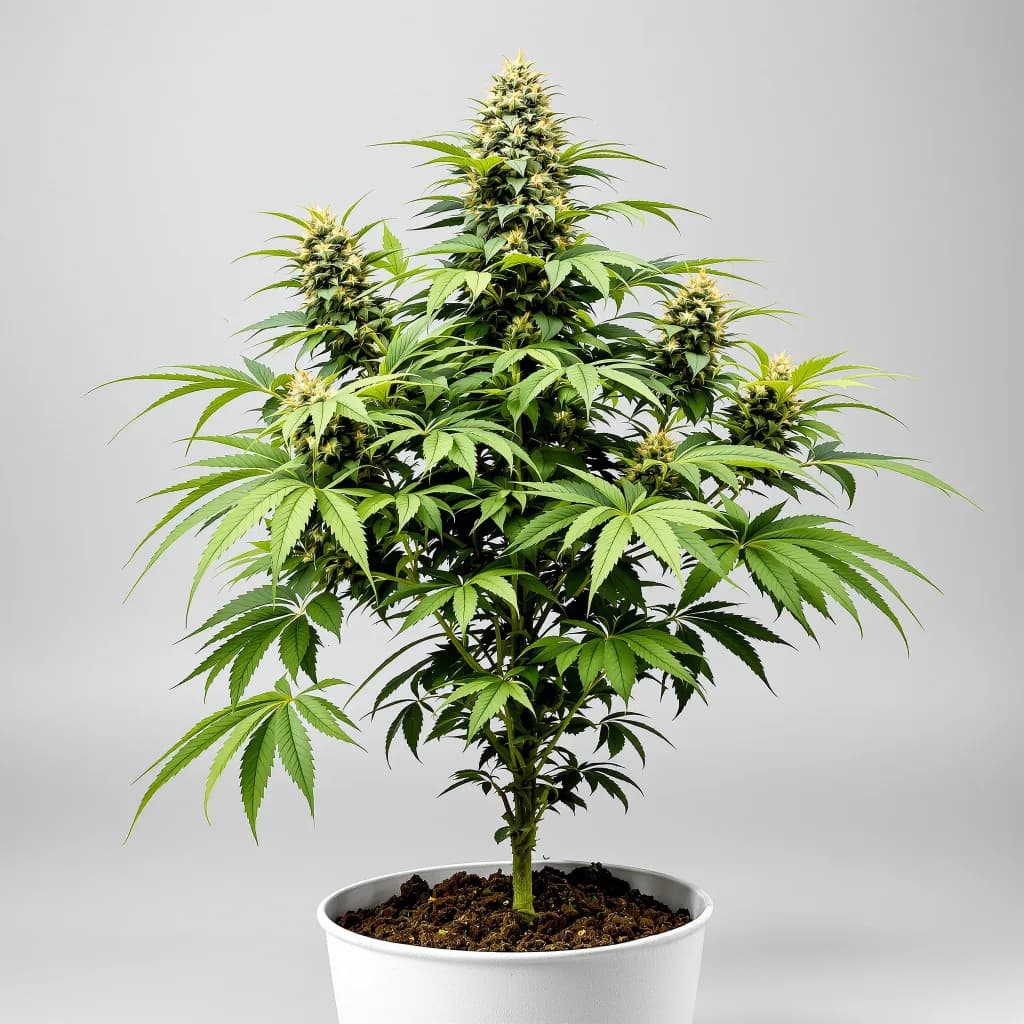
Pink Bubba Auto
Growing Pink Bubba Auto in New Zealand: a indica at 15% THC, focused, calm. Flowering window and height are on the page where we hold them, blank where we do not.
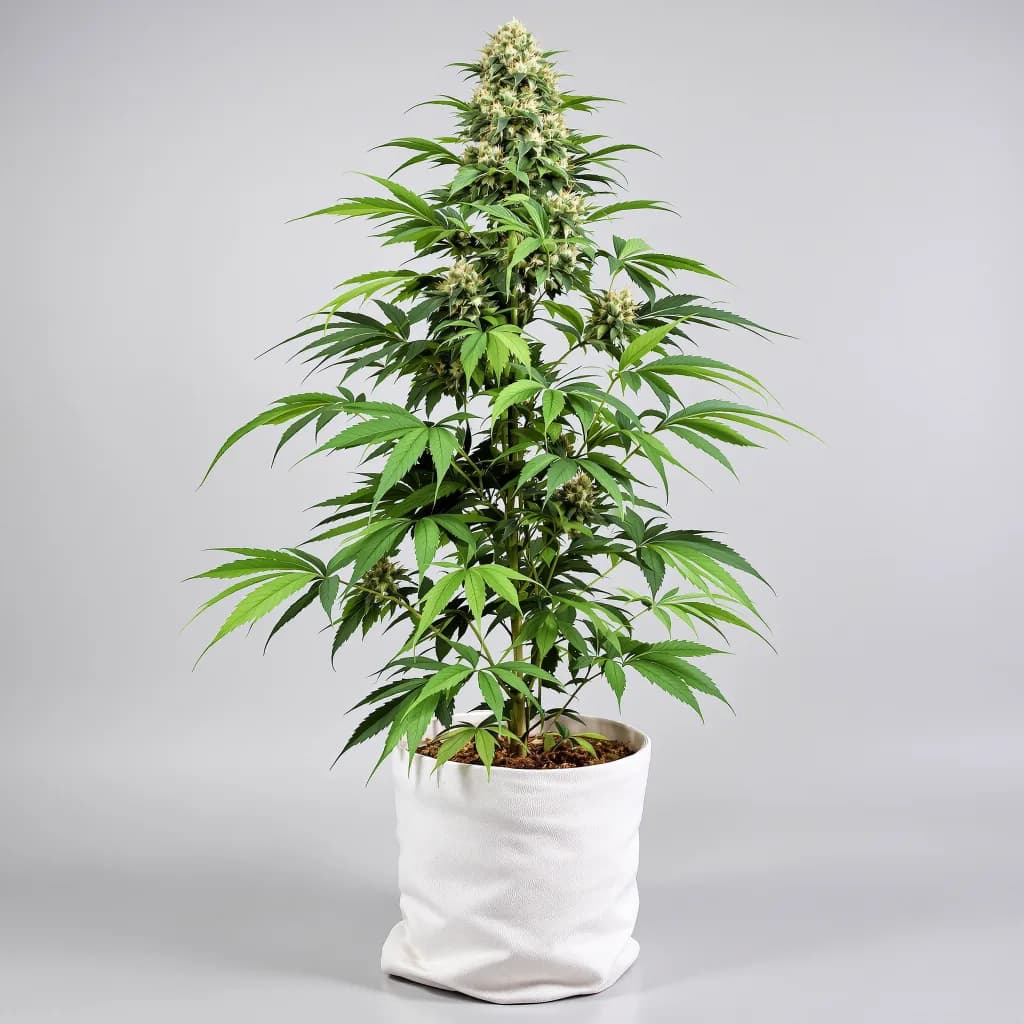
Alien Bubba Auto
Alien Bubba Auto for New Zealand growers. Indica, listed 18% THC, energetic, calm. Free postage over $150, flat $14.99 below it, both islands.
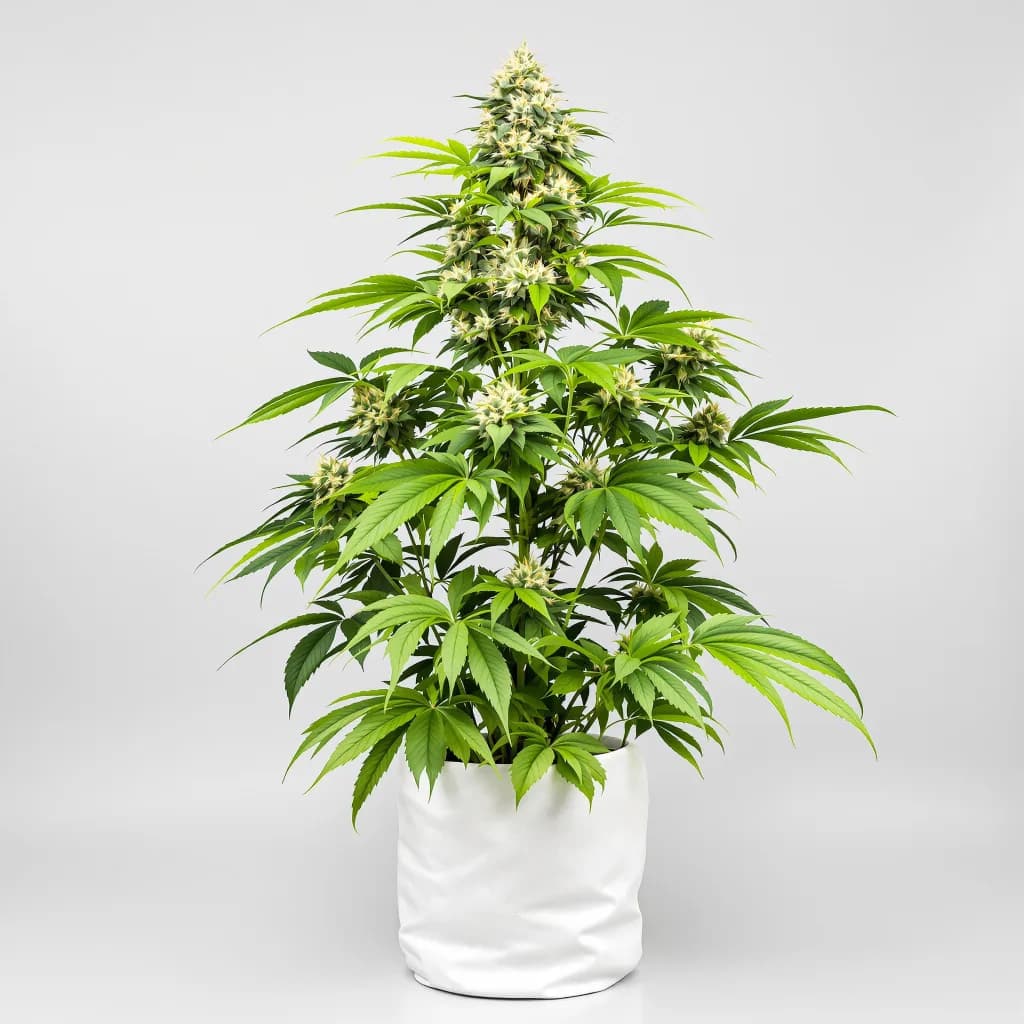
3X Crazy Auto
3X Crazy Auto for New Zealand growers. Indica, listed 21% THC, euphoric, focused, calm. Free postage over $150, flat $14.99 below it, both islands.
Where Deadwood Auto Comes From
Documented parentage is Bubba Kush × Sweet Pink Grapefruit. Where a cultivar's origin is recorded we name it on this page; where it is contested or simply unknown, the field stays empty rather than being filled with something plausible.
We did not originate the cultivars in this catalogue and do not claim to have. What we do is select and stabilise the lines we sell, so that a pack grows out more uniformly than an unworked one — which matters more in New Zealand than in most places, because an outdoor grower here is working to a frost date rather than an open-ended season. The stabilisation programme sets out how that works and what it does not cover.
Every pack is covered by our germination promise: follow the method in the germination guide and seed that fails to open is replaced free within 30 days.