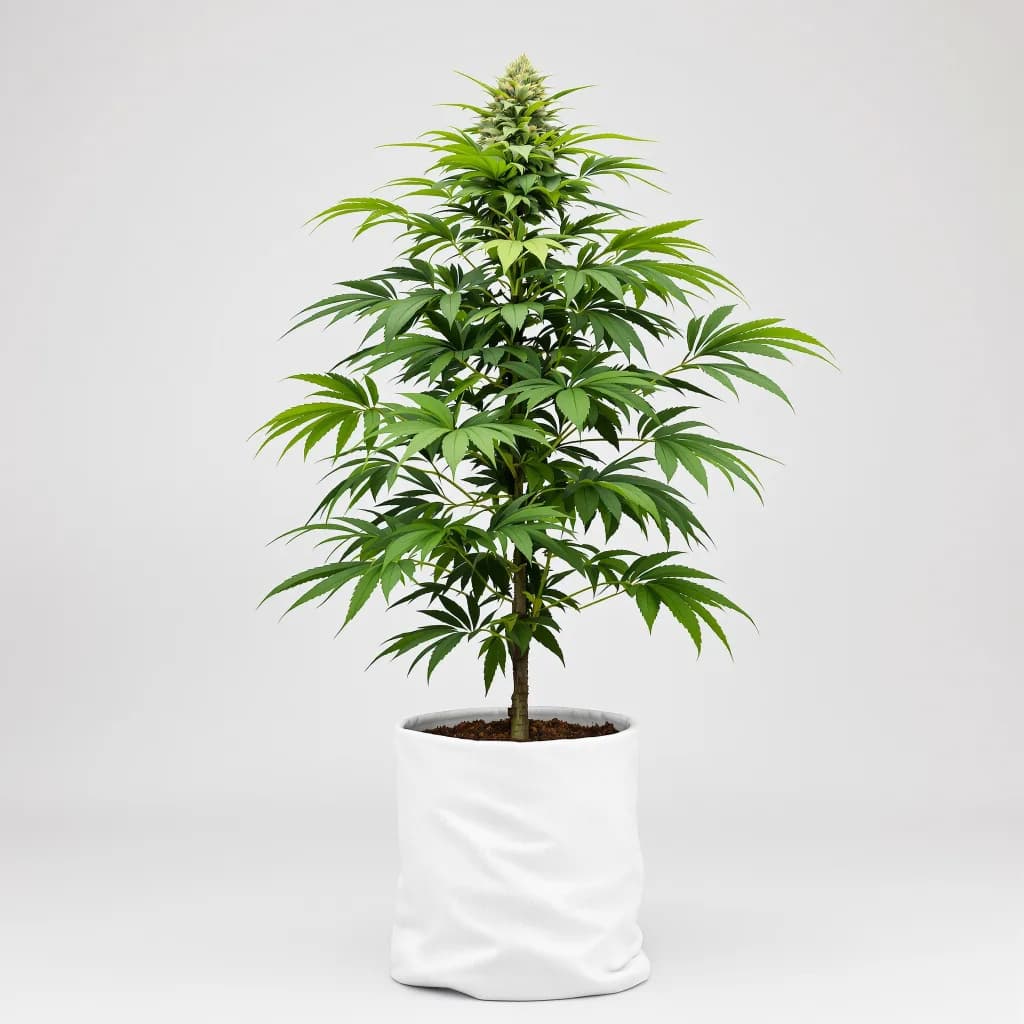
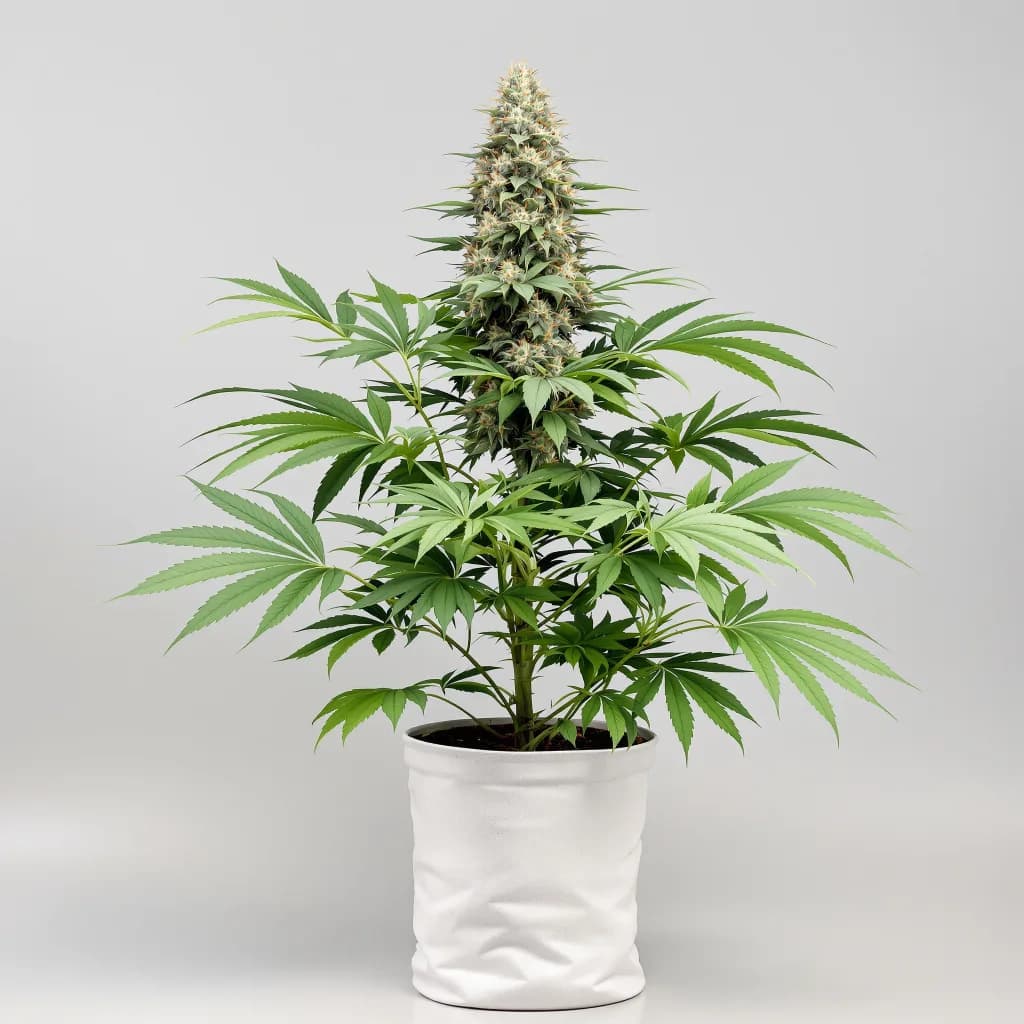
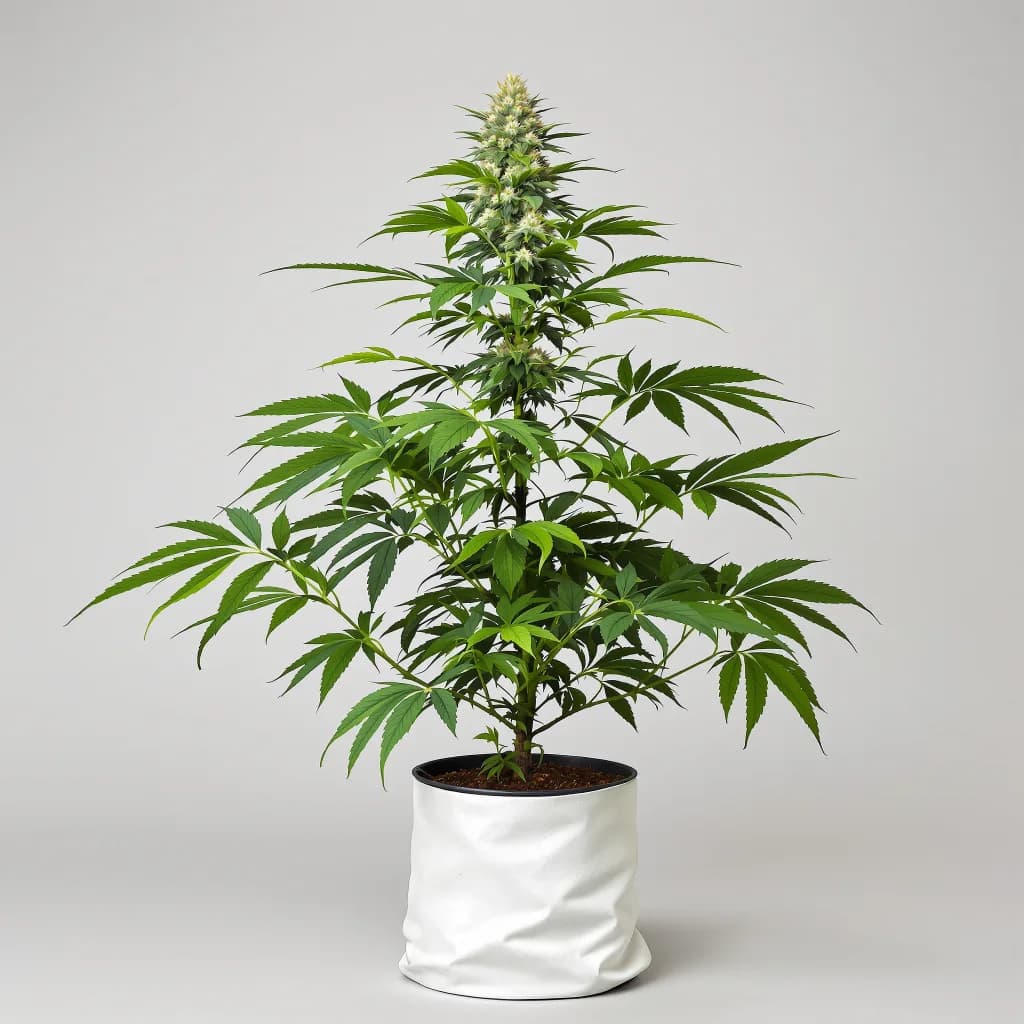
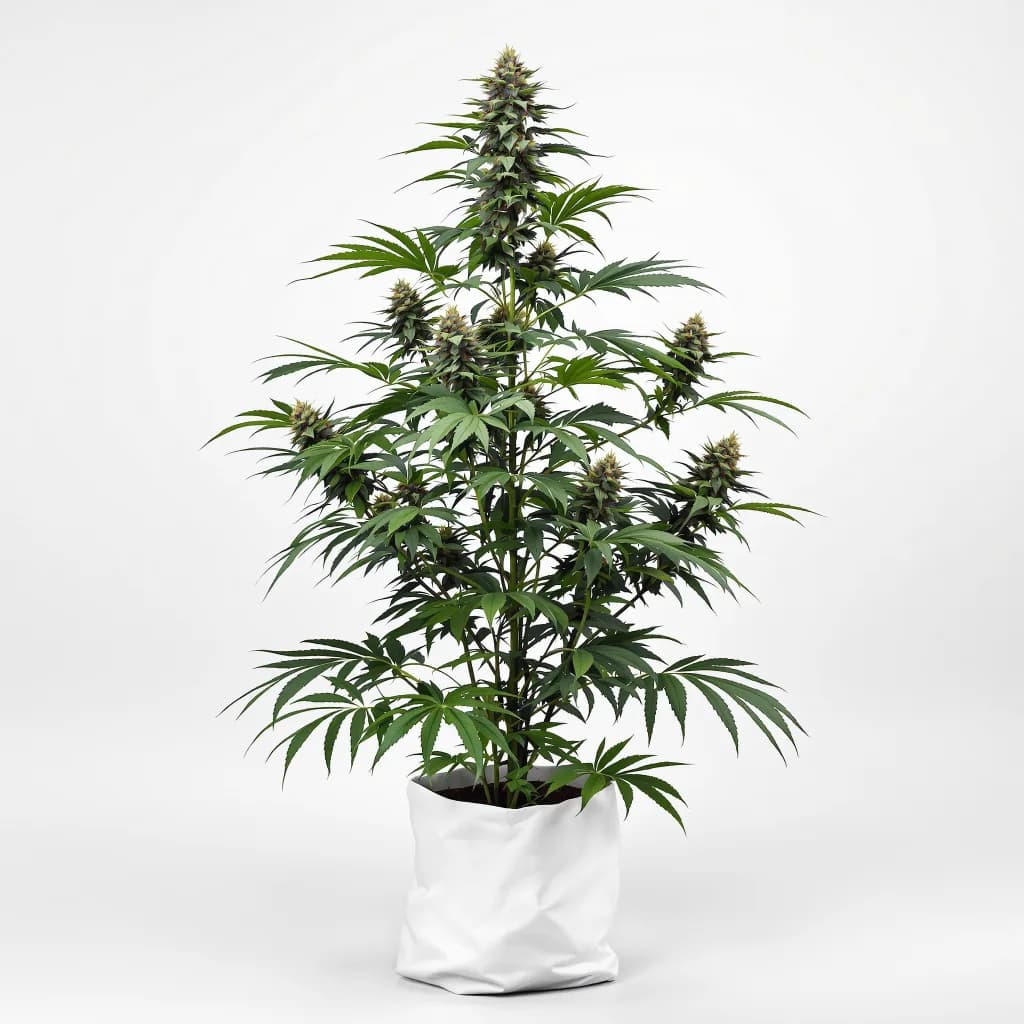
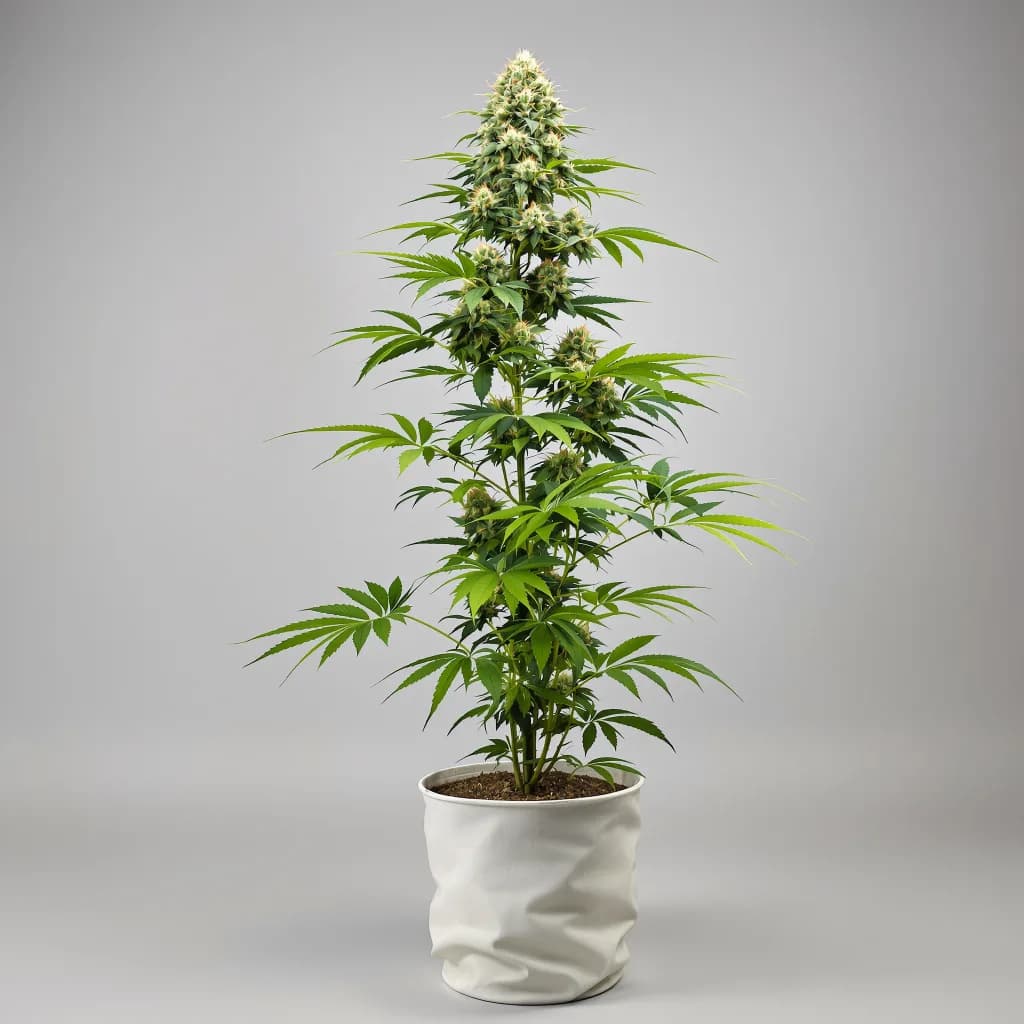
Autoflowering Seeds — 422 Day-Neutral Varieties for New Zealand Growers
All 422 of these run on age rather than daylight, which in New Zealand removes the single hardest decision an outdoor grower makes: when to plant so the finish lands before the weather turns. An autoflower started in November is done on its own schedule, whether it is sitting in Kaitaia or Invercargill. THC across the group averages around 20%. Sown in succession, they also give the one thing a photoperiod cannot — more than one harvest in a single season.
Also worth a look: autoflowering indicas for the shortest, bushiest plants, autoflowering sativas for a more energetic effect, autoflowering indicas if you want a short, fast plant that finishes on its own clock, and outdoor picks for genetics that handle a wet autumn.
422 strains available
What this shelf holds
422 varieties sit on this shelf right now, and the THC figures on their listings run from 5% up to 33%, with the middle of the group at 20%. Counted from the catalogue when this page was built, so it matches the grid below.
- Day-neutral: 422 (100%). These run on age, so the New Zealand daylight cycle is irrelevant to them.
- Indica-leaning: 209. Short and wide, quicker to finish, and usually myrcene-forward.
- Sativa-leaning: 49. Taller, later, and worth the season length only where you have it.
- Balanced crosses: 163. Somewhere between the two, and generally the easier grow for it.
- CBD-forward: 1. Bred for a different cannabinoid balance, with THC correspondingly lower.
- First three alphabetically: 24k Gold, 3 Kings and 3X Crazy. The grid below filters on finishing time, height and type.
Autoflowering Seeds — Browse All Strains
How These 422 Varieties Break Down
Of the 422 varieties here, 209 lean indica (50%), 49 lean sativa (12%), 163 sit as balanced hybrids (39%), 1 are CBD-forward. Every one is autoflowering, so none of them need a light-cycle change to bloom. The mean listed THC across the group is about 20%, which is a genetic ceiling rather than a guarantee — the figure a plant actually reaches depends on light, feeding and harvest timing. These counts are read from the catalogue when the page is built, so they move when stock moves and cannot drift away from what is listed below.
Matching These Genetics to a New Zealand Site
The distance from Cape Reinga to Bluff covers two genuinely different growing climates, and a plant that suits one can be caught out by the other. the Bay of Plenty gives you high sunshine hours alongside humid Marches that punish tight bud structure. Gisborne, by contrast, gives you first light in the country and dry summers, though the season narrows quickly after April. Because these finish on age rather than daylight, both regions are workable — the autoflower's advantage is that it does not care which one you are in. Plan around autumn moisture rather than temperature. Airflow through the middle of the plant, enough space between plants, and a variety that finishes before the weather closes in will save more of a crop than any feeding schedule.
Running Autoflowers Without Wasting the Cycle
An autoflower's clock starts at germination and does not pause, which changes the rules. Sow into the container the plant will finish in — every transplant check costs days you cannot get back, and there is no vegetative period to recover them in. Feed lightly early; a seedling under a full-strength schedule stunts, and a stunted autoflower stays small. Skip heavy training: topping an eight-week plant trades yield for stress it has no time to absorb, so low-stress tying is as far as it is worth going. Run 18 to 20 hours of light indoors from start to finish. Outdoors in New Zealand, sowing in staggered batches from late October through December turns one season into two or three separate harvests. Across the 422 varieties here, that cycle is the common factor — nothing in this category needs a timer change to bloom.
Frequently Asked Questions
What is in the Autoflowering Seeds category?
How long do these take from seed to harvest?
Can I top or train an autoflower?
Are prices in New Zealand dollars?
Ordering These
Prices are in New Zealand dollars with GST included and no card surcharge. Orders over $150 NZD ship free, everything goes out in plain unbranded packaging with NZ Post tracking, and we ship to New Zealand addresses only.
Nearby Shelves
Still narrowing it down?
Six questions will cut this list to a handful, or the calculator will tell you what the space can carry.