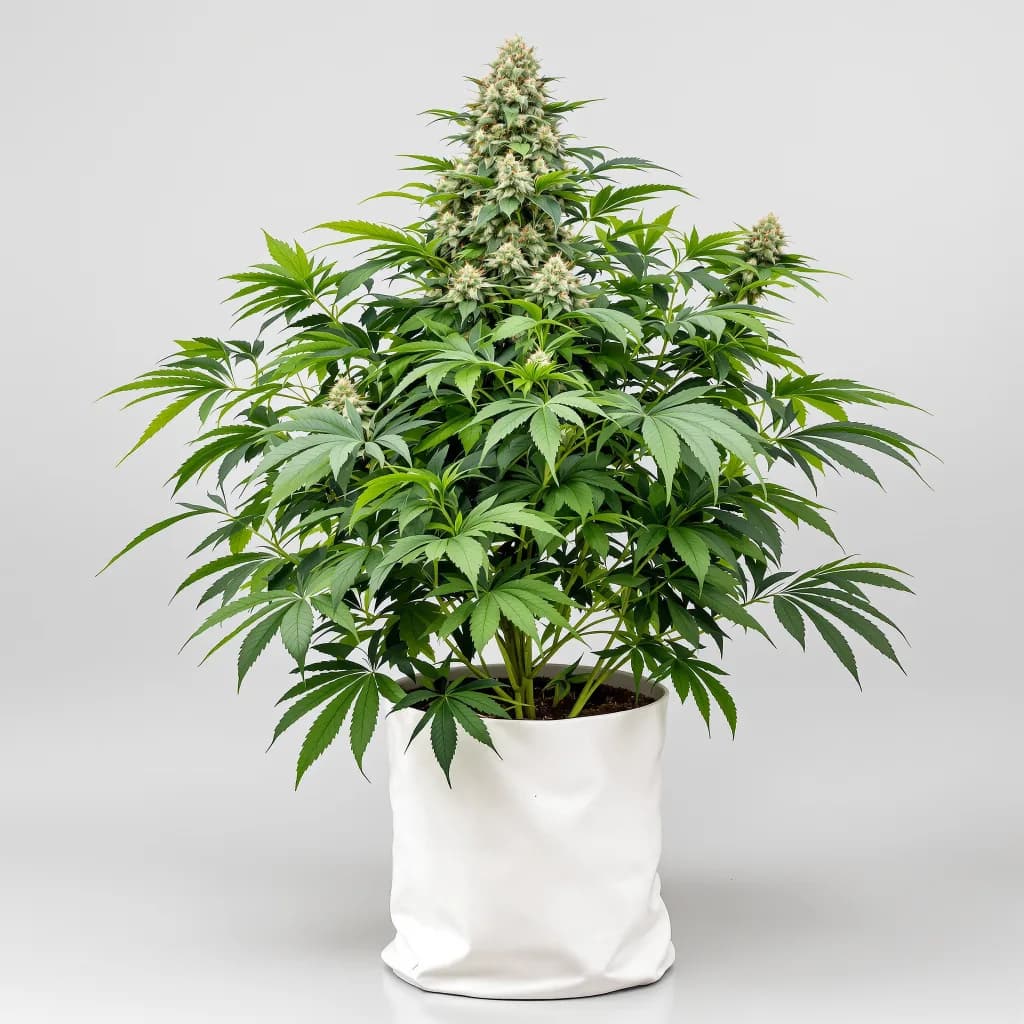
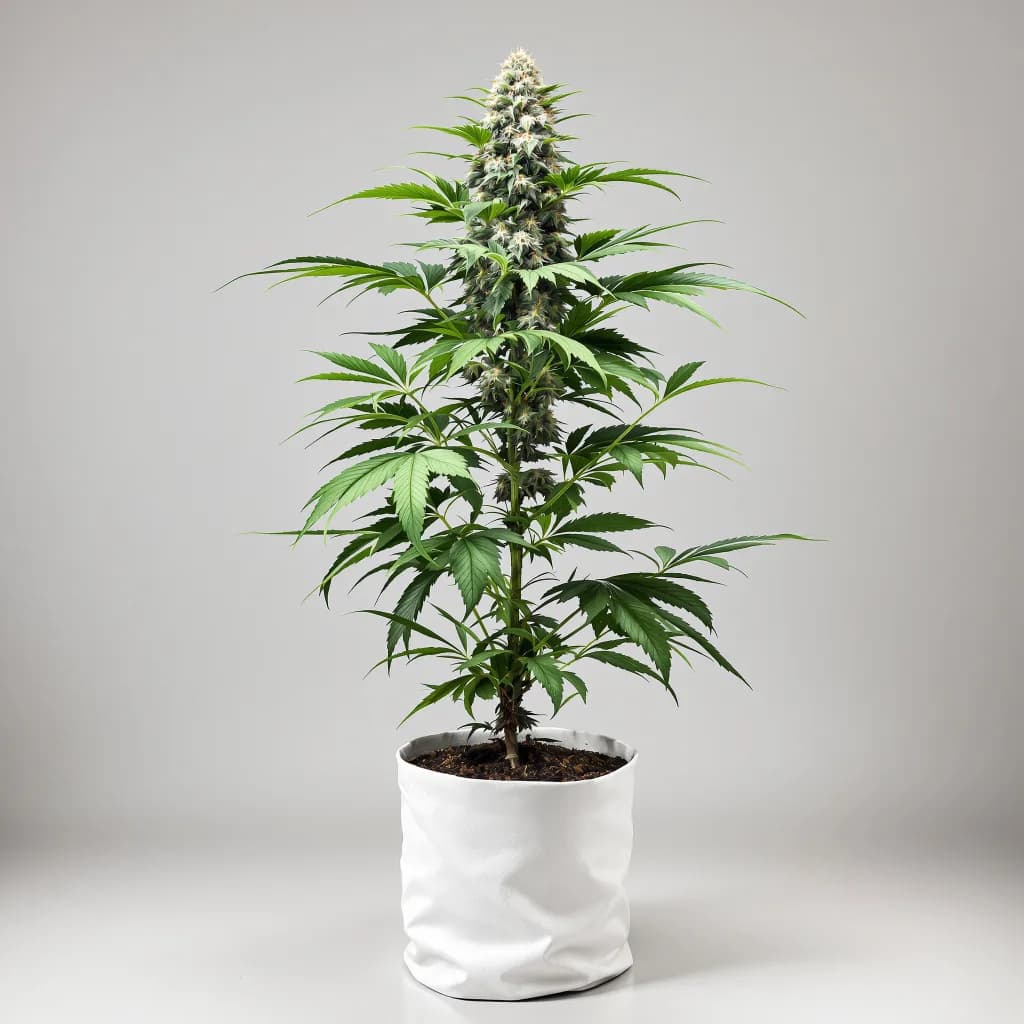
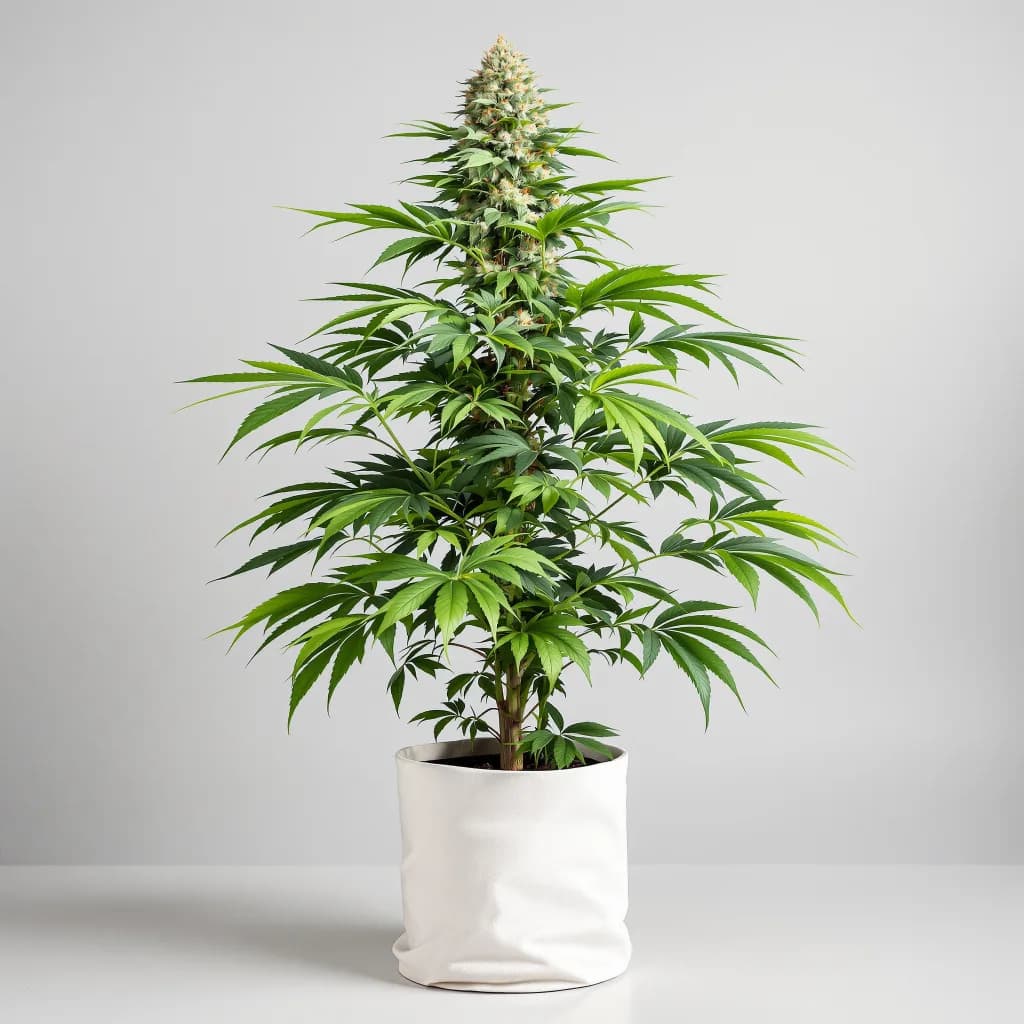
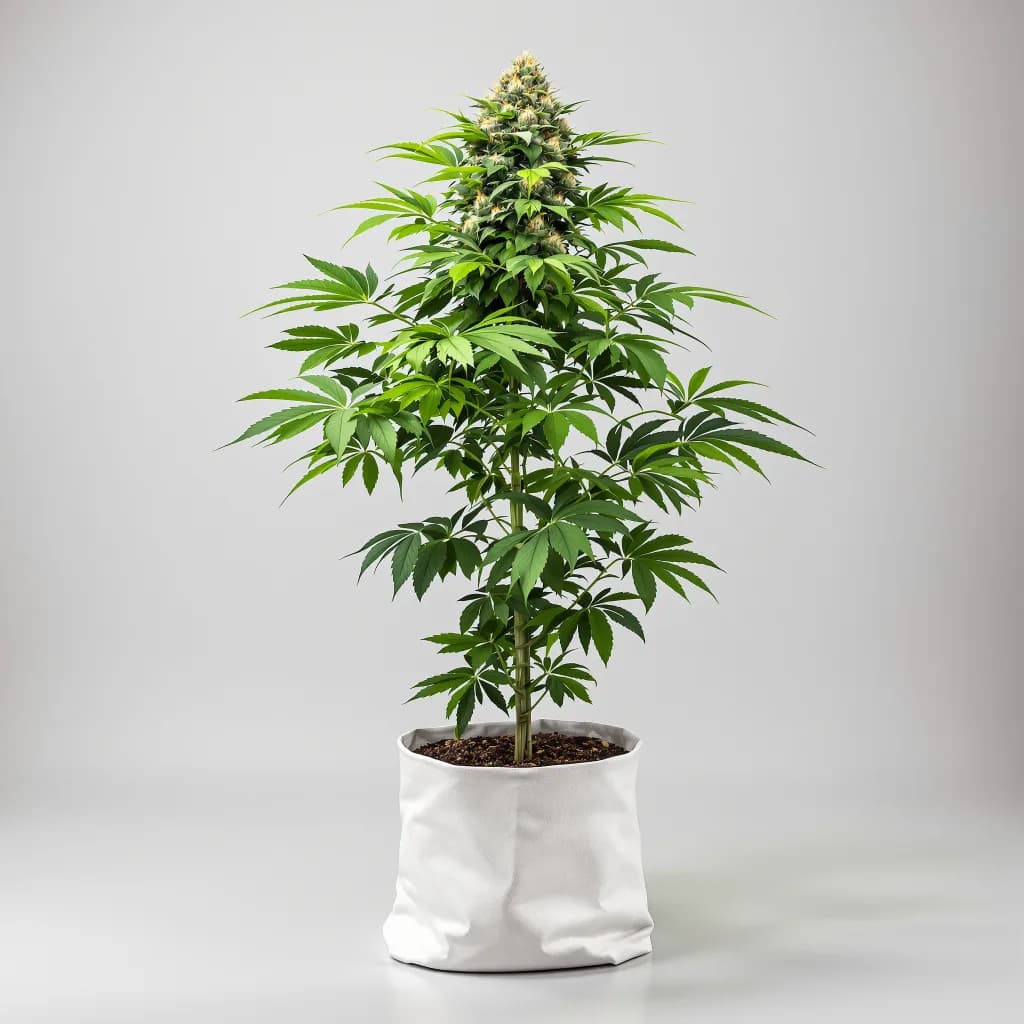
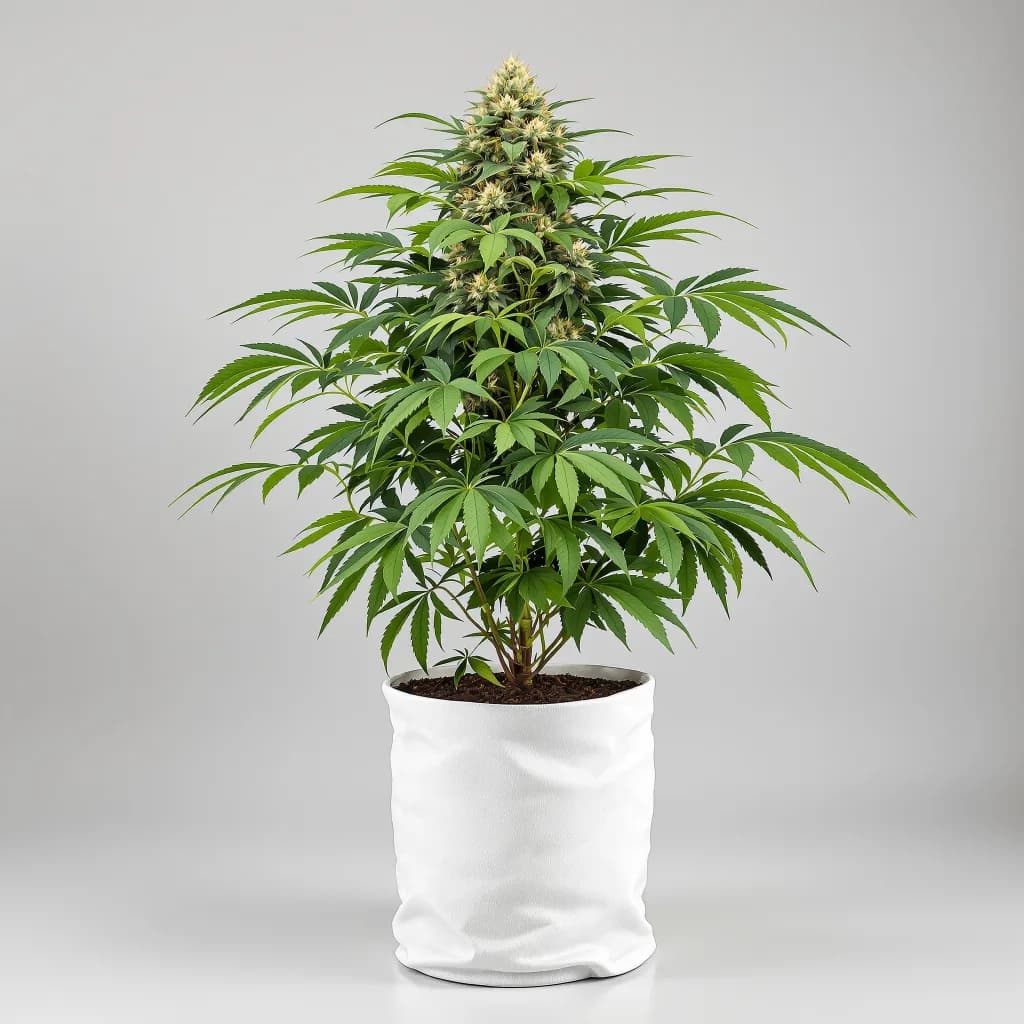
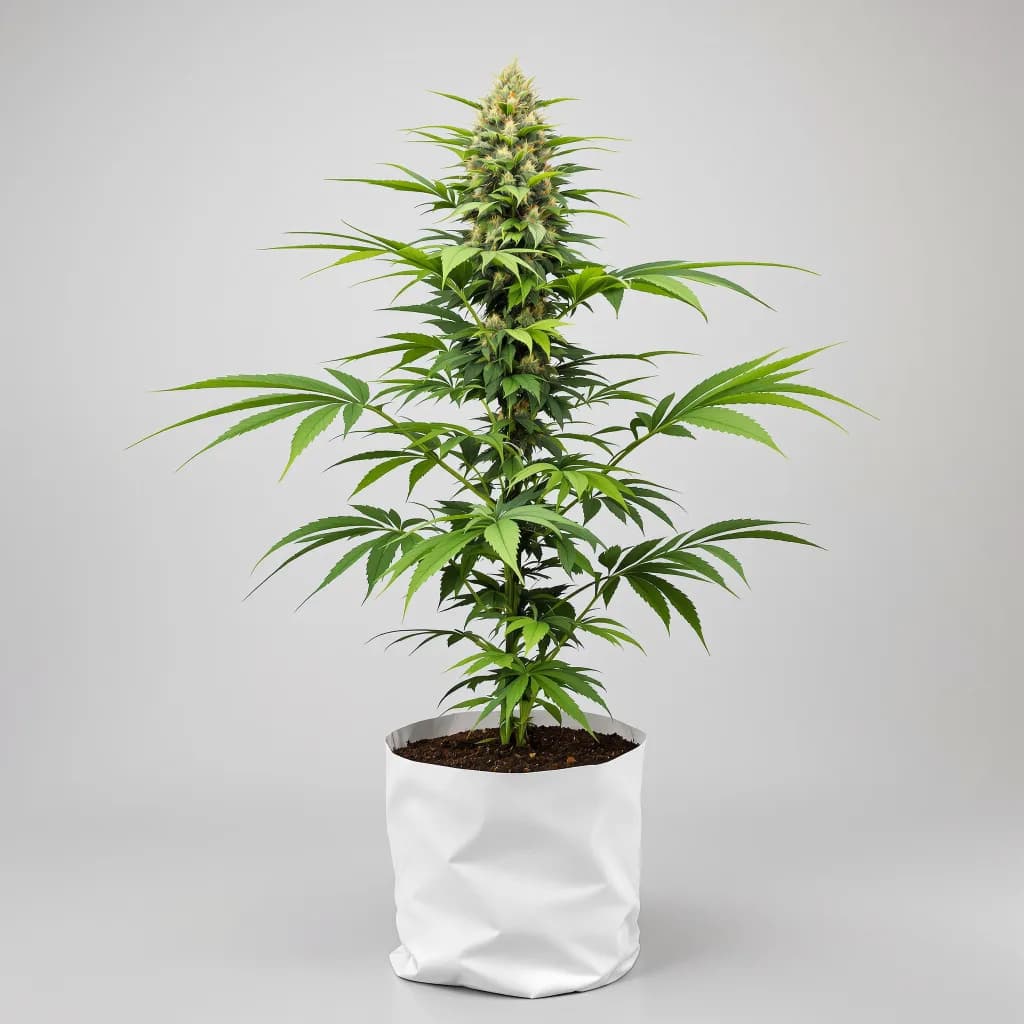
Buy Auto-Flowering Indicas in New Zealand — 209 Fast-Cycling Genetics
209 varieties that flower on a clock you cannot adjust. That is the trade: you give up the ability to hold a plant in growth and get back a ten to twelve week cycle that ignores latitude entirely, which is worth more in Southland than it is in Whangarei. The first fortnight decides most of the outcome, because there is no vegetative stage to make up a bad start in. Listed THC averages about 19% across the group.
Also worth a look: all autoflowering seeds across every strain type, indica seeds including photoperiod indicas, and outdoor strains where a short season is the constraint.
209 strains available
What this shelf holds
209 varieties sit on this shelf right now, and the THC figures on their listings run from 5% up to 30%, with the middle of the group at 20%. Counted from the catalogue when this page was built, so it matches the grid below.
- Day-neutral: 209 (100%). These run on age, so the New Zealand daylight cycle is irrelevant to them.
- Indica-leaning: 209. Short and wide, quicker to finish, and usually myrcene-forward.
- First three alphabetically: 3X Crazy, 5th Element and 9 Pound Hammer. The grid below filters on finishing time, height and type.
Auto-Flowering Indicas — Browse All Strains
How These 209 Varieties Break Down
Of the 209 varieties here, 209 lean indica (100%). Every one is autoflowering, so none of them need a light-cycle change to bloom. The mean listed THC across the group is about 19%, which is a genetic ceiling rather than a guarantee — the figure a plant actually reaches depends on light, feeding and harvest timing. These counts are read from the catalogue when the page is built, so they move when stock moves and cannot drift away from what is listed below.
Region Makes More Difference Than Strain Choice
Thirteen degrees of latitude separate the top of the country from the bottom, which is why a single national growing calendar is close to useless here. Auckland gives you mild winters and a long season, usually grown on small urban sections where plant height is the limit. the Waikato, by contrast, gives you heavy autumn dews and morning fog that sit in dense flower long after sunrise. Because these finish on age rather than daylight, both regions are workable — the autoflower's advantage is that it does not care which one you are in. What actually costs people a crop here is a damp March rather than a cold one: moisture sitting in packed flower is where rot starts, and spacing plants properly is a cheaper fix than anything you can spray on afterwards.
Where the Time Goes in an Autoflower Grow
The whole life of these plants is roughly ten to twelve weeks, and the first three decide the other nine. A seedling that sits in a soggy pot, gets overfed, or has its roots disturbed by a transplant loses days it will never make up, because there is no vegetative stage to stretch. Start in the final container, keep the medium damp rather than wet, feed at quarter strength until the second set of true leaves, and leave the plant alone. From week four onwards it is largely a matter of light, water and patience. Growers who struggle with autoflowers almost always intervened too much, too early. Across the 209 varieties here, that cycle is the common factor — nothing in this category needs a timer change to bloom.
Frequently Asked Questions
What is in the Auto-Flowering Indicas category?
What pot size suits an autoflower?
Why did my autoflower stay small?
What does delivery cost and how long does it take?
Ordering These
Prices are in New Zealand dollars with GST included and no card surcharge. Orders over $150 NZD ship free, everything goes out in plain unbranded packaging with NZ Post tracking, and we ship to New Zealand addresses only.
Nearby Shelves
Still narrowing it down?
Six questions will cut this list to a handful, or the calculator will tell you what the space can carry.