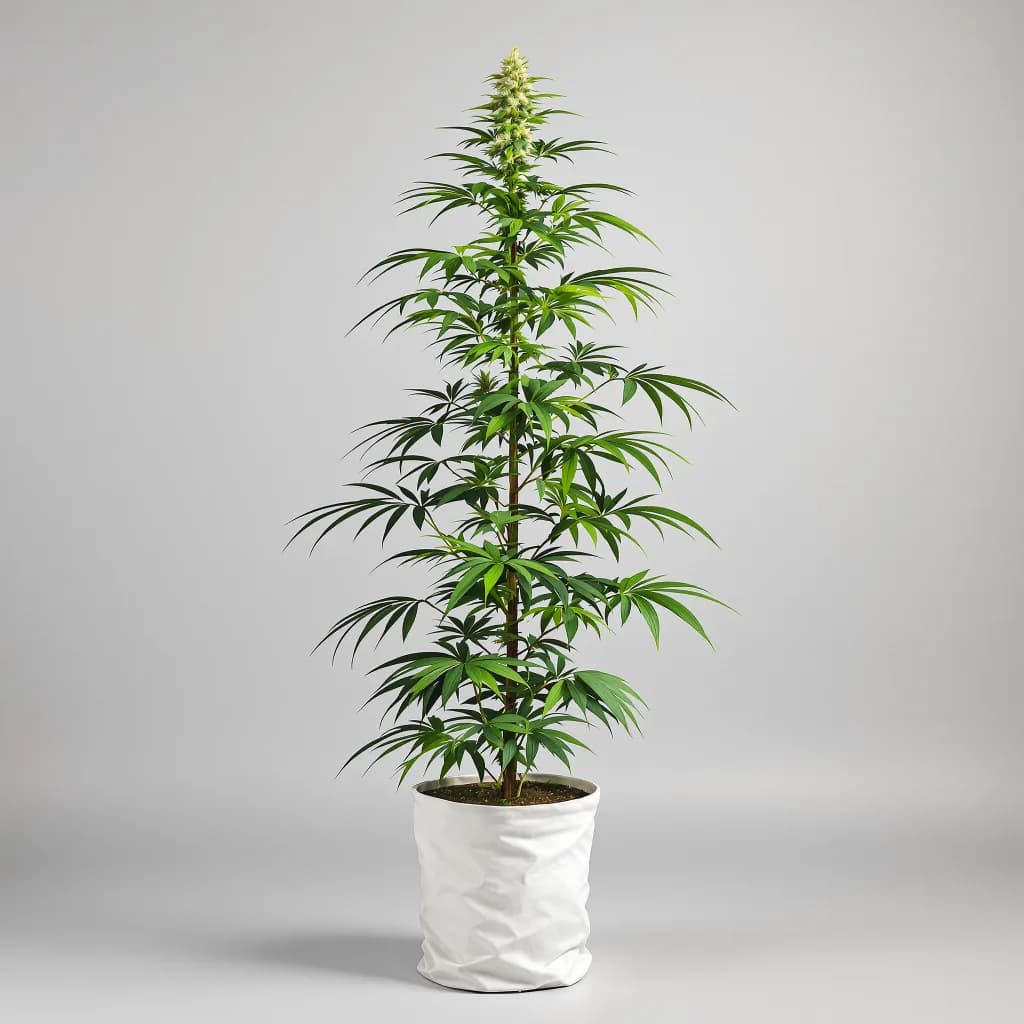
Kilimanjaro Feminised
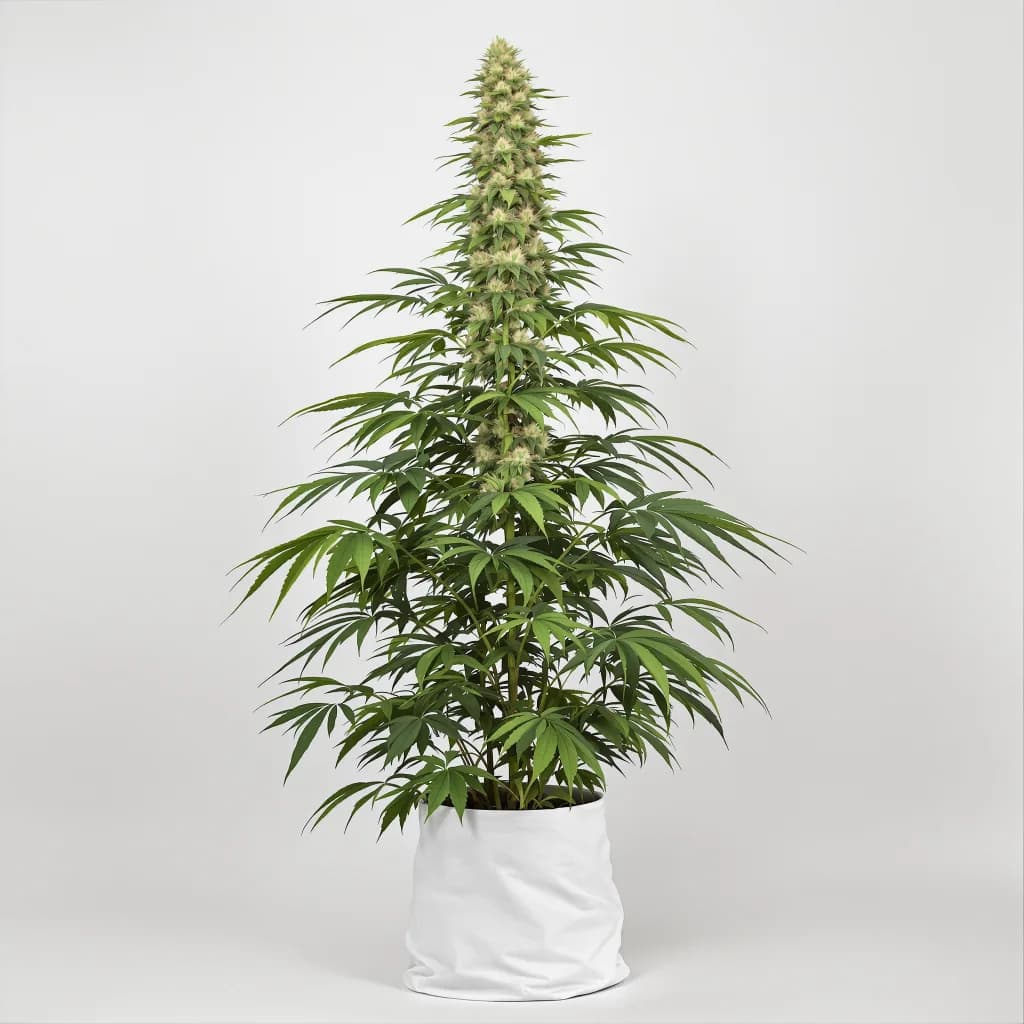
Kilimanjaro Feminised — sativa, 18% THC on the listing, energetic, happy, uplifted. Sent in plain packaging with NZ Post tracking and covered by our germination promise.
What the seed lot did on the bench
Every lot is checked before it goes on the shelf, and the yield figures come from New Zealand growers who sent us a harvest weight against a batch code. This lot was read on 2026-09-17, from a tray sample of 460.
Outdoor figures come from a New Zealand season, so they run below what the same cultivar reaches somewhere with a longer, drier autumn. Treat them as what this plant does here. The full report for this lot sets out the method and the terpene panel.
About Kilimanjaro Feminised
Will Kilimanjaro finish outdoors in New Zealand? In most of the country, yes. The outdoor window runs October to April, and a photoperiod finishes as the autumn light shortens, so the question is whether your first frost arrives before it does. Sativa-leaning plants want the longer northern season, so the honest answer depends on where you are. The regional notes below are the short version.
Questions New Zealand Growers Ask About Kilimanjaro
What medium suits it? Living soil rewards flavour, coco rewards control and speed. Neither is wrong. Choose the one you will actually maintain.
How much light? More in veg than growers expect, less in late flower than they think. Twelve hours of uninterrupted dark triggers flowering — and uninterrupted means exactly that.
When is it ready? Trichome colour, not the calendar. The published window is 65 to 75 days, which is a reasonable figure to plan around, but the plant decides.
Is it beginner-friendly? It is rated easy. That means it tolerates the mistakes everyone makes in their first season.
Where do I put it? Indoors it is predictable; the indoor-friendly genetics list covers what performs in a tent. Outdoors, see the regional notes above — or the outdoor-season range if the season is your constraint.
How does it arrive? Plain, unbranded packaging with tracking — the detail is on the shipping page.
Effect Profile
Energetic, Happy, Uplifted is the consensus, and consensus is worth exactly what it sounds like — a starting point. 18% THC sets the scale; limonene and the terpenes alongside it shape the character rather than the strength.
Onset is quick by inhalation and slow by ingestion, which is where most bad experiences begin. Expect a mental lift first, with the body catching up later.
If potency is what you are shopping for, the high-THC seeds category is sorted for it.
The Terpenes
Limonene leads, pinene sits behind it, and terpinolene runs underneath.
Aroma is not fixed at harvest — it develops. Fresh flower leads hard with limonene; three or four weeks in sealed glass at a stable 16 to 18 degrees lets pinene and terpinolene come forward as the sharper volatiles clear. Jars opened at week one and week five smell like different plants.
Who It Suits
Who does well with Kilimanjaro? Growers who want to control plant size and harvest date, and have the vegetative space to use that control. First-timers included — the genetics are forgiving.
Still deciding? The indoor-friendly genetics list is the narrower place to start.
Published Figures
- Finishes in 65 to 75 days
- Under lights: 400 g/m2
- Grown out: more than 800 g/plant
- Height: Short
- Difficulty: easy
Reported Effects
Descriptive, and ordered by how prominently each one appears in the sources we hold. Not a survey, and not a measurement.
Best For
Where It Sits
The Numbers
How it arrives
Feminised Premium
Seeds
authenticity
lining
number
Related Strains
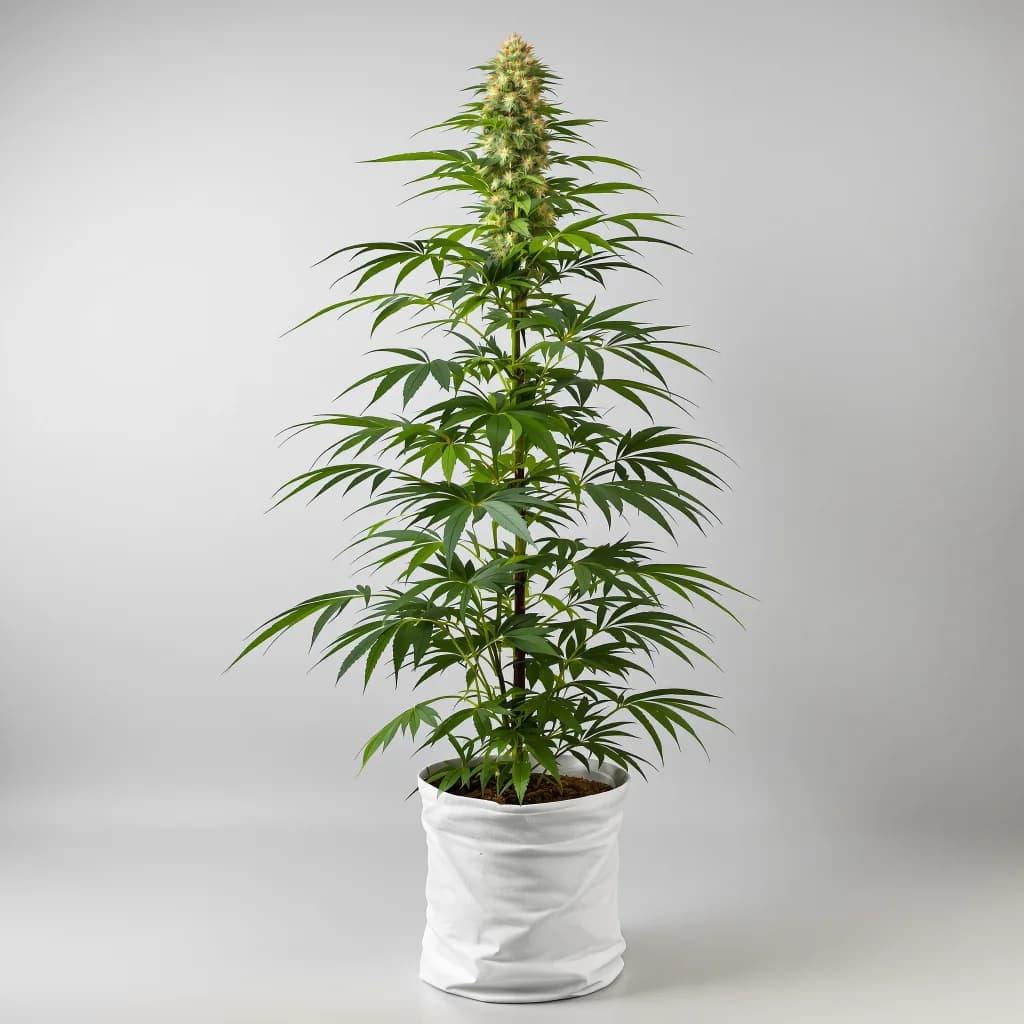
Durban Poison Feminised
Durban Poison Feminised, a sativa listed at 17% THC and described as energetic, happy, uplifted. Posted unbranded and tracked to any New Zealand address, with the grow figures we could trace on the listing.
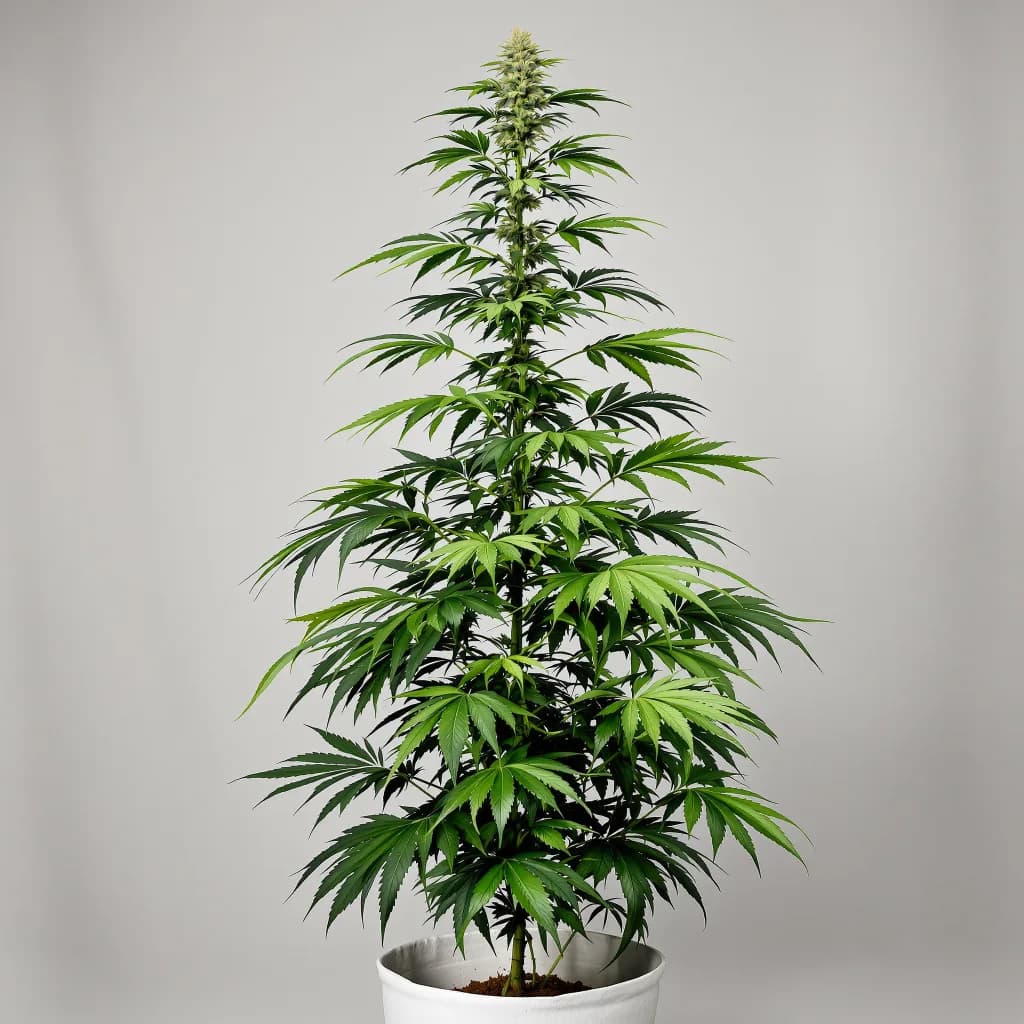
Grapefruit Feminised
Grapefruit Feminised for New Zealand growers. Sativa, listed 21% THC, energetic, happy, uplifted. Free postage over $150, flat $14.99 below it, both islands.
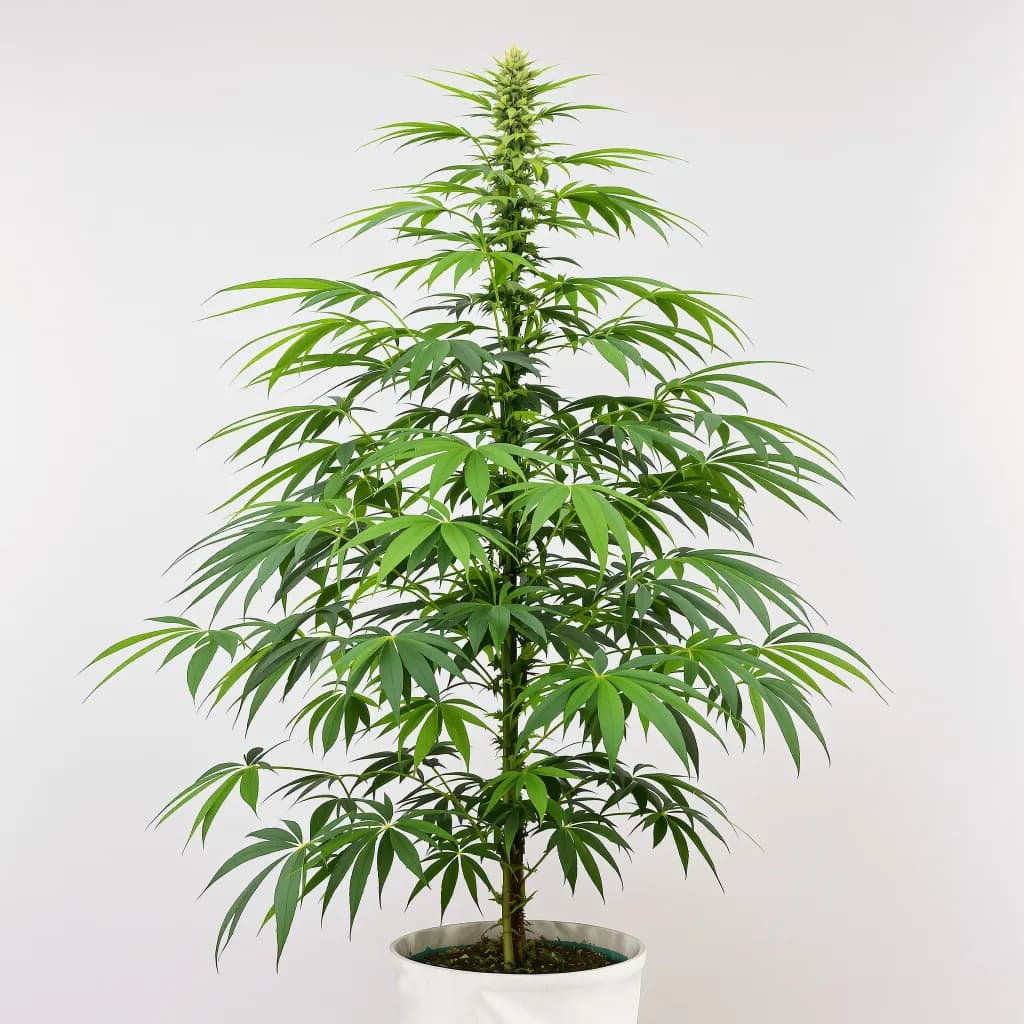
Pineapple Haze Feminised
Pineapple Haze Feminised for New Zealand growers. Sativa, listed 19% THC, energetic, happy, uplifted. Free postage over $150, flat $14.99 below it, both islands.
Alpha Blue Feminised
Alpha Blue Feminised for New Zealand growers. Sativa, listed 20% THC, happy, energetic, creative. Free postage over $150, flat $14.99 below it, both islands.
Where Kilimanjaro Feminised Comes From
We hold no documented parentage for this cultivar, so none is shown. A blank here is an admission rather than an oversight — we would rather leave it empty than publish a lineage we cannot stand behind.
We did not originate the cultivars in this catalogue and do not claim to have. What we do is select and stabilise the lines we sell, so that a pack grows out more uniformly than an unworked one — which matters more in New Zealand than in most places, because an outdoor grower here is working to a frost date rather than an open-ended season. The stabilisation programme sets out how that works and what it does not cover.
Every pack is covered by our germination promise: follow the method in the germination guide and seed that fails to open is replaced free within 30 days.