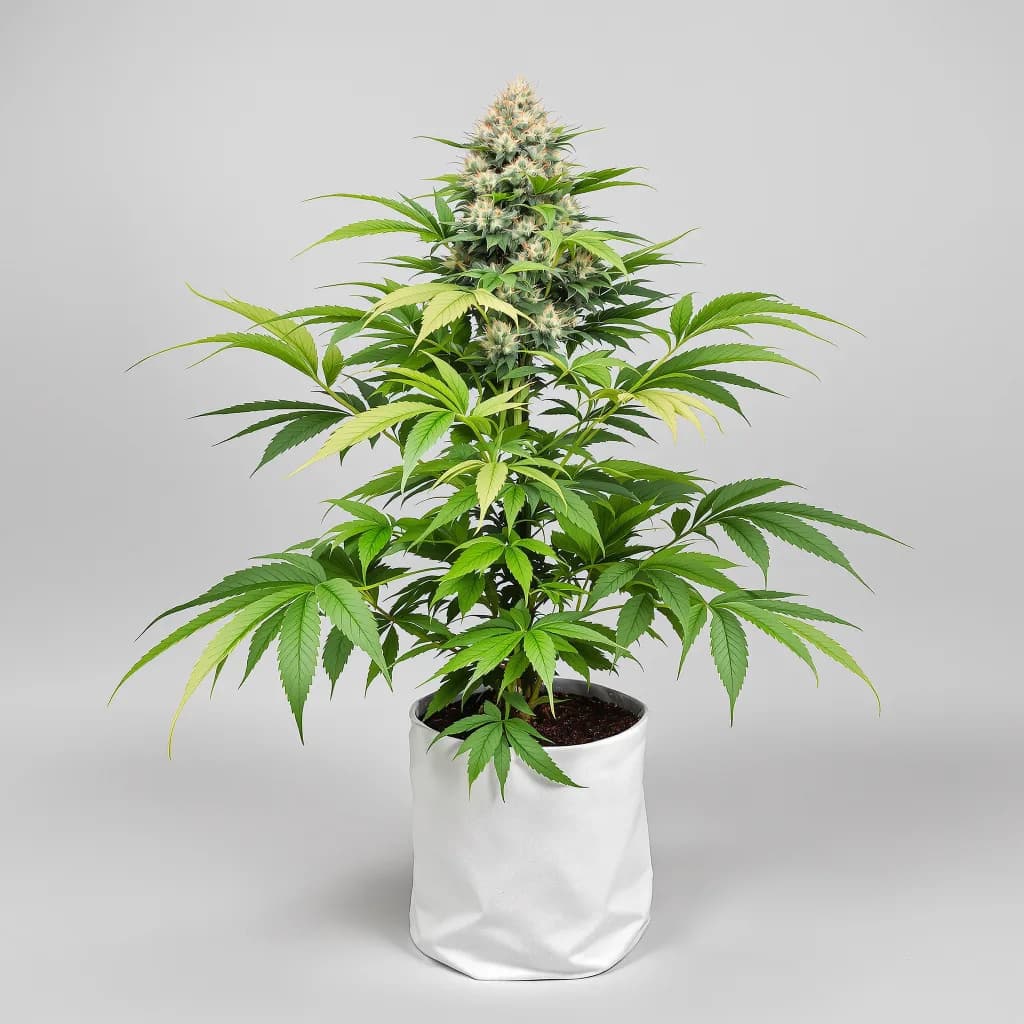
Raisinberry Feminised
Raisinberry Feminised, a indica listed at 18% THC and described as focused, calm. Posted unbranded and tracked to any New Zealand address, with the grow figures we could trace on the listing.
What the seed lot did on the bench
Every lot is checked before it goes on the shelf, and the yield figures come from New Zealand growers who sent us a harvest weight against a batch code. This lot was read on 2026-09-03, from a tray sample of 240.
Outdoor figures come from a New Zealand season, so they run below what the same cultivar reaches somewhere with a longer, drier autumn. Treat them as what this plant does here. The full report for this lot sets out the method and the terpene panel.
About Raisinberry Feminised
Crack a properly cured jar of Raisinberry and linalool arrives first — that is the compound doing most of the aromatic work here, carried by myrcene and rounded off with caryophyllene. Terpene expression is not fixed at the genetic level; it is something you either preserve or destroy in the last fortnight and the dry. This page is about keeping it.
Protecting the Linalool in Raisinberry
Terpenes are volatile. That single fact explains almost every flavour disappointment growers report.
Late flower. Heat drives off the lighter aromatic compounds, so the last fortnight wants cooler nights rather than a push for size. Growers chasing the final few grams routinely trade away the thing that made the strain worth growing.
The dry. This is where most of the loss happens. Slow and cool, over a couple of weeks, in the dark, with air moving but never blowing on the flower. Fast drying strips linalool first, and it does not come back.
The cure. Sealed glass, opened daily at first, held somewhere stable. Myrcene and Caryophyllene tend to surface over the following month as the harsher volatiles clear.
Everything above matters more than any bottled additive claiming to boost flavour. If aroma is your priority, the indica seeds range is where to browse the rest.
What Raisinberry Is Like
Reported effects cluster around focused, calm. At 18% THC that is a meaningful figure rather than a decorative one, and the sensible approach with anything in this range is to start lower than you think and wait longer than feels necessary.
The 87/13 balance shapes where it lands: body-forward, better suited to an evening than a task list. Tolerance moves this more than any other variable, which is why two people describe the same jar differently.
Prefer something gentler? The CBD-forward strains range trades peak potency for balance.
The Terpenes
Linalool leads, myrcene sits behind it, and caryophyllene runs underneath.
Aroma is not fixed at harvest — it develops. Fresh flower leads hard with linalool; three or four weeks in sealed glass at a stable 16 to 18 degrees lets myrcene and caryophyllene come forward as the sharper volatiles clear. Jars opened at week one and week five smell like different plants.
Who It Suits
Raisinberry is rated intermediate. That sits in the middle — you want a working understanding of pH and feeding, but nothing exotic. Being a photoperiod means you decide when it flowers, and therefore how big it gets.
Shipped nationwide in plain packaging. Every strain page carries whatever grow data we could actually source, and nothing we could not.
Published Figures
- Finishes in 7–9 weeks
- Under lights: 275–525 g/m²
- Grown out: 400–600 g/plant
- Height: 160–200 cm
- Difficulty: intermediate
Reported Effects
Descriptive, and ordered by how prominently each one appears in the sources we hold. Not a survey, and not a measurement.
Best For
Where It Sits
The Numbers
How it arrives
Feminised Premium
Seeds
authenticity
lining
number
Related Strains
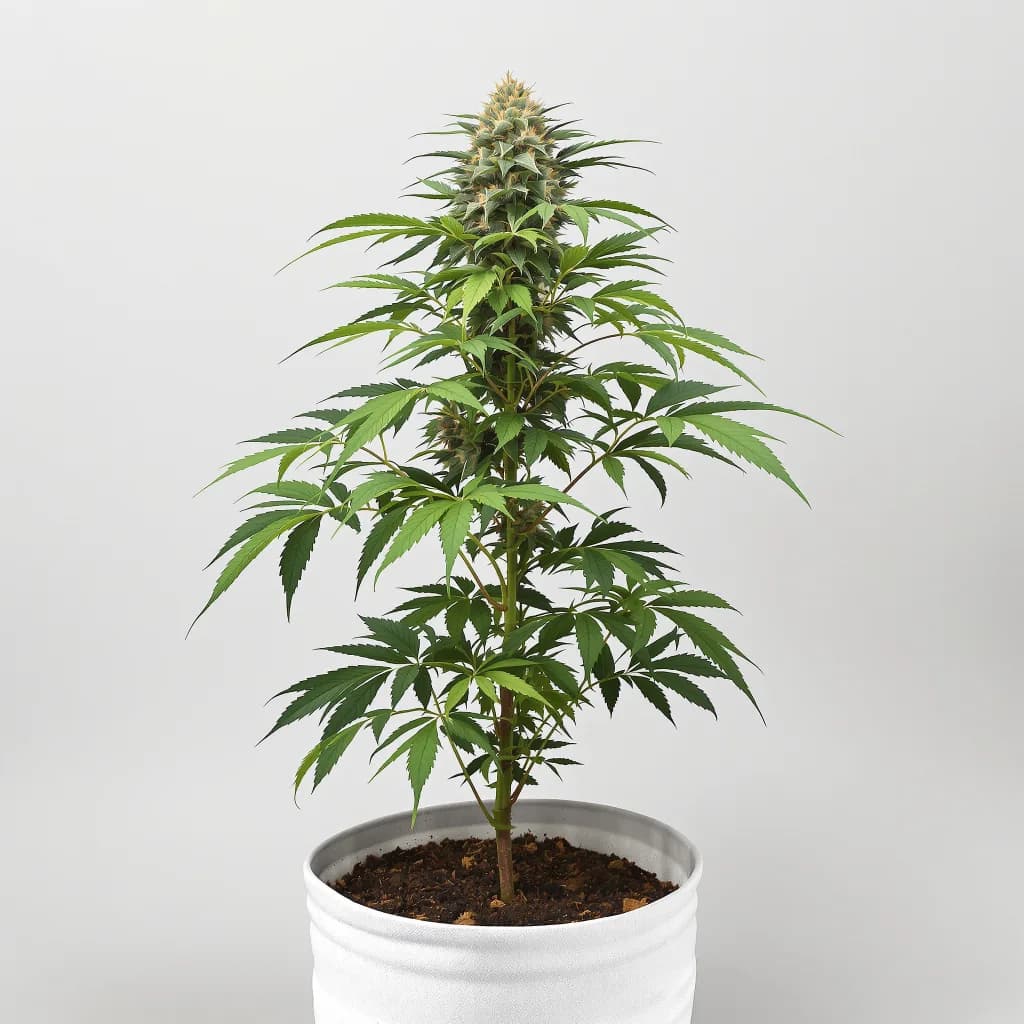
3X Crazy Feminised
Indica genetics for a New Zealand grow. 3X Crazy Feminised carries a listed 21% THC and reads euphoric, focused, calm. Priced in NZD, GST included, delivered nationwide.
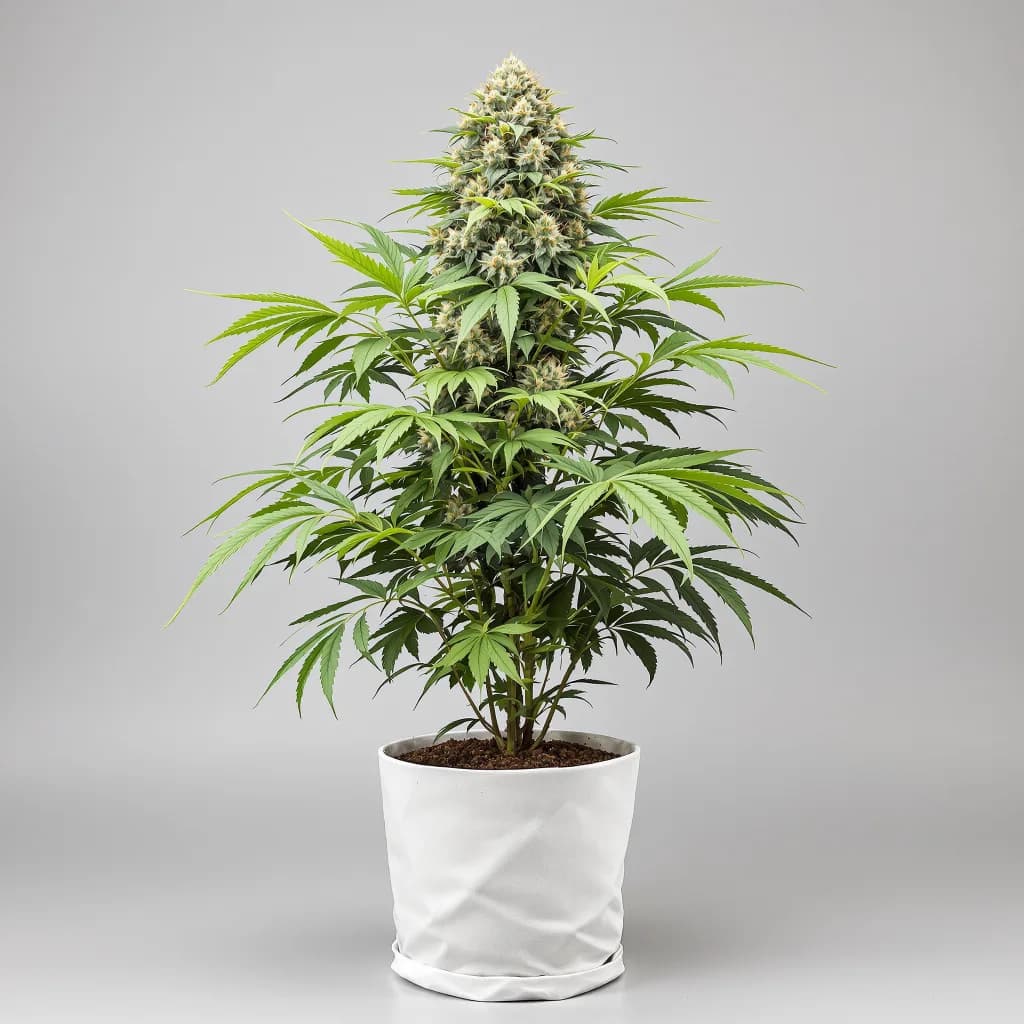
Afghan Feminised
Afghan Feminised, a indica listed at 18% THC and described as focused, energetic, calm. Posted unbranded and tracked to any New Zealand address, with the grow figures we could trace on the listing.

Afghani Feminised
Afghani Feminised for New Zealand growers. Indica, listed 21% THC, focused, calm. Free postage over $150, flat $14.99 below it, both islands.
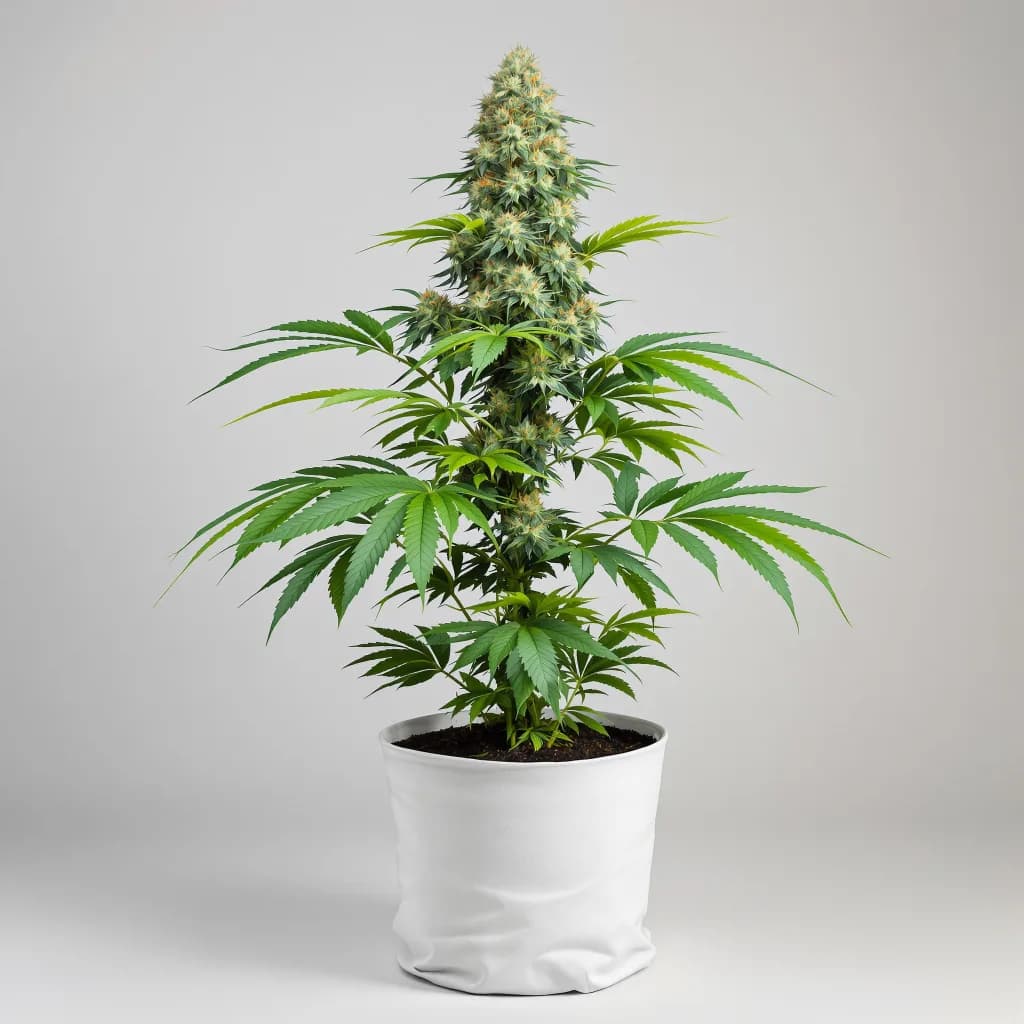
Alien Dawg Feminised
Indica genetics for a New Zealand grow. Alien Dawg Feminised carries a listed 20% THC and reads focused, calm. Priced in NZD, GST included, delivered nationwide.
Where Raisinberry Feminised Comes From
We hold no documented parentage for this cultivar, so none is shown. A blank here is an admission rather than an oversight — we would rather leave it empty than publish a lineage we cannot stand behind.
We did not originate the cultivars in this catalogue and do not claim to have. What we do is select and stabilise the lines we sell, so that a pack grows out more uniformly than an unworked one — which matters more in New Zealand than in most places, because an outdoor grower here is working to a frost date rather than an open-ended season. The stabilisation programme sets out how that works and what it does not cover.
Every pack is covered by our germination promise: follow the method in the germination guide and seed that fails to open is replaced free within 30 days.