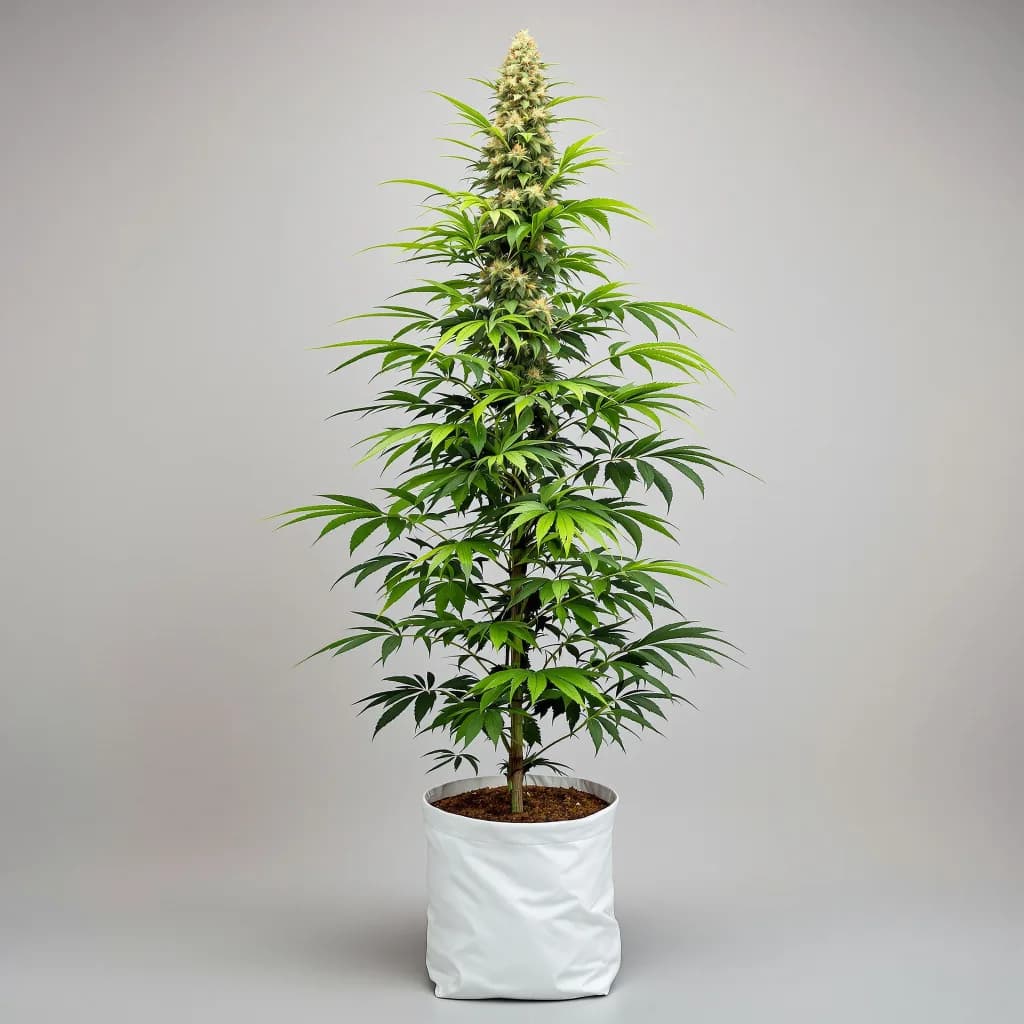
Red Congolese Auto
Red Congolese Auto for New Zealand growers. Sativa, listed 18% THC, creative, energetic, focused. Free postage over $150, flat $14.99 below it, both islands.
What the seed lot did on the bench
Every lot is checked before it goes on the shelf, and the yield figures come from New Zealand growers who sent us a harvest weight against a batch code. This lot was read on 2026-09-03, from a tray sample of 120.
Outdoor figures come from a New Zealand season, so they run below what the same cultivar reaches somewhere with a longer, drier autumn. Treat them as what this plant does here. The full report for this lot sets out the method and the terpene panel.
About Red Congolese Auto
Latitude decides more about a Red Congolese crop than anything you buy. New Zealand runs roughly 34 to 47 degrees south, and that span turns one 10/90 sativa into two different plants: a Kaitaia grower fights airflow and humidity through a muggy February, while a Southland grower is counting the weeks to first frost. Neither problem is about heat. If frost rather than heat is your limit, the strain finder sorts the catalogue by finishing time.
Growing Red Congolese in New Zealand Conditions
Indoors the outside world stops mattering and the job is control. Outdoors it is the whole brief.
Upper North Island — Northland, Auckland, Waikato, Bay of Plenty. The longest season in the country and the wettest finish. Bud rot, not sunshine, is what costs you a crop here, so plant where morning air moves and thin the interior early rather than admiring a dense canopy in January. More open flower architecture is an advantage through a humid autumn.
Lower North Island. Hawke's Bay and Gisborne are the driest and sunniest stretch; Taranaki, Manawatū and Wellington trade that for rain and wind. Wind decides how tall you let a plant get more than the genetics do.
South Island. Nelson, Tasman and Marlborough offer the best outdoor conditions nationally — high sunshine hours, low summer rainfall. Canterbury, Otago and Southland run a genuinely short season where flowering runs 65-75 days is the number that matters, because everything is a race against the first frost. An autoflower sidesteps this by finishing on its own clock. If your season is short, the autoflowering indica list is the better starting point.
Reading the Effects Honestly
Effect descriptions are the least reliable part of any seed listing, this one included. What is defensible: this is a 10/90 sativa at 18% THC, commonly described as creative, energetic, focused, with pinene leading the terpene profile.
What is not defensible is any promise about how it will feel for you. Dose, tolerance, setting and the phenotype you happen to pop all move the outcome more than the strain name does.
Growing a few and selecting the keeper is the only way to know. That is what a pack of autoflowering seeds is for.
The Terpenes
Pinene leads, limonene sits behind it, and caryophyllene runs underneath.
This trio is a common signature in well-regarded cultivars, which is not an accident: pinene carries weight, limonene adds definition, caryophyllene keeps it from being one-note. It reads clearly on a first opening rather than needing to be hunted for.
Who It Suits
Who does well with Red Congolese? Growers with limited headroom or no interest in managing timers. Apartment balconies. Anyone wanting more than one run in a season. First-timers included — the genetics are forgiving.
Still deciding? The indoor-friendly genetics list is the narrower place to start.
Published Figures
- Finishes in 65-75 days
- Under lights: up to 400 g/m2
- Grown out: up to 400 g/plant
- Height: Short
- Difficulty: easy
Reported Effects
Descriptive, and ordered by how prominently each one appears in the sources we hold. Not a survey, and not a measurement.
Best For
Where It Sits
The Numbers
How it arrives
Regular
Seeds
authenticity
lining
number
Related Strains
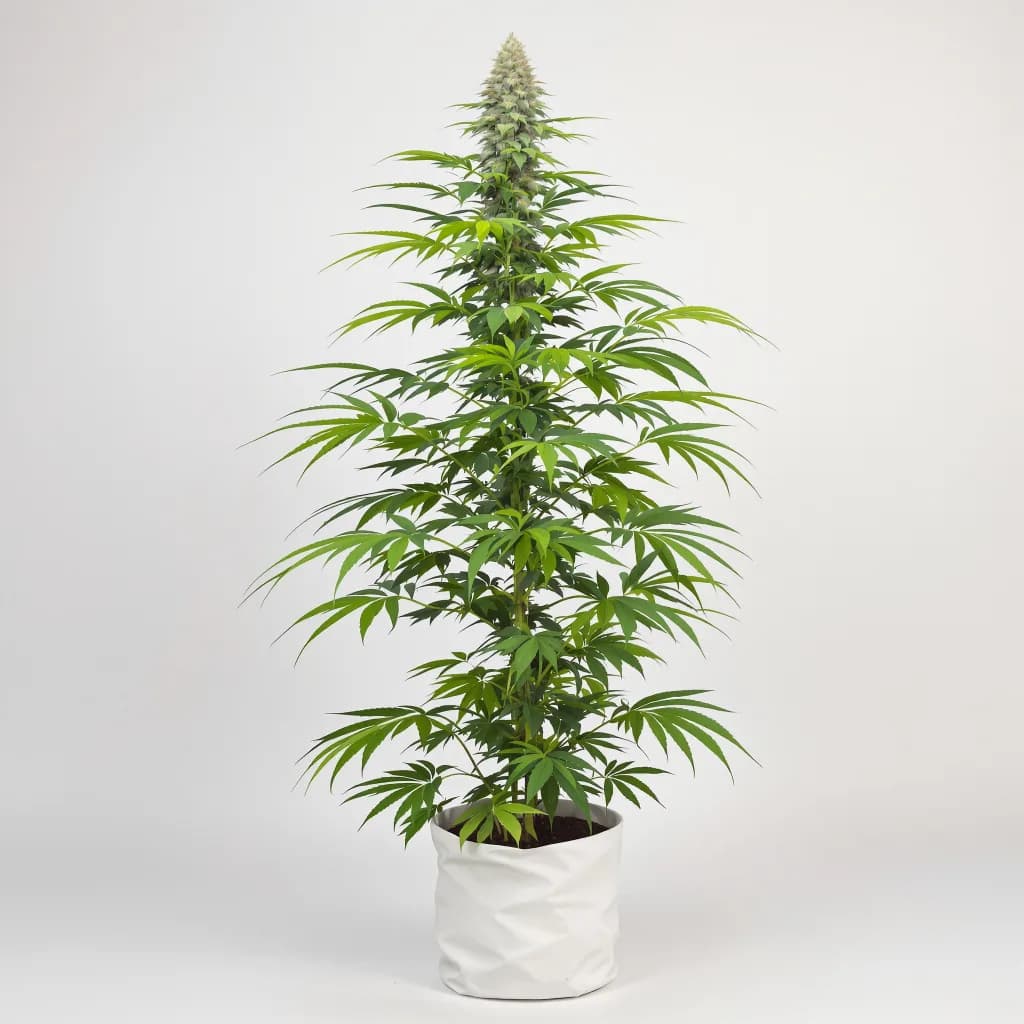
Red Congolese Feminised
Red Congolese Feminised for New Zealand growers. Sativa, listed 18% THC, creative, energetic, focused. Free postage over $150, flat $14.99 below it, both islands.
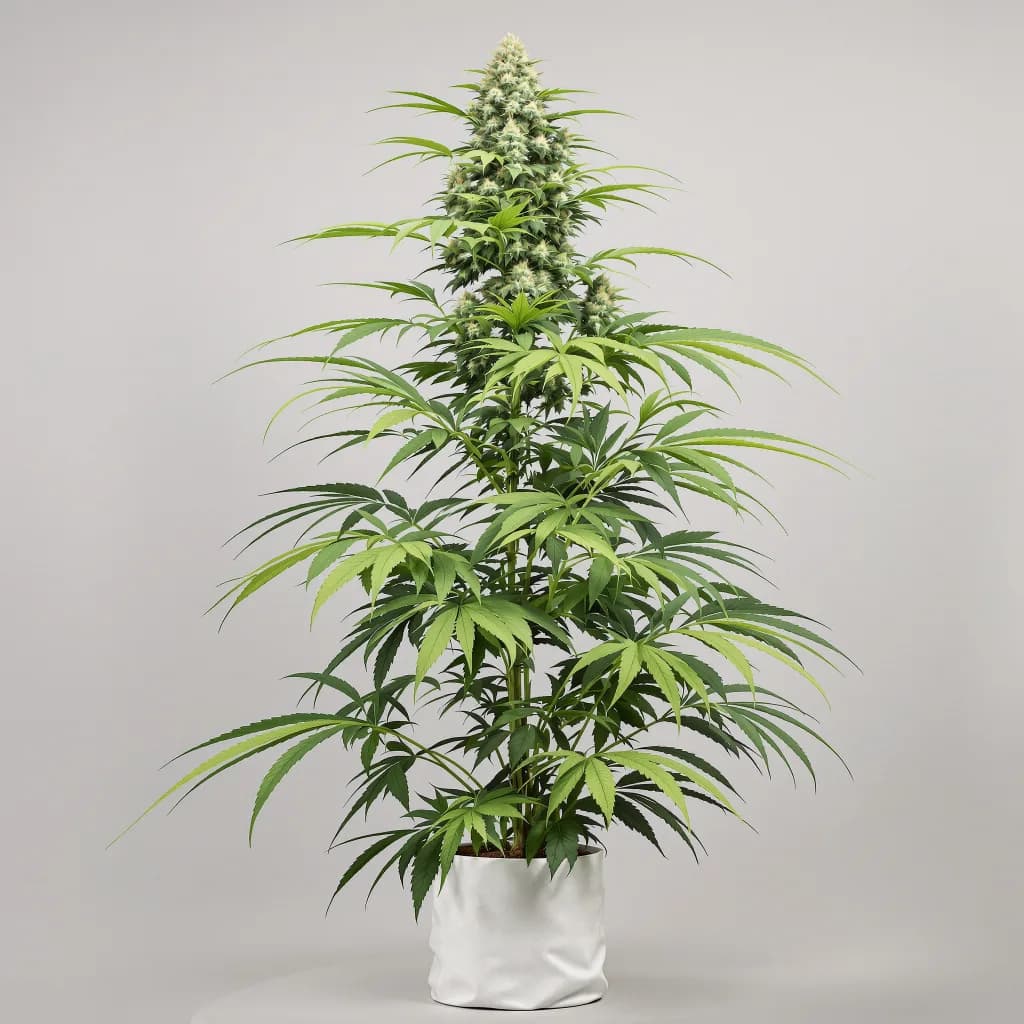
Diesel Feminised
Sativa genetics for a New Zealand grow. Diesel Feminised carries a listed 17% THC and reads focused, energetic. Priced in NZD, GST included, delivered nationwide.

Industrial Plant Auto
Industrial Plant Auto — sativa, 18% THC on the listing, creative, calm. Sent in plain packaging with NZ Post tracking and covered by our germination promise.
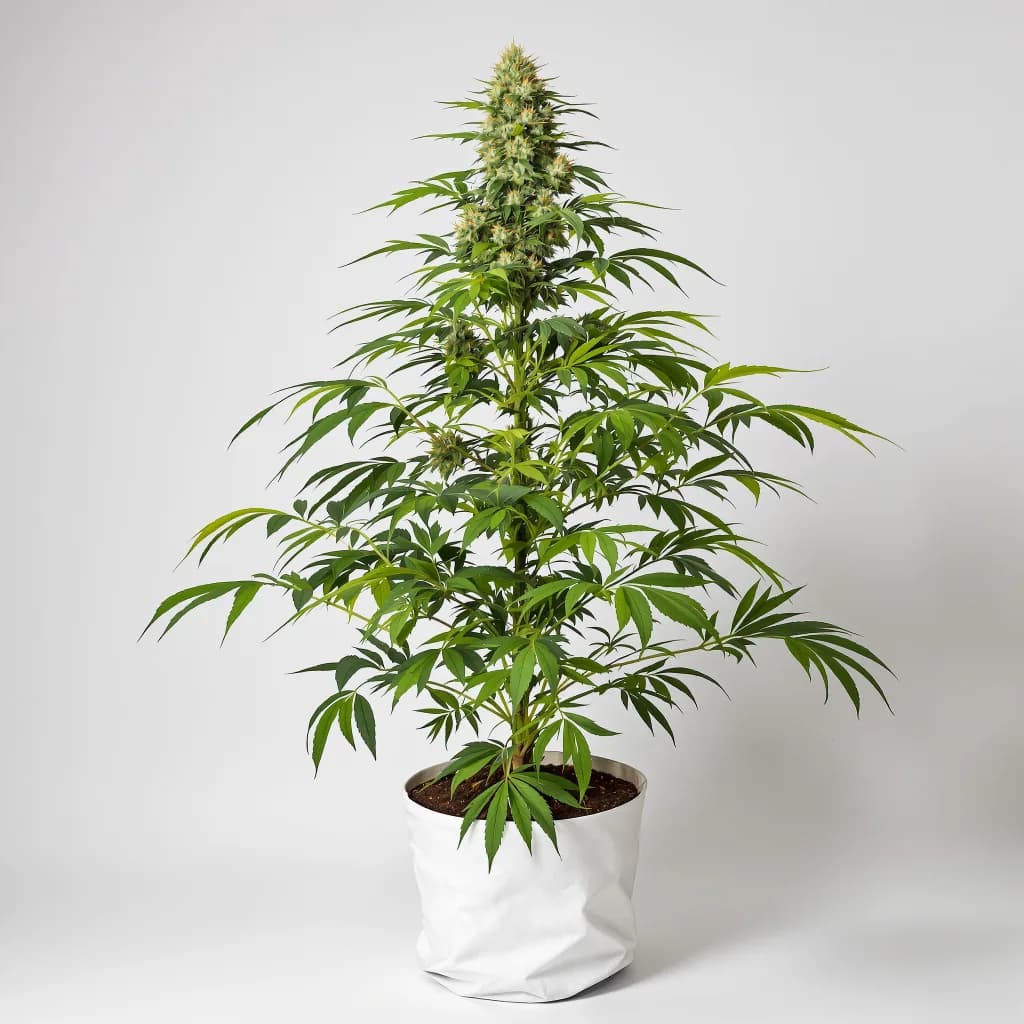
Willy's Wonder Auto
Willy's Wonder Auto — hybrid, 21% THC on the listing, creative, energetic, relaxed. Sent in plain packaging with NZ Post tracking and covered by our germination promise.
Where Red Congolese Auto Comes From
Documented parentage is Afghani × Mexican Sativa × Congolese. Where a cultivar's origin is recorded we name it on this page; where it is contested or simply unknown, the field stays empty rather than being filled with something plausible.
We did not originate the cultivars in this catalogue and do not claim to have. What we do is select and stabilise the lines we sell, so that a pack grows out more uniformly than an unworked one — which matters more in New Zealand than in most places, because an outdoor grower here is working to a frost date rather than an open-ended season. The stabilisation programme sets out how that works and what it does not cover.
Every pack is covered by our germination promise: follow the method in the germination guide and seed that fails to open is replaced free within 30 days.