Buy Kush Seeds in New Zealand — 174 Cultivars in Stock
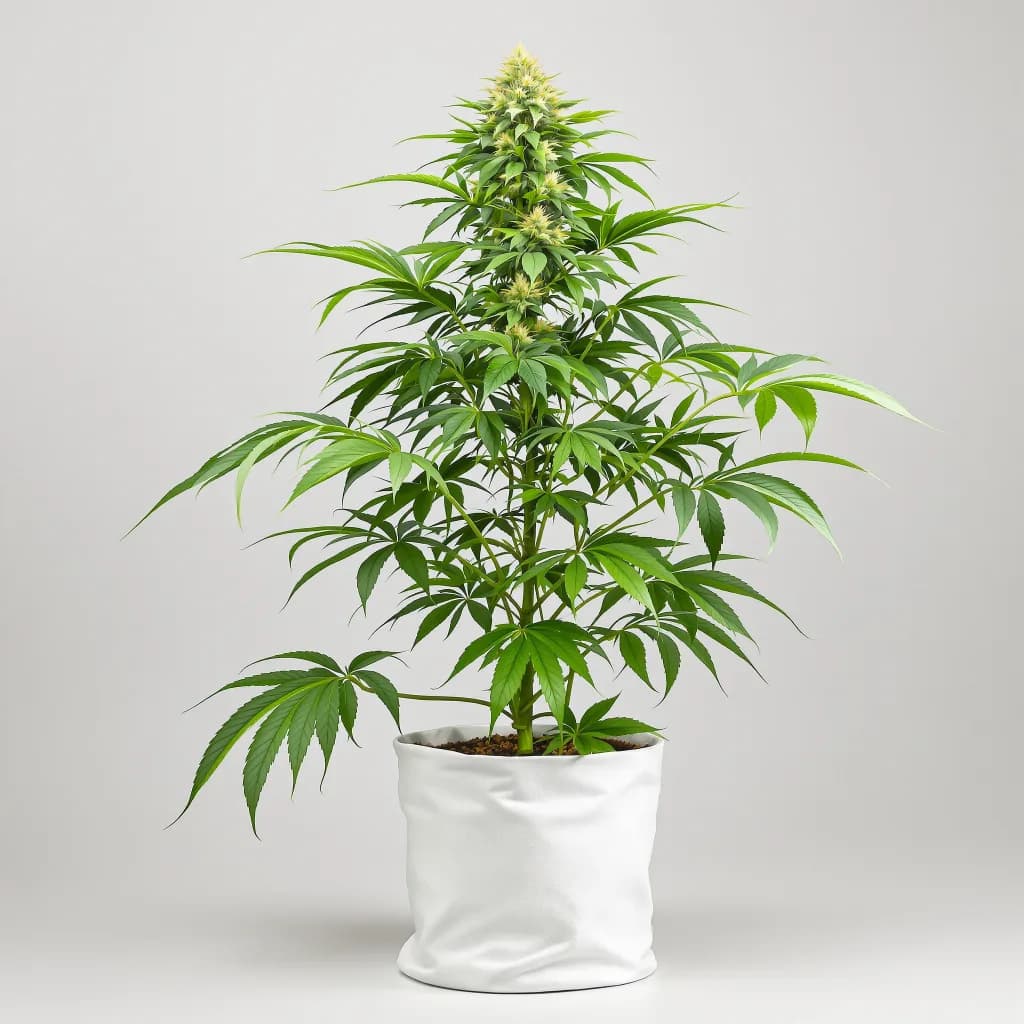
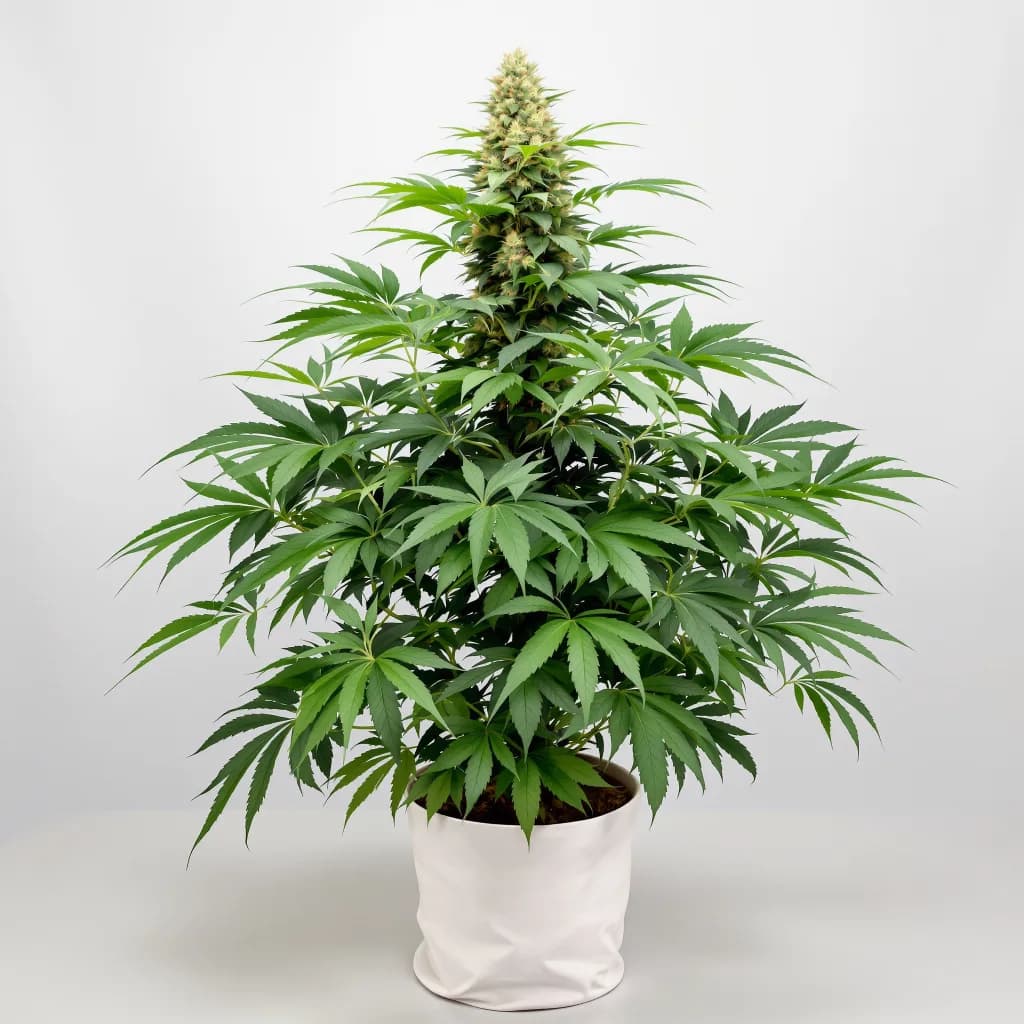
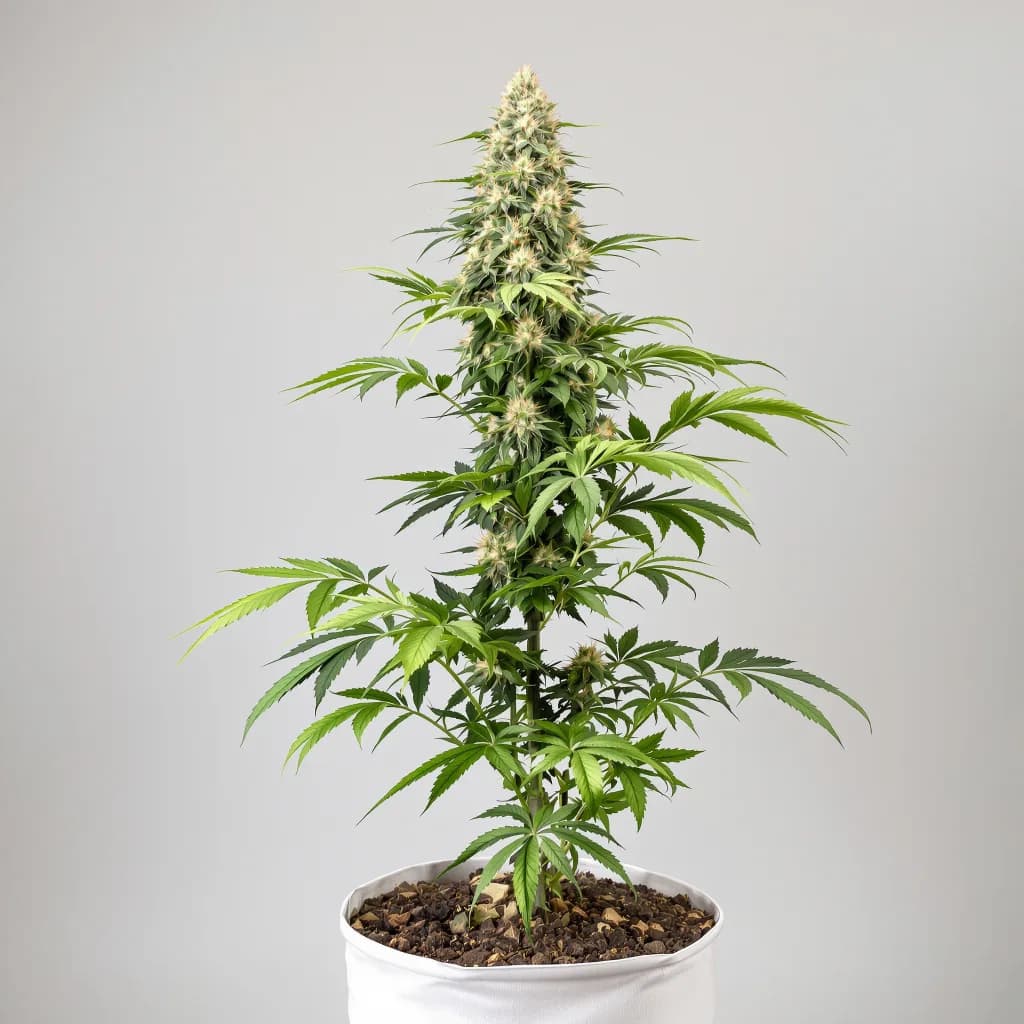
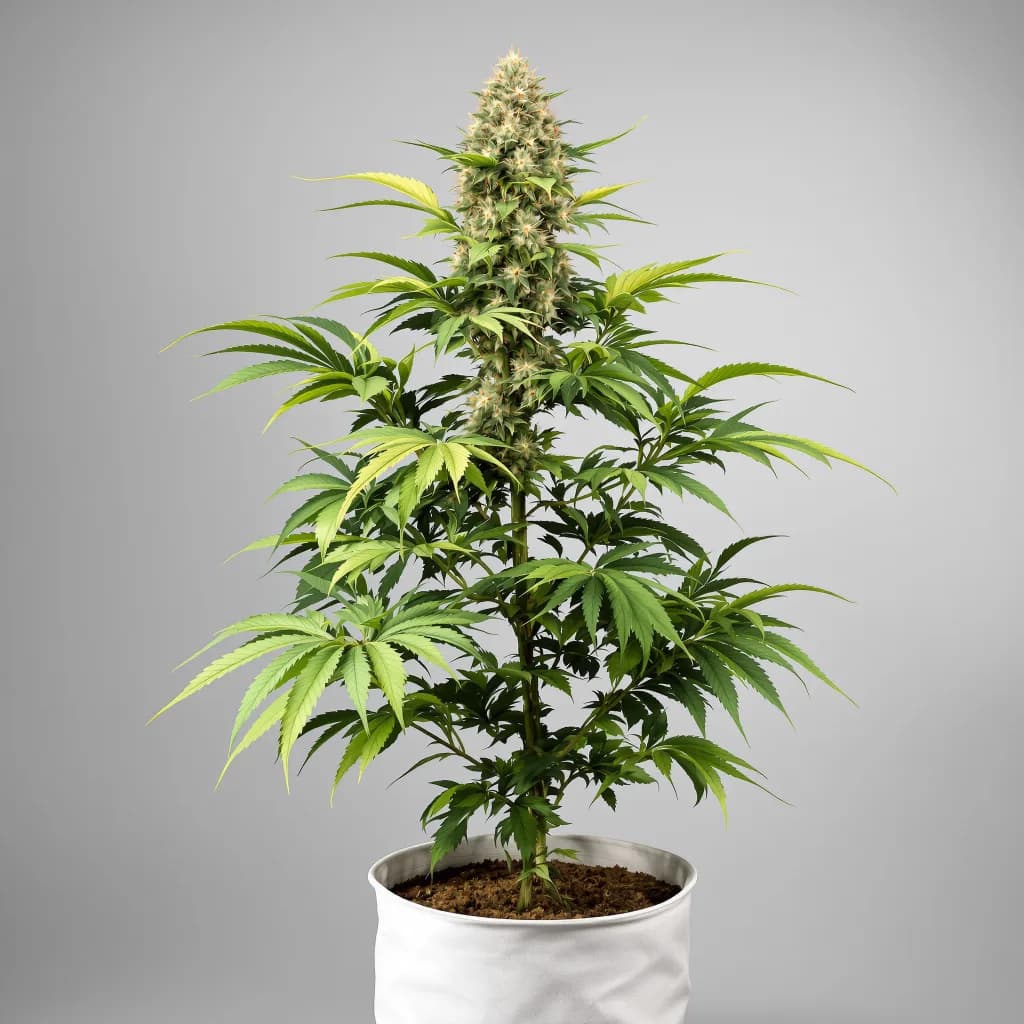
174 varieties tracing back to the Hindu Kush and the lines bred from it. That ancestry shows up as structure more than anything else: compact plants, short internodes, dense flower and a bloom that finishes on the earlier side. For a New Zealand outdoor grower the early finish is the useful part, and the density is the part to plan around, because packed flower and a wet March are not a good combination. The group runs 107 indica-leaning, 10 sativa-leaning, 55 balanced hybrid.
Also worth a look: indica seeds for the wider category Kush sits inside, classic strains for other heritage genetics, and purple genetics many of which trace back to Kush lines.
174 strains available
What this shelf holds
174 varieties sit on this shelf right now, and the THC figures on their listings run from 5% up to 28%, with the middle of the group at 20%. Counted from the catalogue when this page was built, so it matches the grid below.
- Photoperiod, all female: 117 of them (67%). You choose when they flower, and they carry the most weight per plant.
- Day-neutral: 57 (33%). These run on age, so the New Zealand daylight cycle is irrelevant to them.
- Indica-leaning: 107. Short and wide, quicker to finish, and usually myrcene-forward.
- Sativa-leaning: 10. Taller, later, and worth the season length only where you have it.
- Balanced crosses: 55. Somewhere between the two, and generally the easier grow for it.
- CBD-forward: 2. Bred for a different cannabinoid balance, with THC correspondingly lower.
- First three alphabetically: 8 Ball Kush, Afghan Kush and Afghan Kush. The grid below filters on finishing time, height and type.
Kush Seeds — Browse All Strains
The Composition of This Group
Of the 174 varieties here, 107 lean indica (61%), 10 lean sativa (6%), 55 sit as balanced hybrids (32%), 2 are CBD-forward. 57 of the 174 are autoflowering (33%), and the remaining 117 flower on a light cycle. The mean listed THC across the group is about 20%, which is a genetic ceiling rather than a guarantee — the figure a plant actually reaches depends on light, feeding and harvest timing. These counts are read from the catalogue when the page is built, so they move when stock moves and cannot drift away from what is listed below.
Matching These Genetics to a New Zealand Site
The distance from Cape Reinga to Bluff covers two genuinely different growing climates, and a plant that suits one can be caught out by the other. Manawatū and Whanganui gives you persistent wind, which means staking early rather than after the first storm. Wellington, by contrast, gives you wind as the defining variable — plants get shaped by it whether or not you plan for it. Read the flowering window on any variety you plan to grow outside against your own first-frost date, not against a national average. Plan around autumn moisture rather than temperature. Airflow through the middle of the plant, enough space between plants, and a variety that finishes before the weather closes in will save more of a crop than any feeding schedule.
Narrowing a Long List
The fastest way through a category this size is to eliminate rather than compare. Environment first: a tent, a greenhouse and an open paddock rule out different halves of the list. Season second: your first frost date sets a maximum flowering time, and in Southland or Central Otago that alone removes most of the slower varieties. Height third, if you are growing where the plant needs to stay out of sight. Type and potency come last, not first — they are the fields most people sort by and the ones least likely to make a grow succeed or fail. This applies to the 117 photoperiod varieties in this category; the other 57 run on age instead.
Frequently Asked Questions
What is in the Kush Seeds category?
Why do some listings have more information than others?
Is a bigger category a better place to start?
What does delivery cost and how long does it take?
Ordering These
Prices are in New Zealand dollars with GST included and no card surcharge. Orders over $150 NZD ship free, everything goes out in plain unbranded packaging with NZ Post tracking, and we ship to New Zealand addresses only.
Nearby Shelves
Still narrowing it down?
Six questions will cut this list to a handful, or the calculator will tell you what the space can carry.