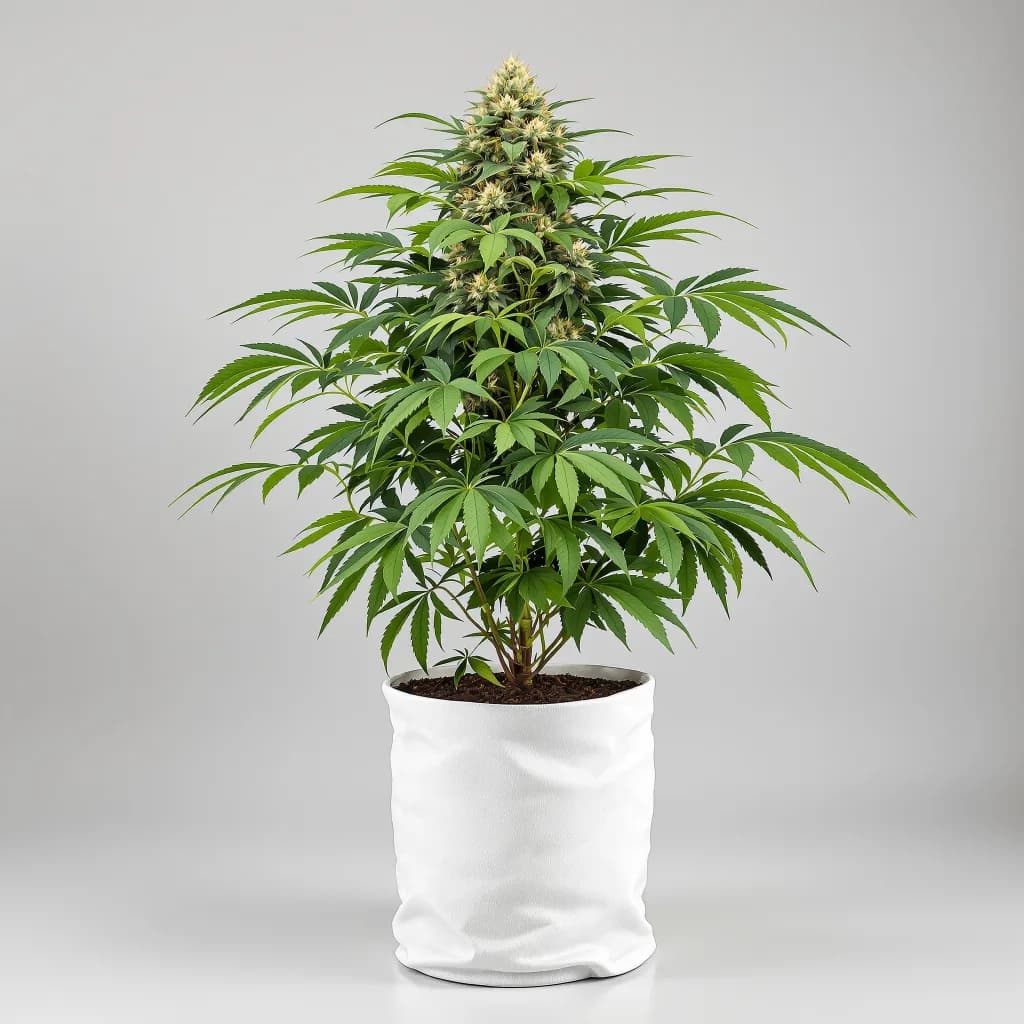
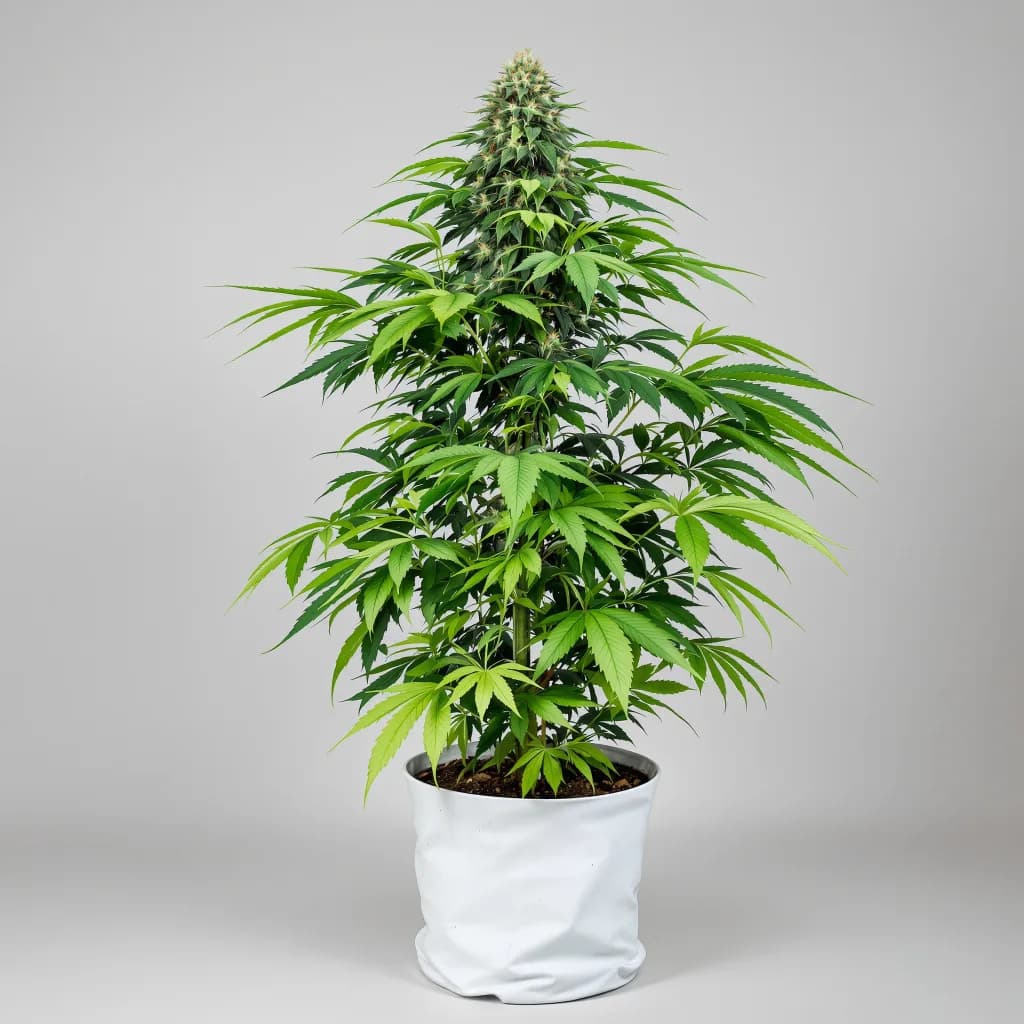
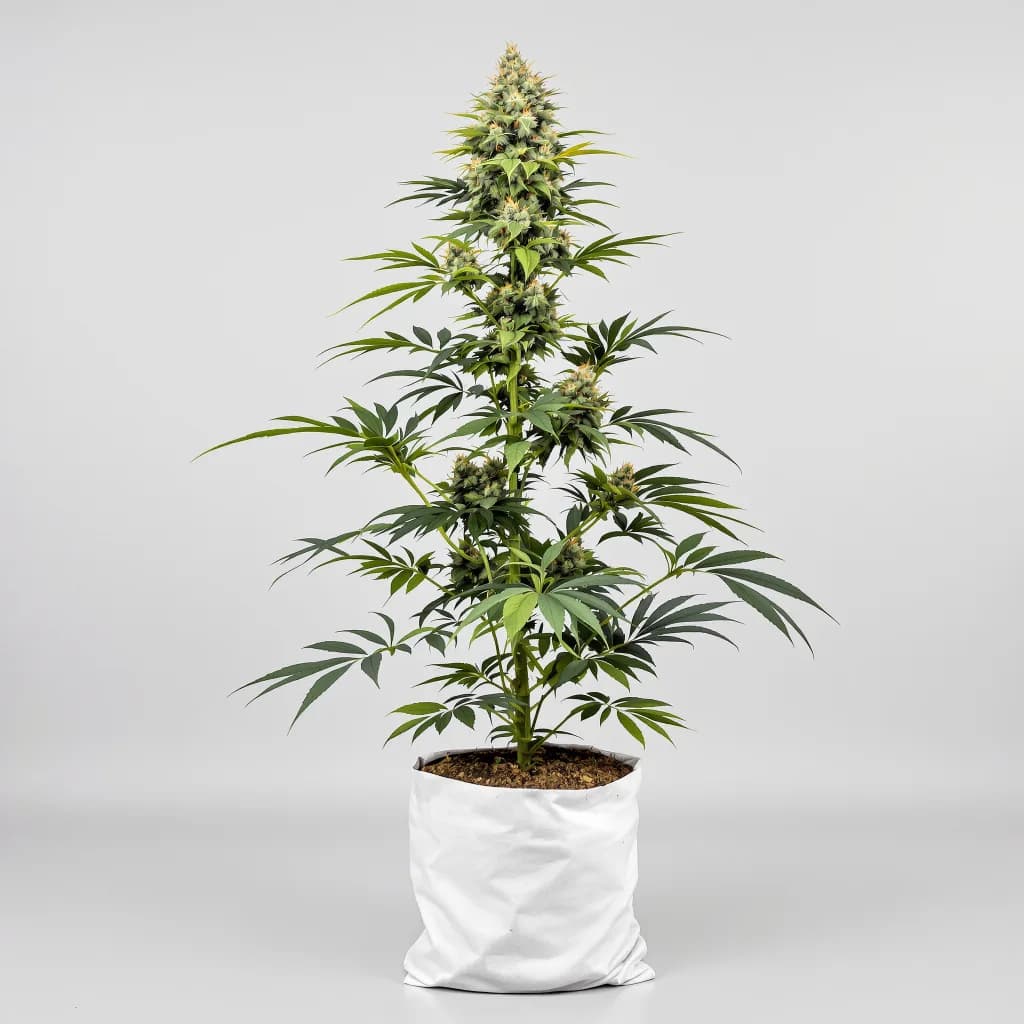
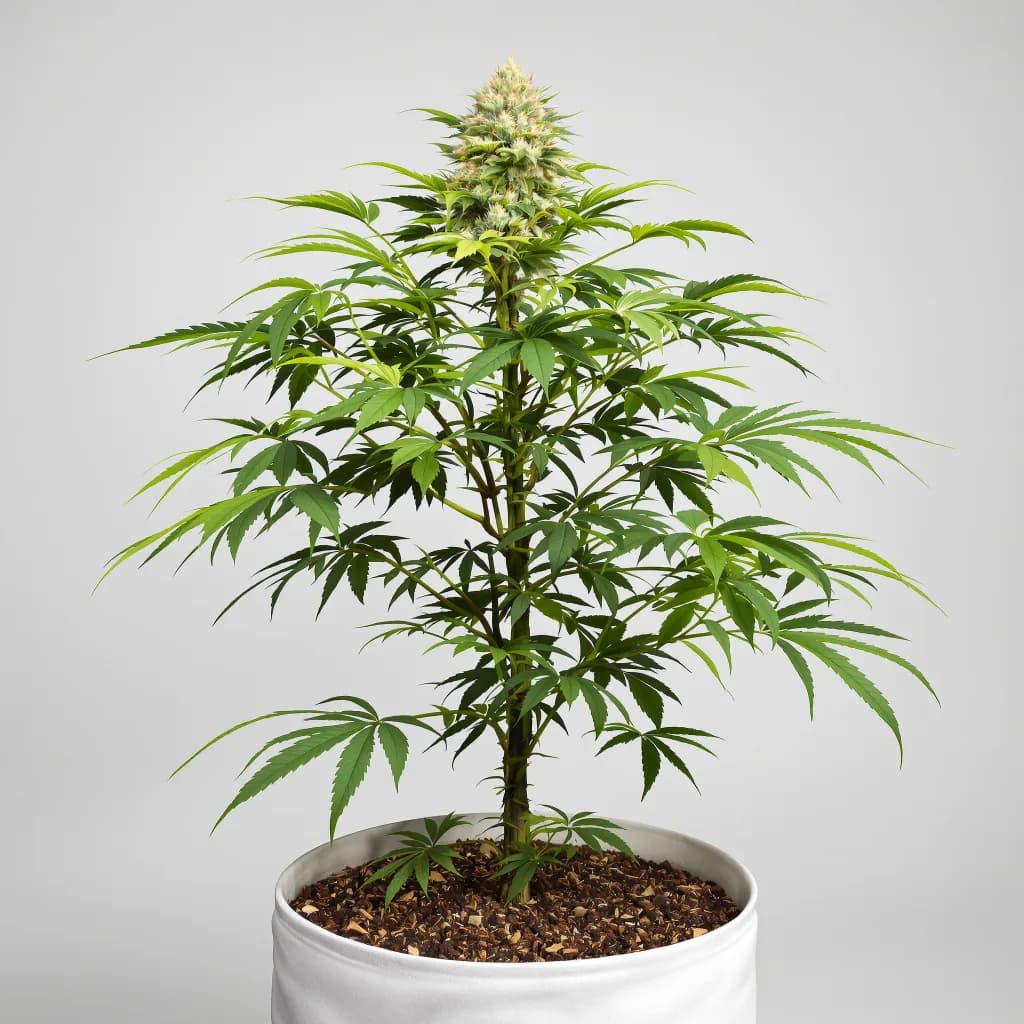
Purple Genetics Seeds — 113 Short, Early-Finishing Varieties for NZ
113 varieties built low and finished early. Indoors that suits a fixed ceiling and a tent that cannot be made taller; outdoors it suits anywhere the season closes in before April. What to watch is airflow rather than cold: dense flower in a humid autumn is where New Zealand outdoor grows are most often lost, and spacing the plants is a cheaper fix than any spray.
Also worth a look: indica seeds where most purple lines originate, fruity strains for the grape and berry profiles that travel with them, and Kush genetics the backbone of many purple crosses.
113 strains available
What this shelf holds
113 varieties sit on this shelf right now, and the THC figures on their listings run from 5% up to 33%, with the middle of the group at 19%. Counted from the catalogue when this page was built, so it matches the grid below.
- Photoperiod, all female: 80 of them (71%). You choose when they flower, and they carry the most weight per plant.
- Day-neutral: 33 (29%). These run on age, so the New Zealand daylight cycle is irrelevant to them.
- Indica-leaning: 80. Short and wide, quicker to finish, and usually myrcene-forward.
- Sativa-leaning: 4. Taller, later, and worth the season length only where you have it.
- Balanced crosses: 29. Somewhere between the two, and generally the easier grow for it.
- First three alphabetically: Ayahuasca Purple, Ayahuasca Purple and Black Water Purple OG Cheese. The grid below filters on finishing time, height and type.
Purple Genetics Seeds — Browse All Strains
The Composition of This Group
Of the 113 varieties here, 80 lean indica (71%), 4 lean sativa (4%), 29 sit as balanced hybrids (26%). 33 of the 113 are autoflowering (29%), and the remaining 80 flower on a light cycle. The mean listed THC across the group is about 19%, which is a genetic ceiling rather than a guarantee — the figure a plant actually reaches depends on light, feeding and harvest timing. These counts are read from the catalogue when the page is built, so they move when stock moves and cannot drift away from what is listed below.
Where in New Zealand This Works
Where you are growing in New Zealand changes the answer more than which variety you choose does. the Waikato gives you heavy autumn dews and morning fog that sit in dense flower long after sunrise. the Bay of Plenty, by contrast, gives you high sunshine hours alongside humid Marches that punish tight bud structure. An early finish is what closes that gap, which is exactly what indica-leaning structure buys you. Cold is rarely the thing that ends a season in this country. Humidity in late flower is, which makes open structure and a finishing date you can defend worth more than a few extra grams of potential yield.
Getting the Most From Short, Dense Plants
Indica-leaning structure is compact and internodes are tight, which is an advantage under lights and a liability in a damp autumn. The same density that makes the flower look good traps moisture. Strip the lower growth that will never see decent light, keep air moving through the middle of the plant rather than only over the top, and pull humidity down to 45% or below once flowers start filling. Outdoors in the wetter North Island regions, that single habit — opening the plant up — decides more harvests than strain choice does. Their short stature also makes them the sensible pick where height has to stay below a fence line. This applies to the 80 photoperiod varieties in this category; the other 33 run on age instead.
Frequently Asked Questions
What is in the Purple Genetics Seeds category?
Why do people pick indica-leaning plants for New Zealand?
Are dense indica flowers a problem in a wet autumn?
What is the legal position?
Ordering These
Prices are in New Zealand dollars with GST included and no card surcharge. Orders over $150 NZD ship free, everything goes out in plain unbranded packaging with NZ Post tracking, and we ship to New Zealand addresses only.
Nearby Shelves
Still narrowing it down?
Six questions will cut this list to a handful, or the calculator will tell you what the space can carry.