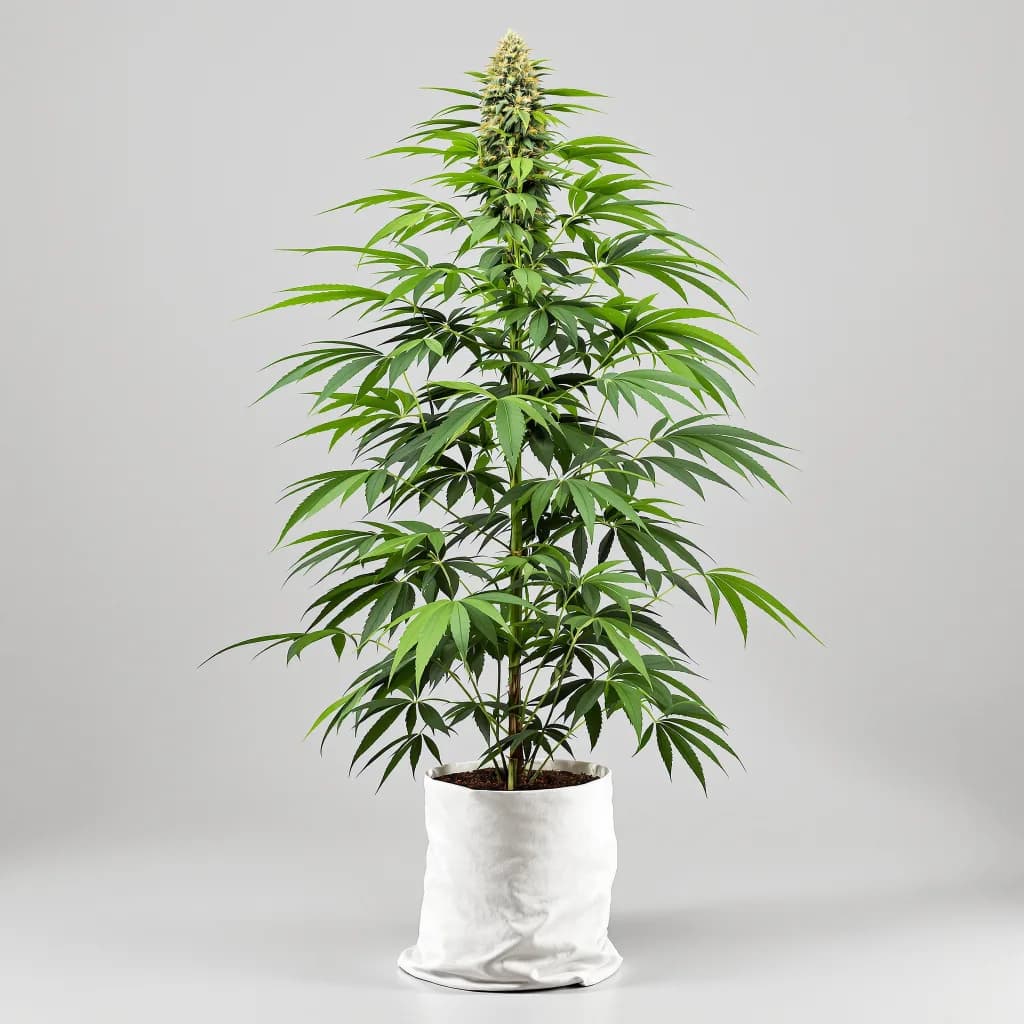
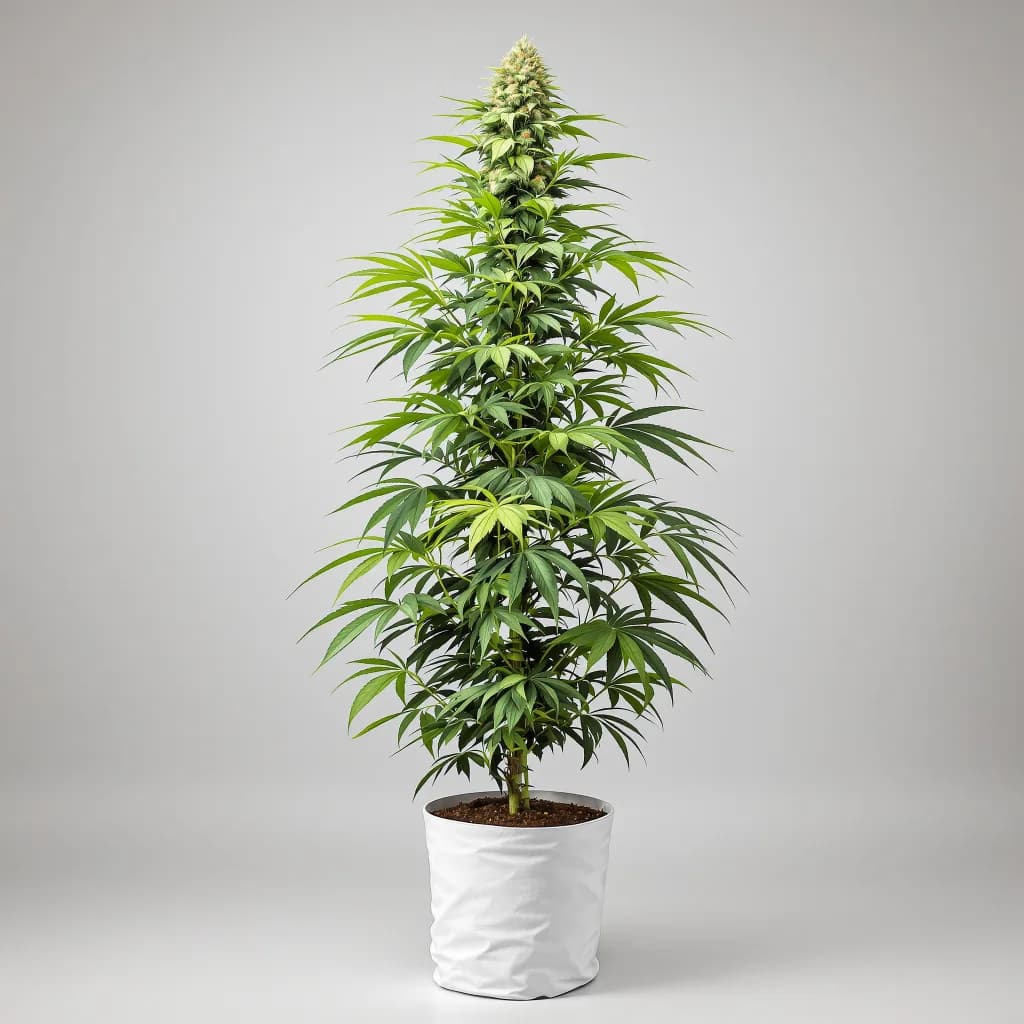
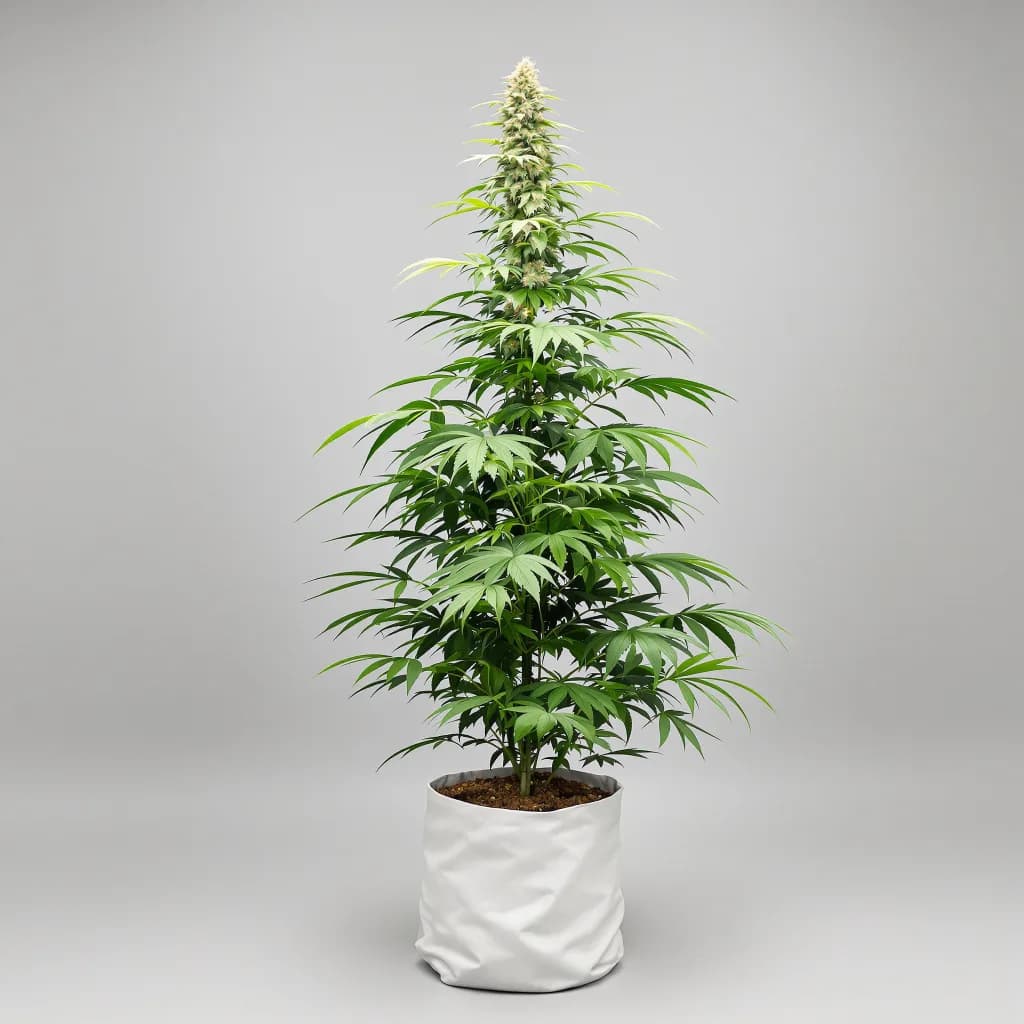
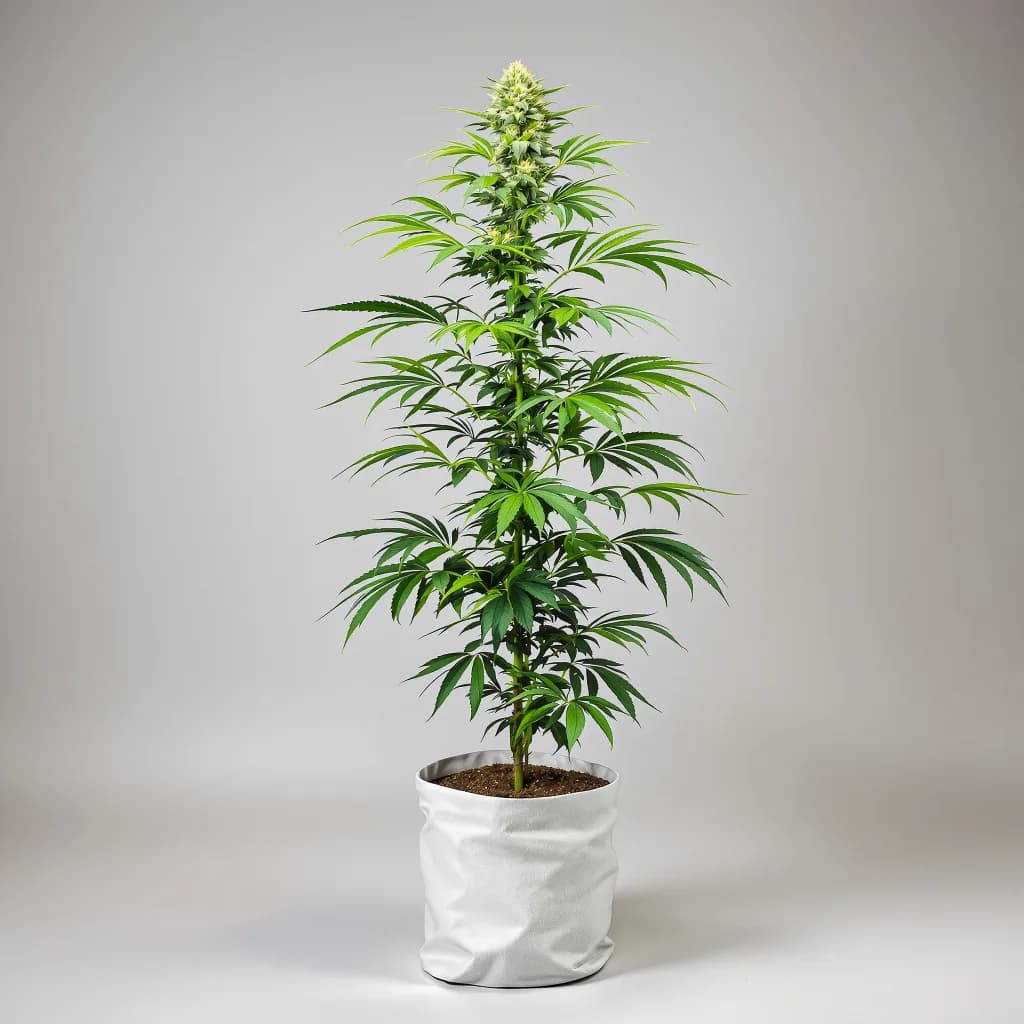
Feminised Sativas — 186 Varieties You Control the Flowering On
Everything in this group of 186 flowers on daylight rather than age, which is what makes cuttings and mother plants possible and what makes the outdoor season a matter of arithmetic. Count backwards from your own first frost, not from a national average — the workable flowering window in Kerikeri and the one in Alexandra are weeks apart. Composition is 186 sativa-leaning.
Also worth a look: all sativa seeds including autoflowering sativas, the full feminised range across every strain type, and autoflowering indicas if 11 weeks will not fit your season.
186 strains available
What this shelf holds
186 varieties sit on this shelf right now, and the THC figures on their listings run from 9% up to 33%, with the middle of the group at 20%. Counted from the catalogue when this page was built, so it matches the grid below.
- Photoperiod, all female: 186 of them (100%). You choose when they flower, and they carry the most weight per plant.
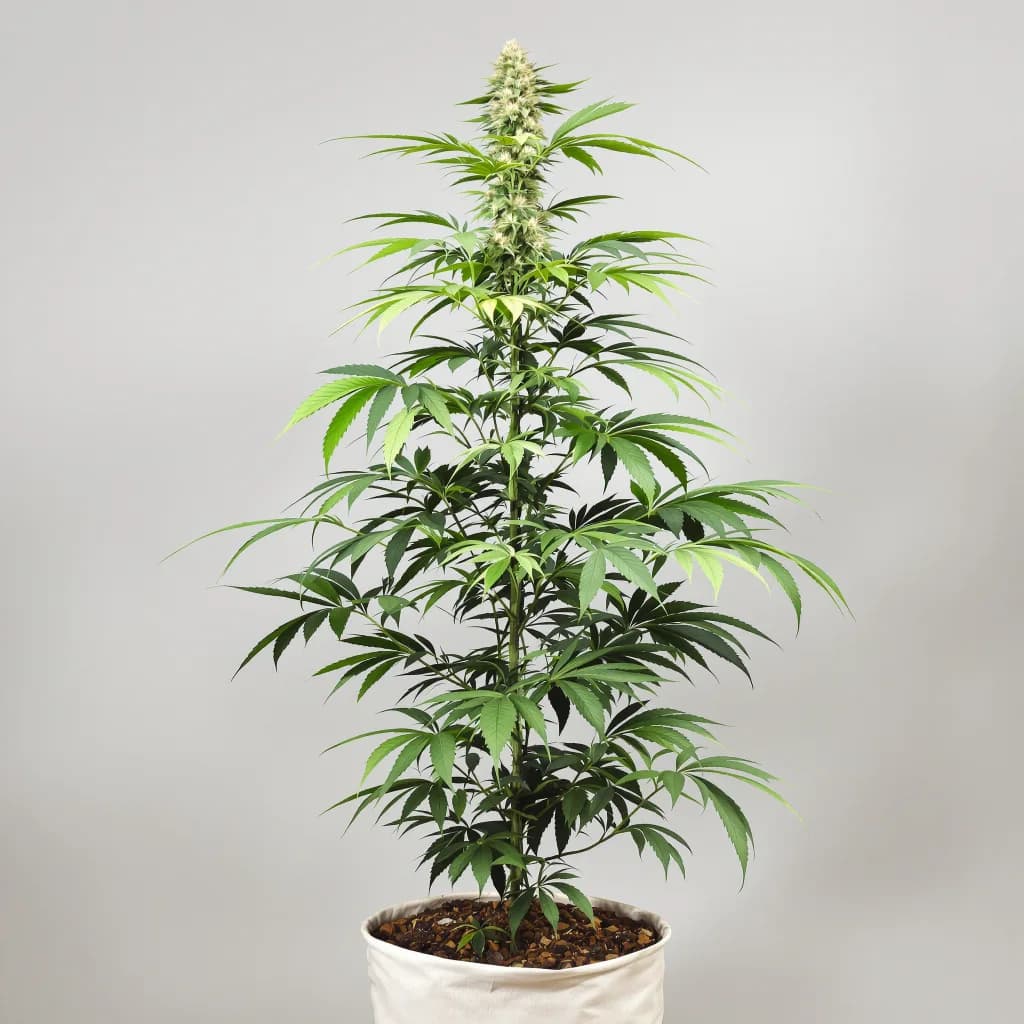
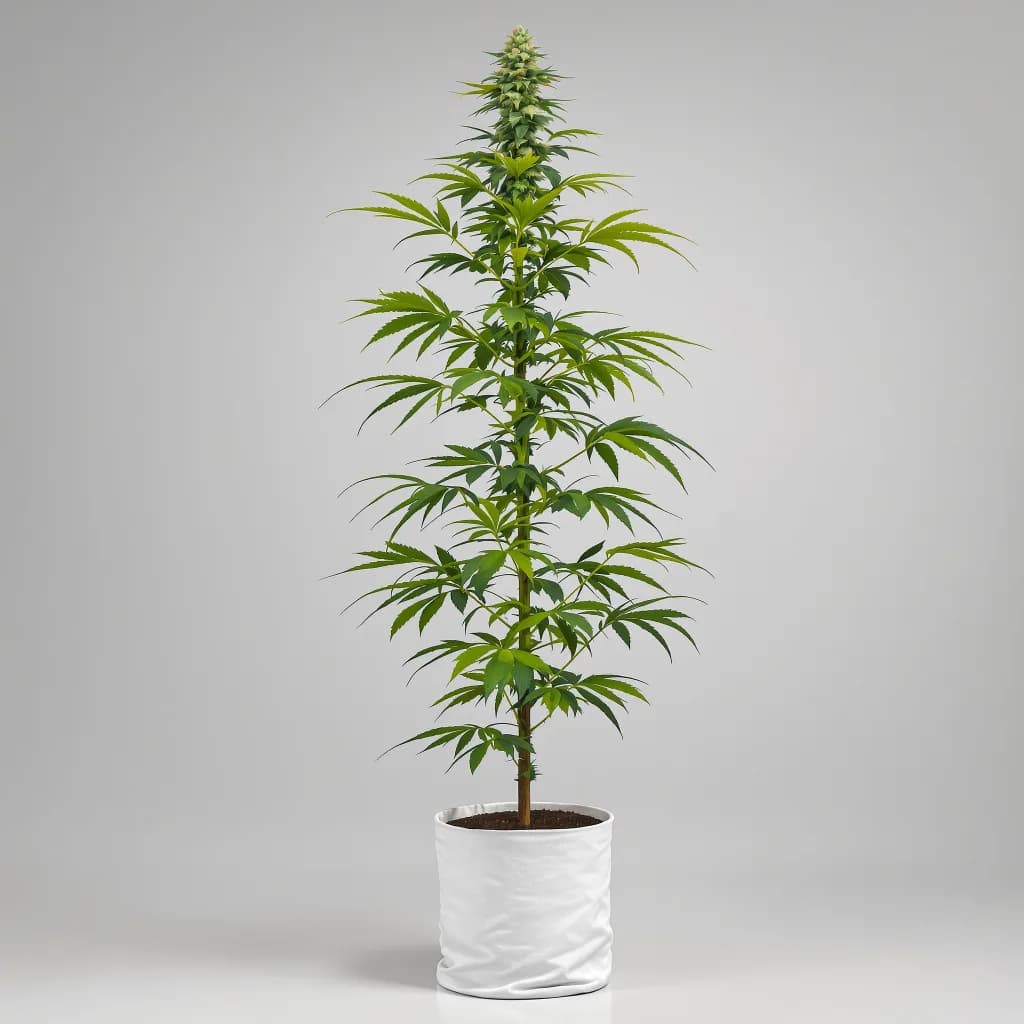
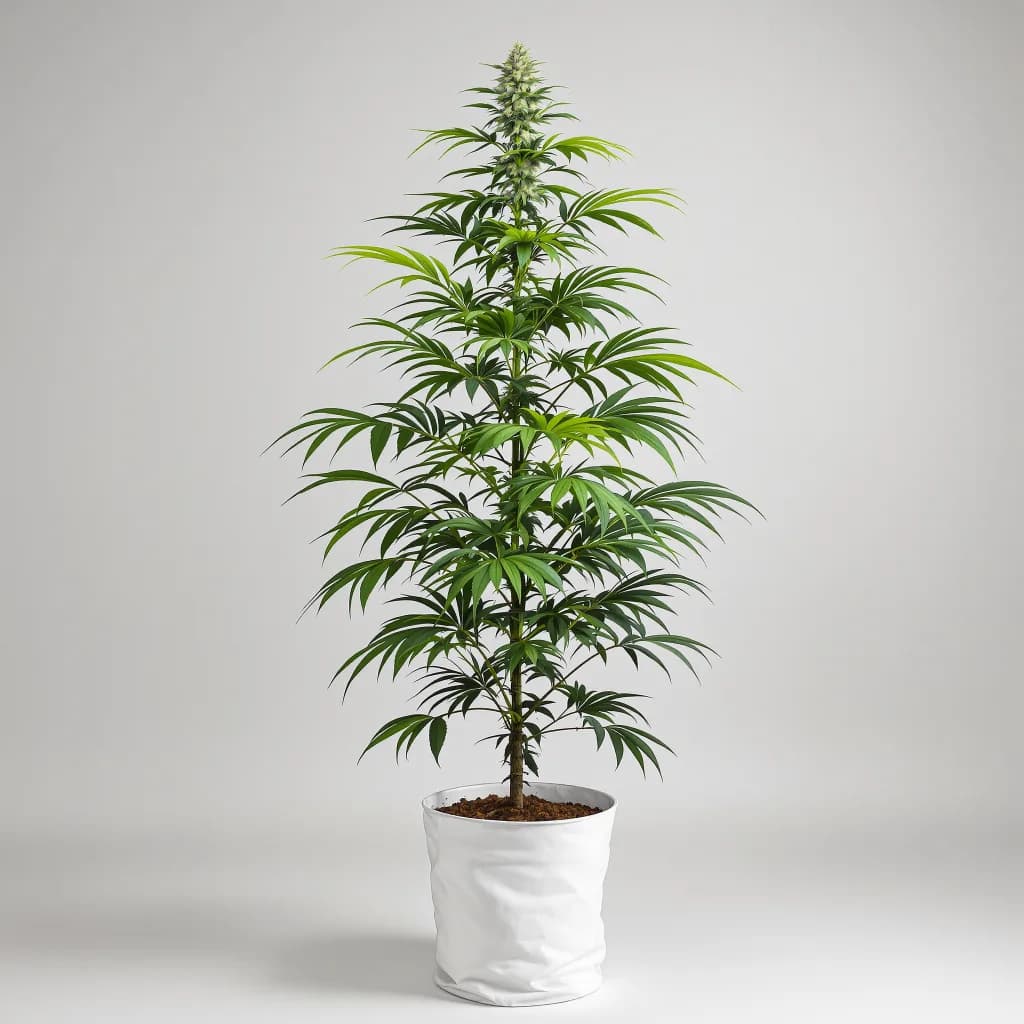
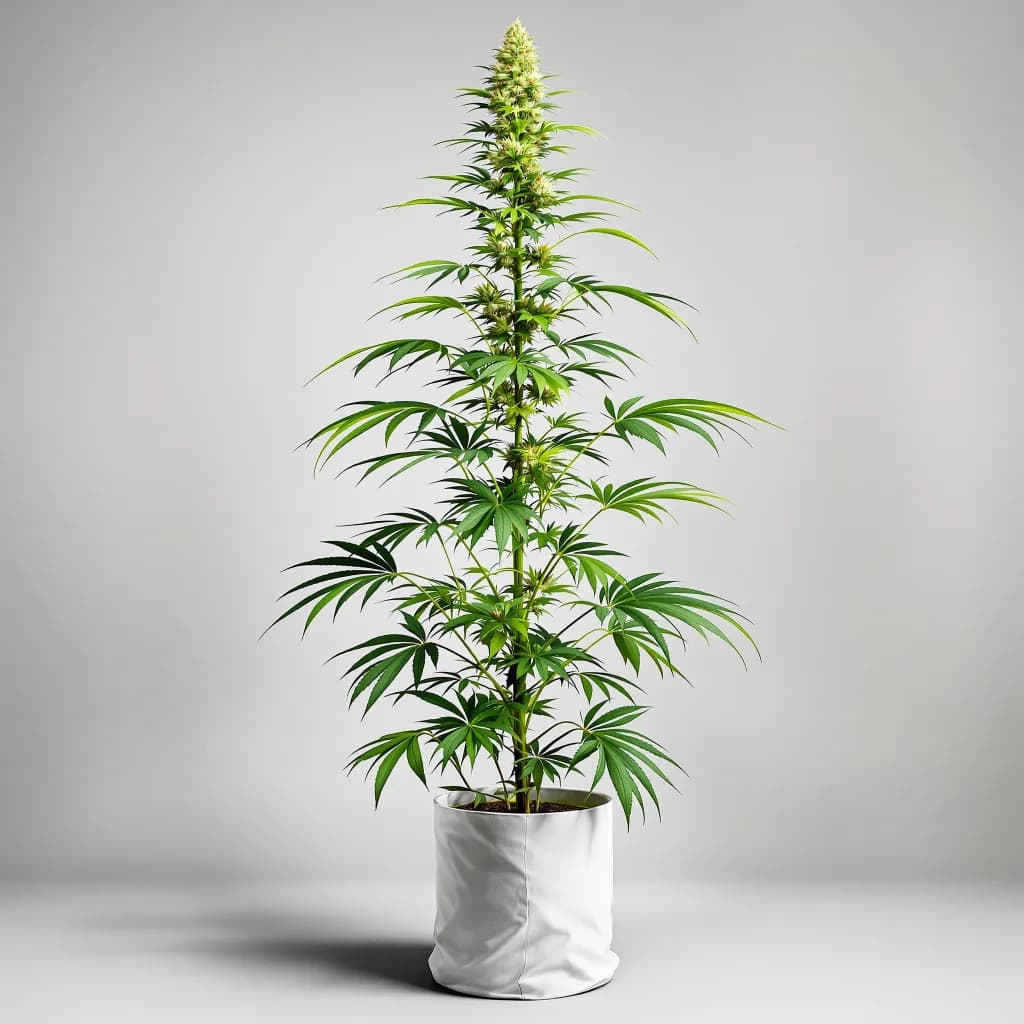
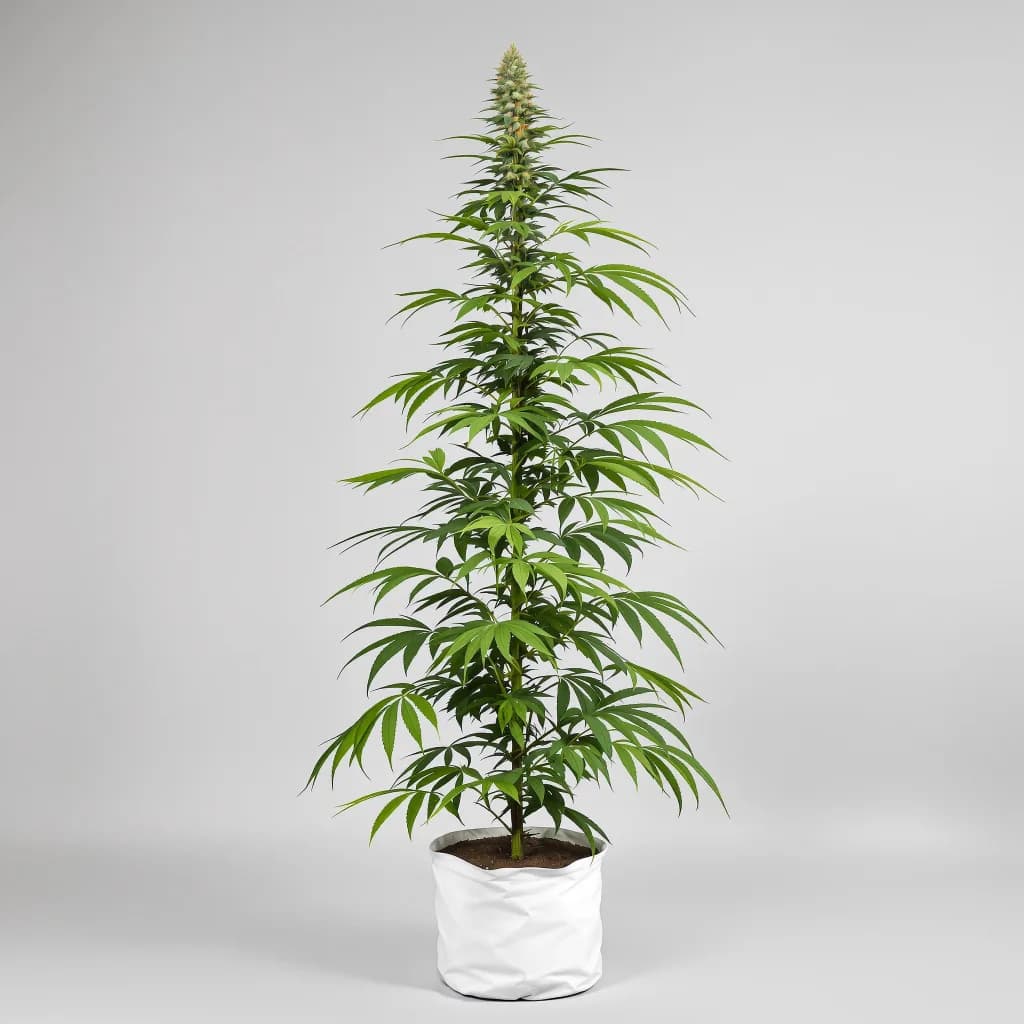
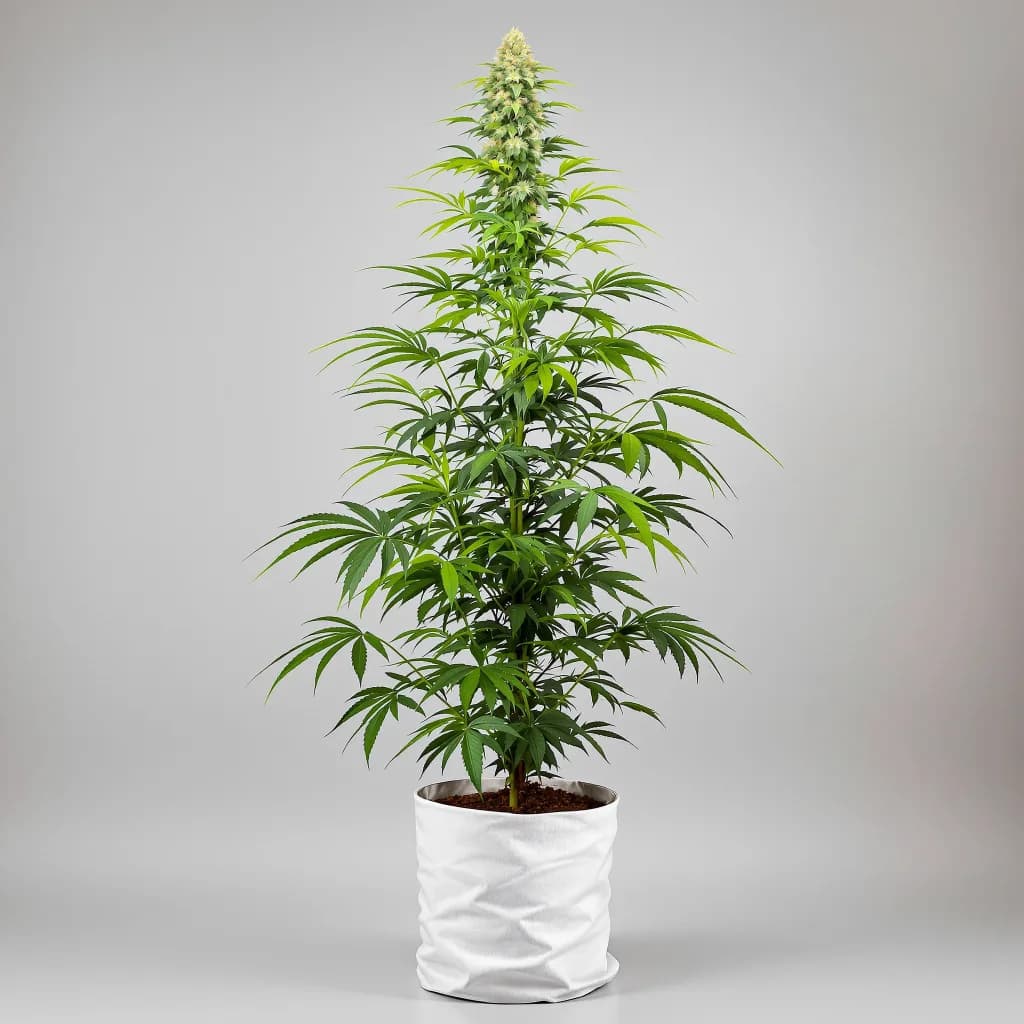
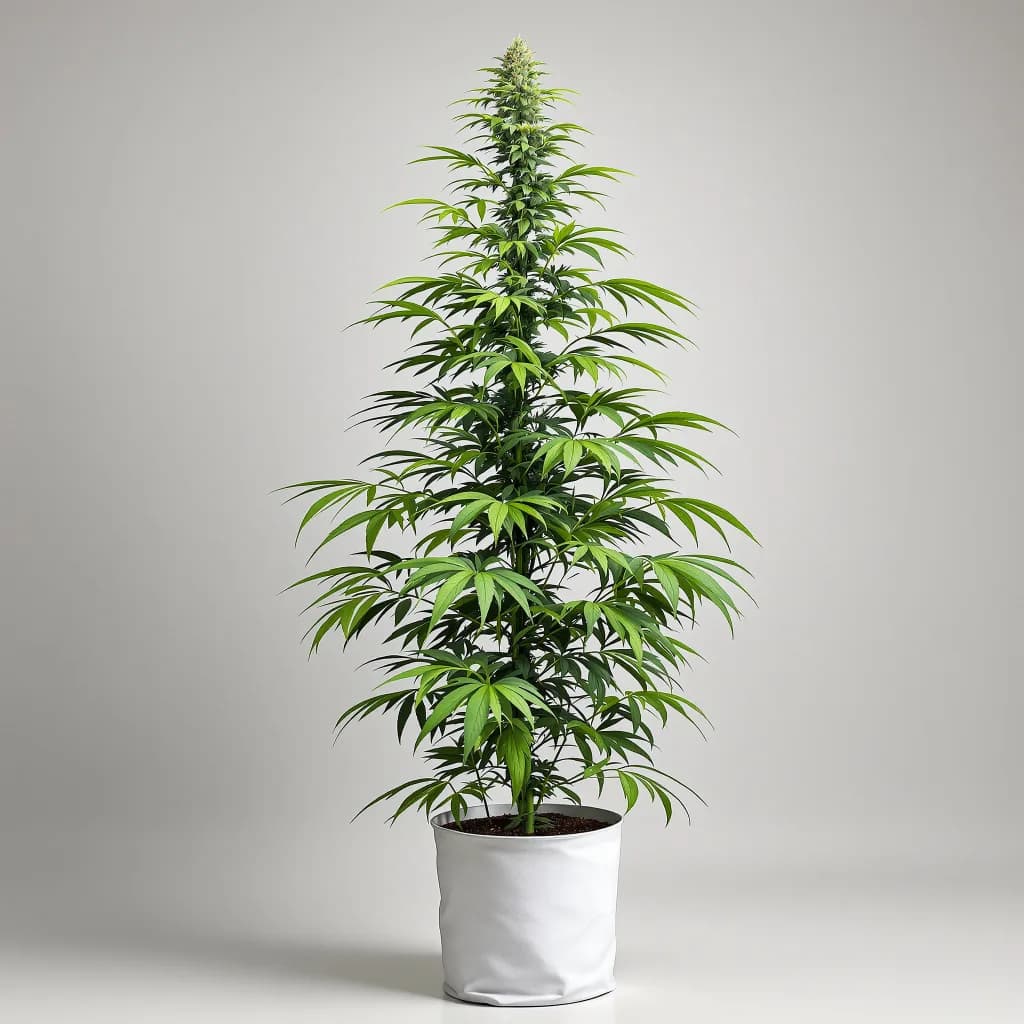
- Sativa-leaning: 186. Taller, later, and worth the season length only where you have it.
- First three alphabetically: 3 Kings, 5 Alive and 707 Headband. The grid below filters on finishing time, height and type.
Feminised Sativas — Browse All Strains
What Is Actually in This Category
Of the 186 varieties here, 186 lean sativa (100%). None are autoflowering — all 186 need shortening light to start flowering, which outdoors happens on its own as the New Zealand summer ends. The mean listed THC across the group is about 20%, which is a genetic ceiling rather than a guarantee — the figure a plant actually reaches depends on light, feeding and harvest timing. These counts are read from the catalogue when the page is built, so they move when stock moves and cannot drift away from what is listed below.
Where in New Zealand This Works
Where you are growing in New Zealand changes the answer more than which variety you choose does. the Waikato gives you heavy autumn dews and morning fog that sit in dense flower long after sunrise. the Bay of Plenty, by contrast, gives you high sunshine hours alongside humid Marches that punish tight bud structure. Read the flowering window on any variety you plan to grow outside against your own first-frost date, not against a national average. Cold is rarely the thing that ends a season in this country. Humidity in late flower is, which makes open structure and a finishing date you can defend worth more than a few extra grams of potential yield.
Getting Weight Out of Fewer Plants
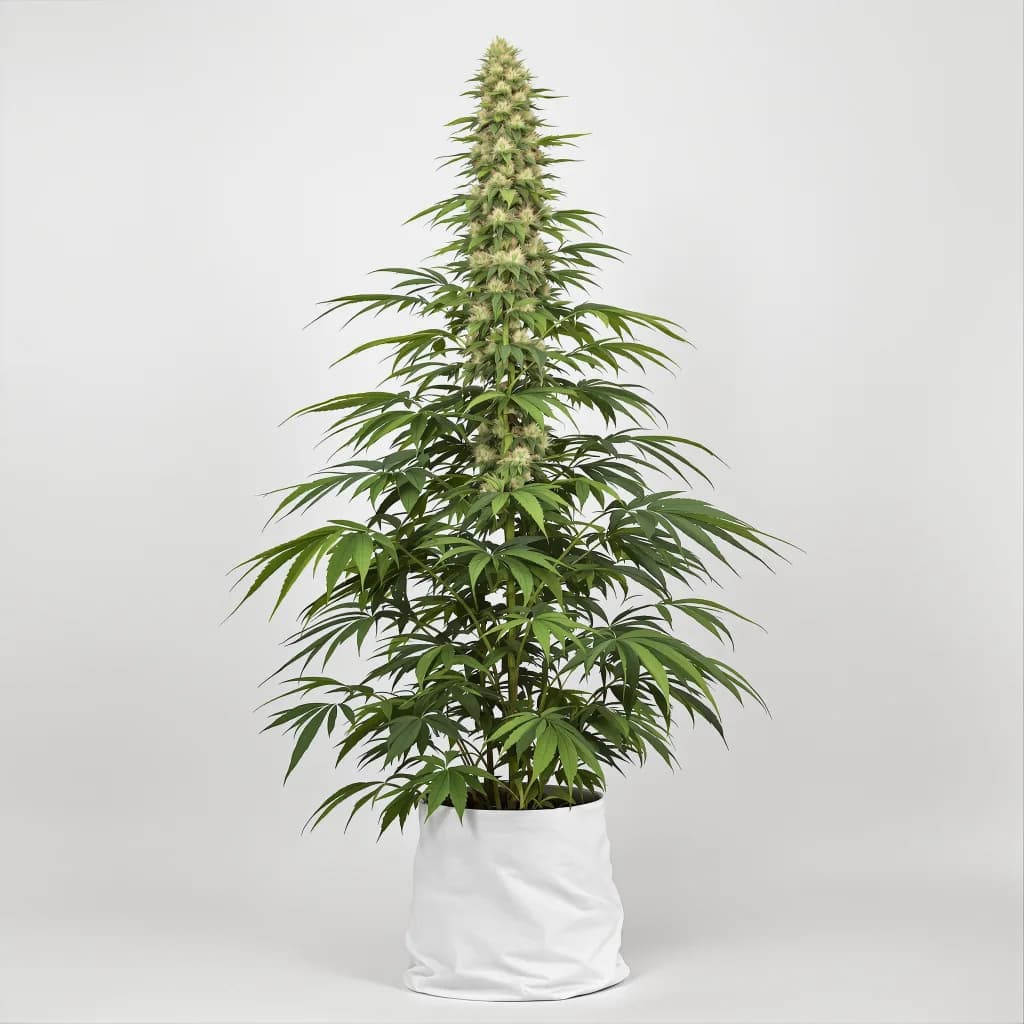
The reason to run photoperiod genetics rather than autoflowers is that you can build a bigger plant before you commit it to flowering, and a bigger plant carries more sites. That is a training question more than a genetics one. Topping at the fourth or fifth node, then tying the resulting branches outward, converts one dominant cola into six or eight of similar size — which is the whole point of a flat canopy. A screen makes it easier to hold. None of this is compulsory; an untrained plant still produces, it just concentrates its weight where the light is strongest and wastes the rest. All 186 varieties in this category work this way; none of them will flower on age alone.
Frequently Asked Questions
What is in the Feminised Sativas category?
Do these need a light-proof space?
When should I switch these to flowering?
Is the packaging discreet?
Ordering These
Prices are in New Zealand dollars with GST included and no card surcharge. Orders over $150 NZD ship free, everything goes out in plain unbranded packaging with NZ Post tracking, and we ship to New Zealand addresses only.
Nearby Shelves
Still narrowing it down?
Six questions will cut this list to a handful, or the calculator will tell you what the space can carry.