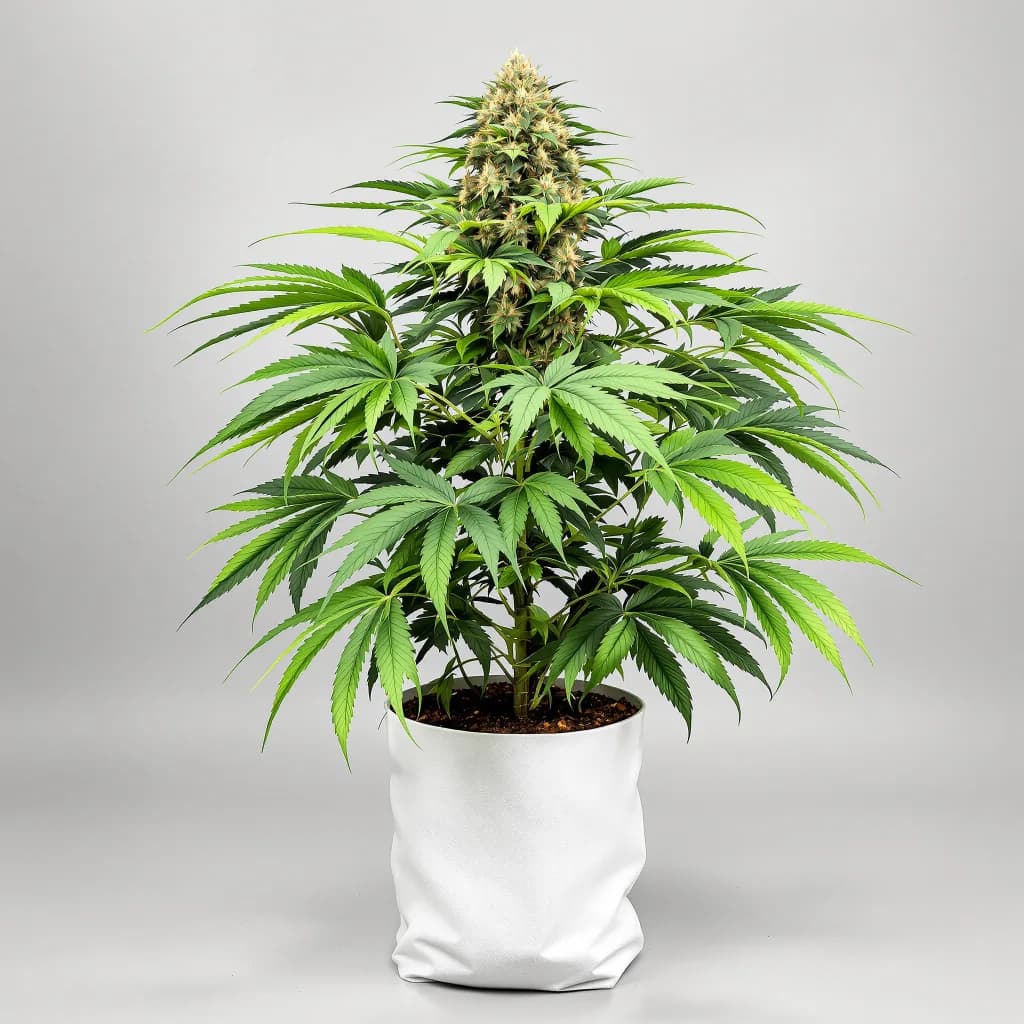
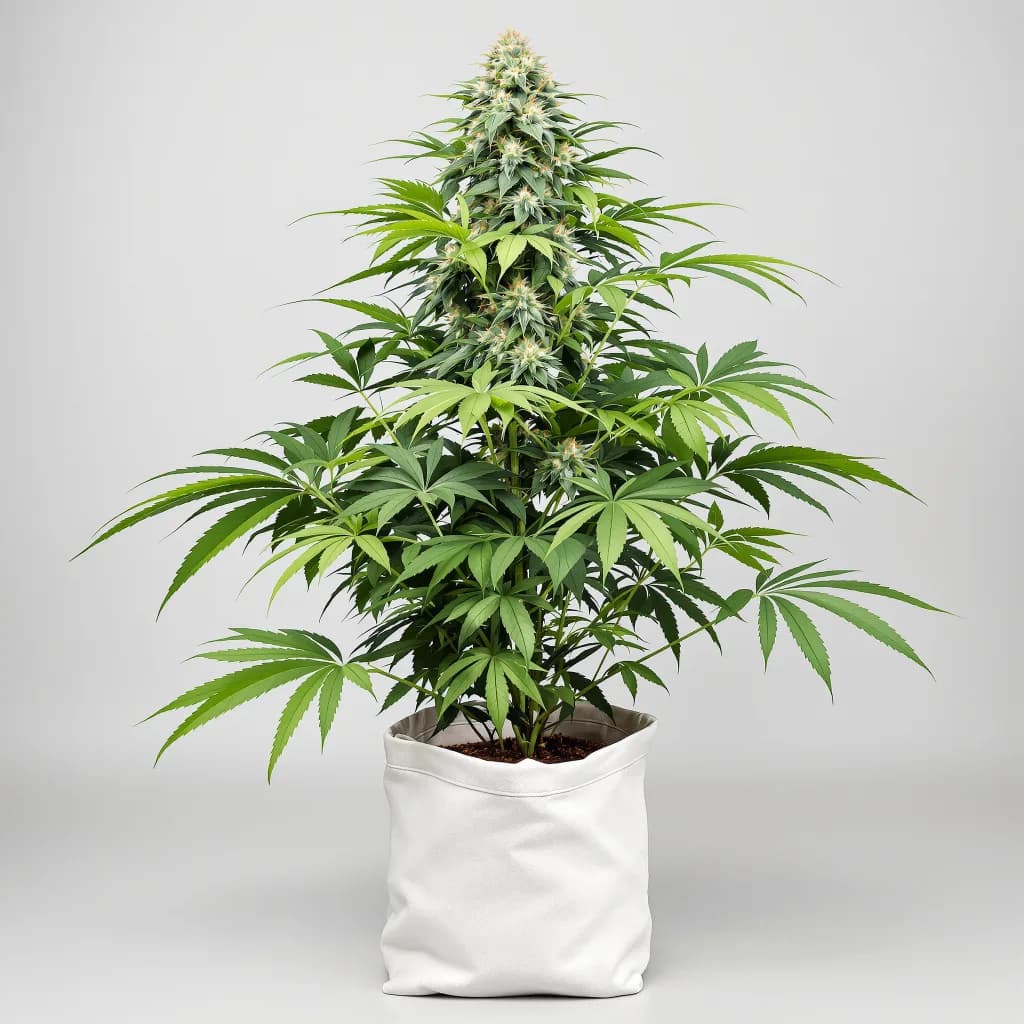
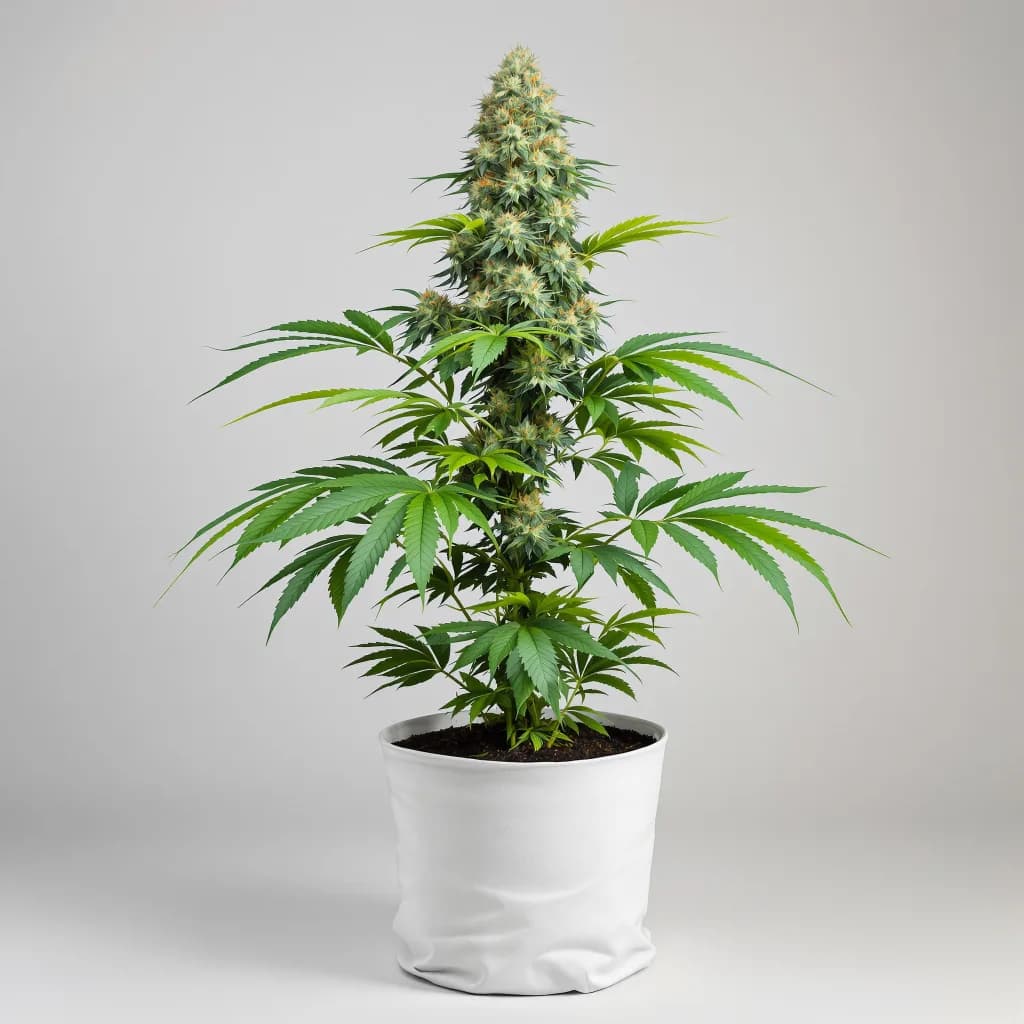
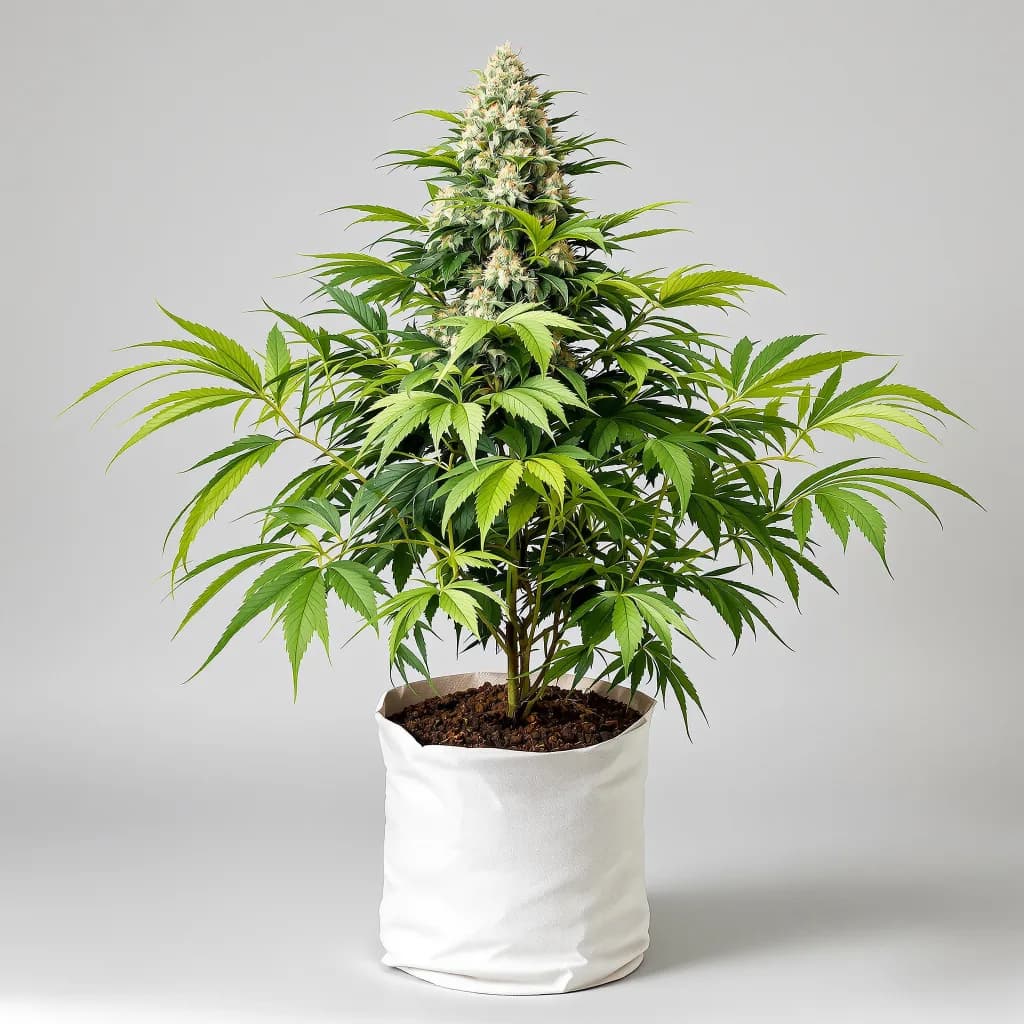
Feminised Indicas — 608 Varieties You Control the Flowering On
608 varieties that wait for the light to change. Indoors that hands you the size of the plant: vegetate four weeks for something compact, eight for something that fills a tent, and expect it to add another half again after the flip. Outdoors here the calendar decides instead, with flowering beginning as the days shorten from late January. The group runs 608 indica-leaning.
Also worth a look: all indica seeds including regular and autoflowering lines, the full feminised range across every strain type, and Kush seeds the heritage behind most of these.
608 strains available
What this shelf holds
608 varieties sit on this shelf right now, and the THC figures on their listings run from 2% up to 33%, with the middle of the group at 20%. Counted from the catalogue when this page was built, so it matches the grid below.
- Photoperiod, all female: 608 of them (100%). You choose when they flower, and they carry the most weight per plant.
- Indica-leaning: 608. Short and wide, quicker to finish, and usually myrcene-forward.
- First three alphabetically: 3X Crazy, 41 Cherries and 501st OG. The grid below filters on finishing time, height and type.
Feminised Indicas — Browse All Strains
The Composition of This Group
Of the 608 varieties here, 608 lean indica (100%). None are autoflowering — all 608 need shortening light to start flowering, which outdoors happens on its own as the New Zealand summer ends. The mean listed THC across the group is about 20%, which is a genetic ceiling rather than a guarantee — the figure a plant actually reaches depends on light, feeding and harvest timing. These counts are read from the catalogue when the page is built, so they move when stock moves and cannot drift away from what is listed below.
Region Makes More Difference Than Strain Choice
Thirteen degrees of latitude separate the top of the country from the bottom, which is why a single national growing calendar is close to useless here. Auckland gives you mild winters and a long season, usually grown on small urban sections where plant height is the limit. the Waikato, by contrast, gives you heavy autumn dews and morning fog that sit in dense flower long after sunrise. Read the flowering window on any variety you plan to grow outside against your own first-frost date, not against a national average. What actually costs people a crop here is a damp March rather than a cold one: moisture sitting in packed flower is where rot starts, and spacing plants properly is a cheaper fix than anything you can spray on afterwards.
The Flip Decision
Everything about growing a photoperiod plant reduces to one choice: when to shorten the light. Flip early and you get a small plant that finishes sooner. Flip late and you get a large plant that may not fit the space or the season. Indoors, most growers flip at roughly half their final height allowance, because the stretch that follows adds 50 to 100% more. Outdoors in New Zealand the decision is made for you around late January as the days shorten, which is why the useful question outside is not when to flip but whether the finish lands before your first frost. All 608 varieties in this category work this way; none of them will flower on age alone.
Frequently Asked Questions
What is in the Feminised Indicas category?
How long can I vegetate before flipping?
Do these need a light-proof space?
What does delivery cost and how long does it take?
Ordering These
Prices are in New Zealand dollars with GST included and no card surcharge. Orders over $150 NZD ship free, everything goes out in plain unbranded packaging with NZ Post tracking, and we ship to New Zealand addresses only.
Nearby Shelves
Still narrowing it down?
Six questions will cut this list to a handful, or the calculator will tell you what the space can carry.