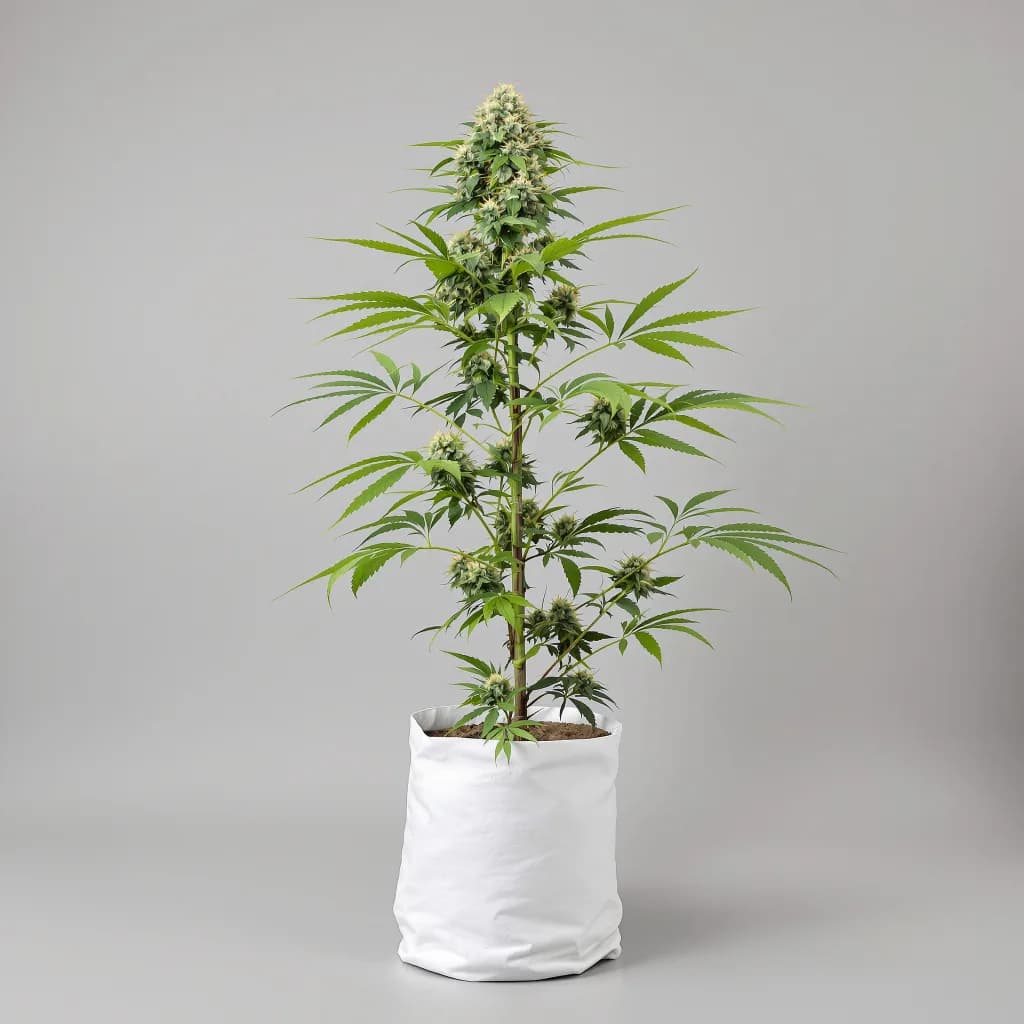
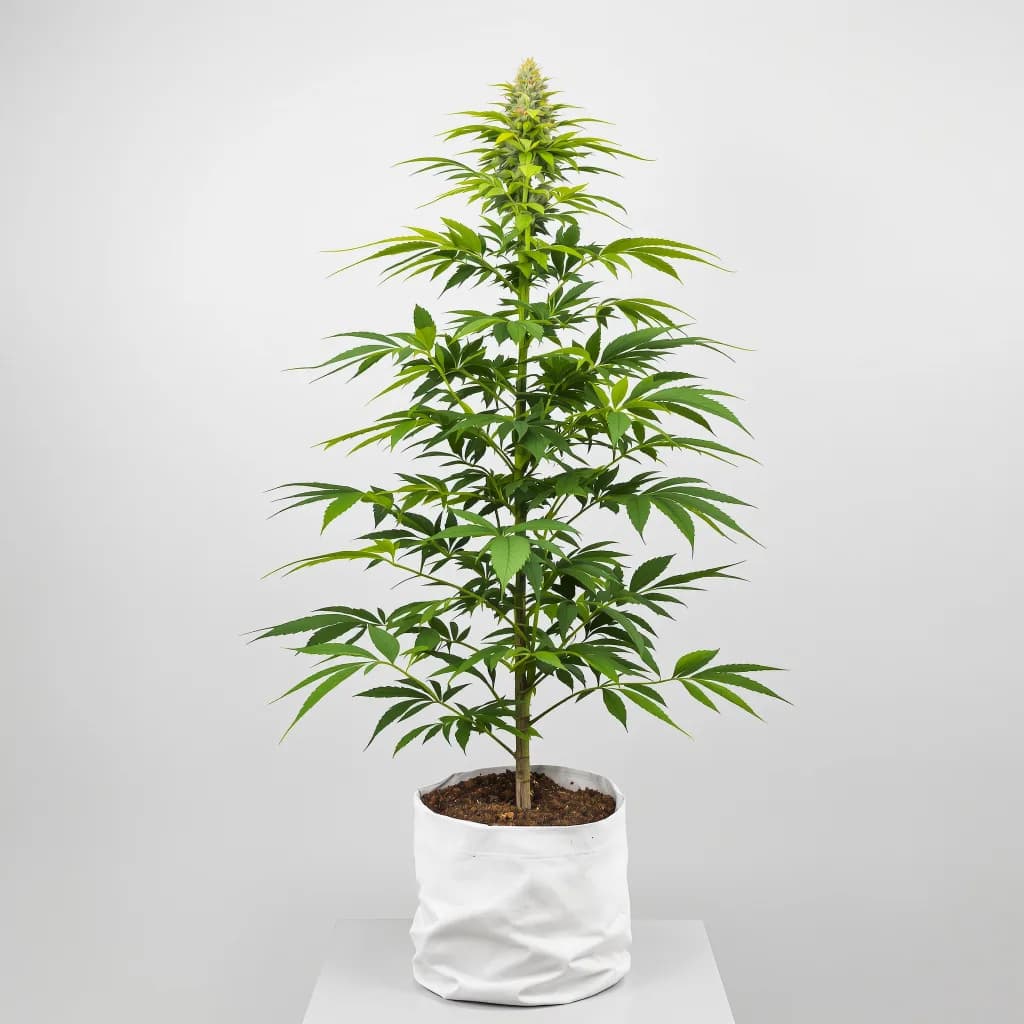
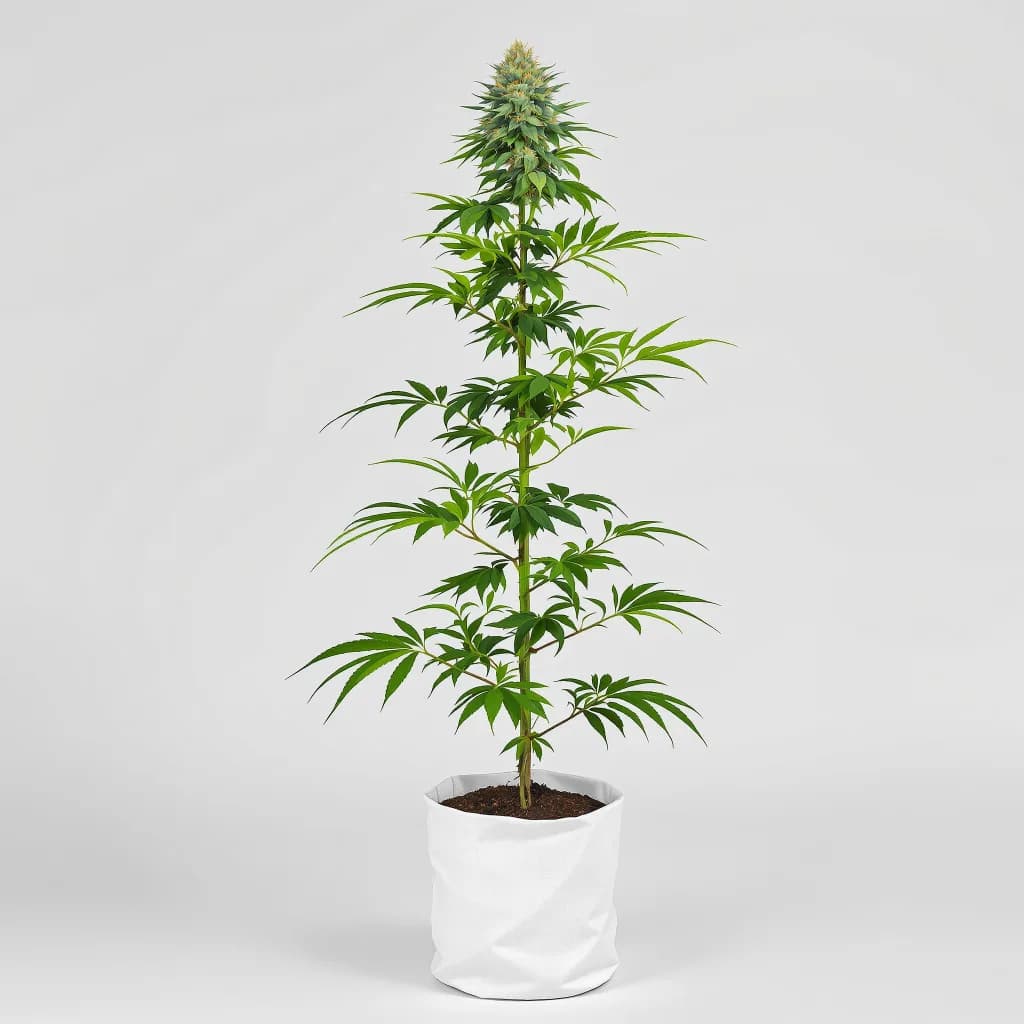
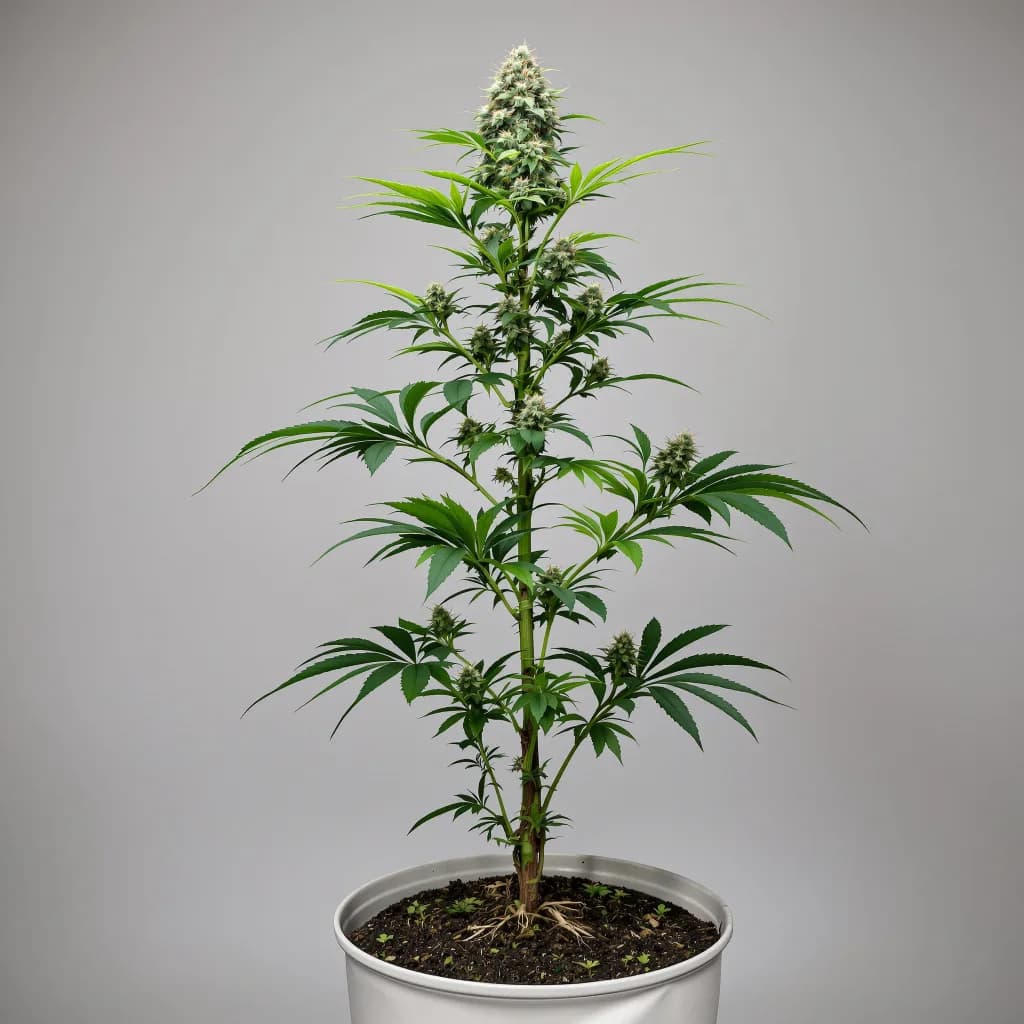
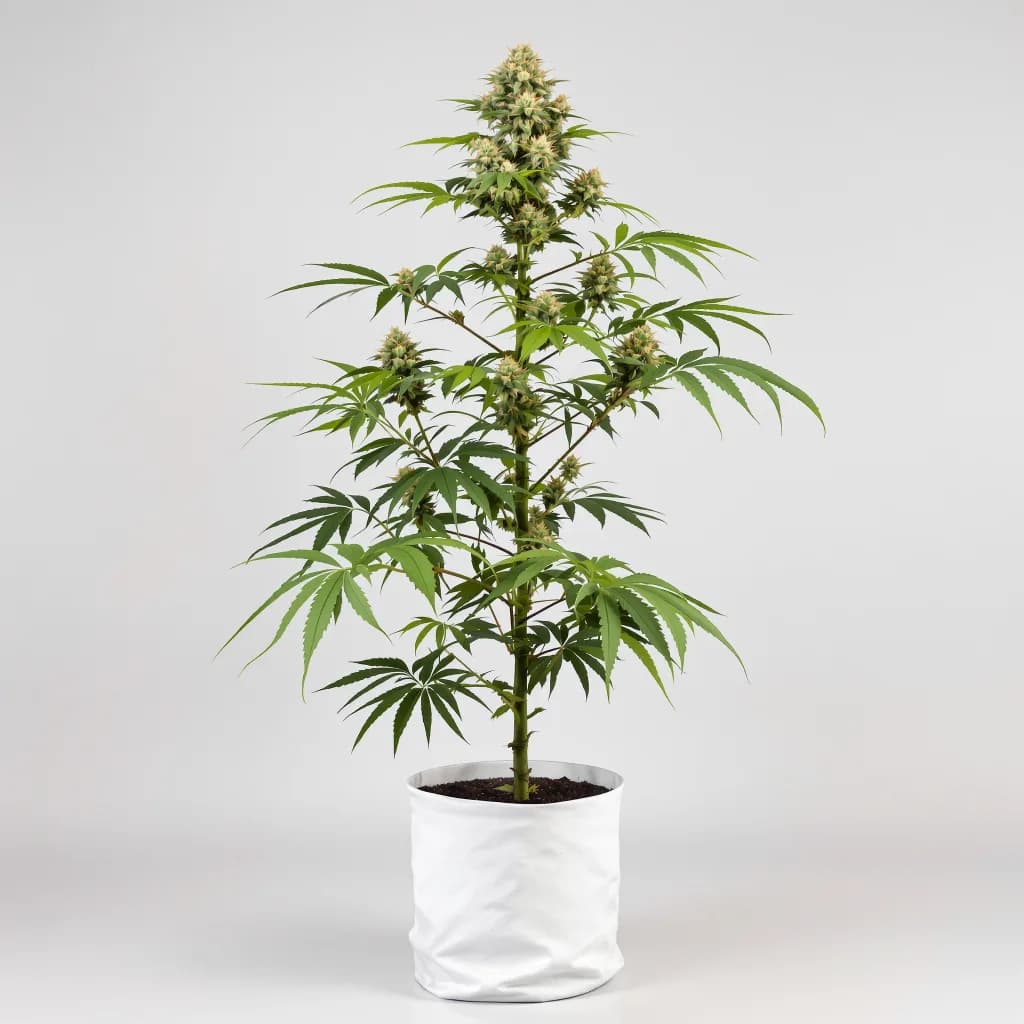
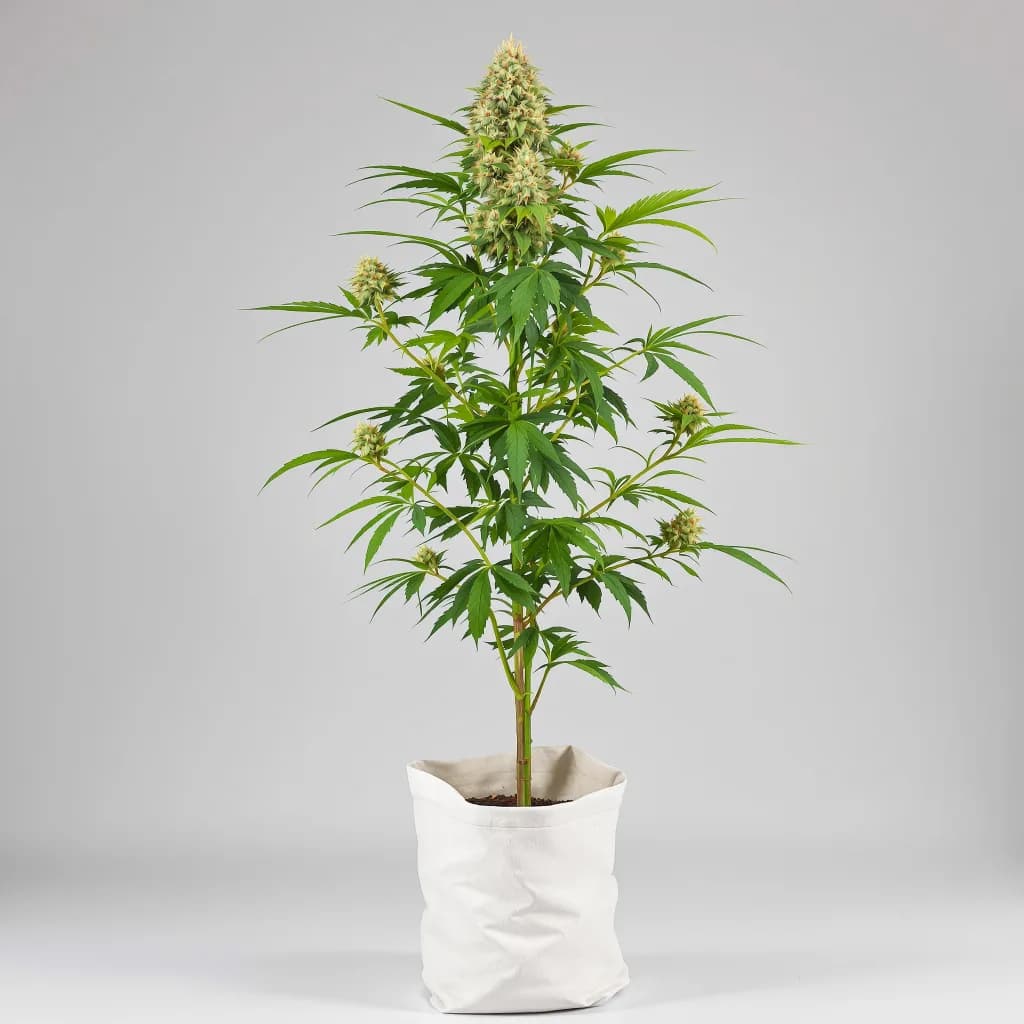
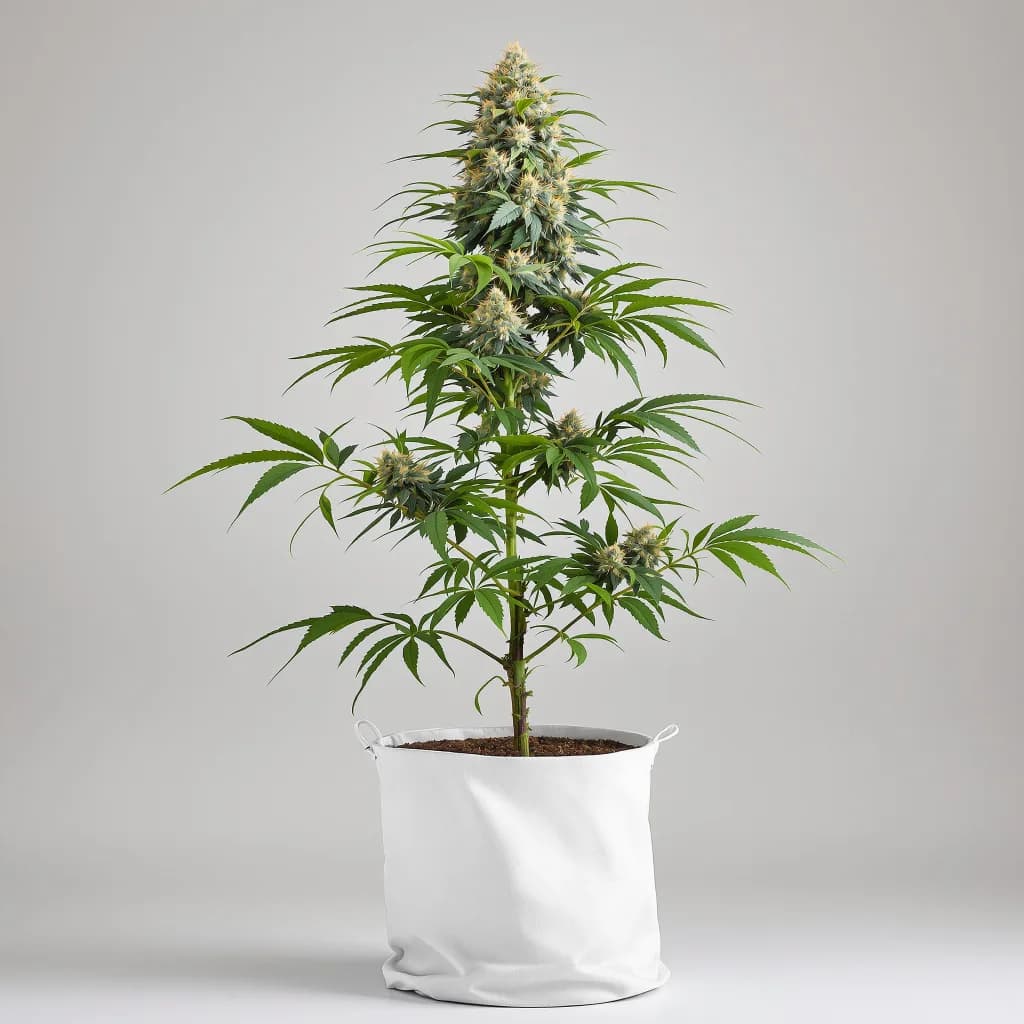
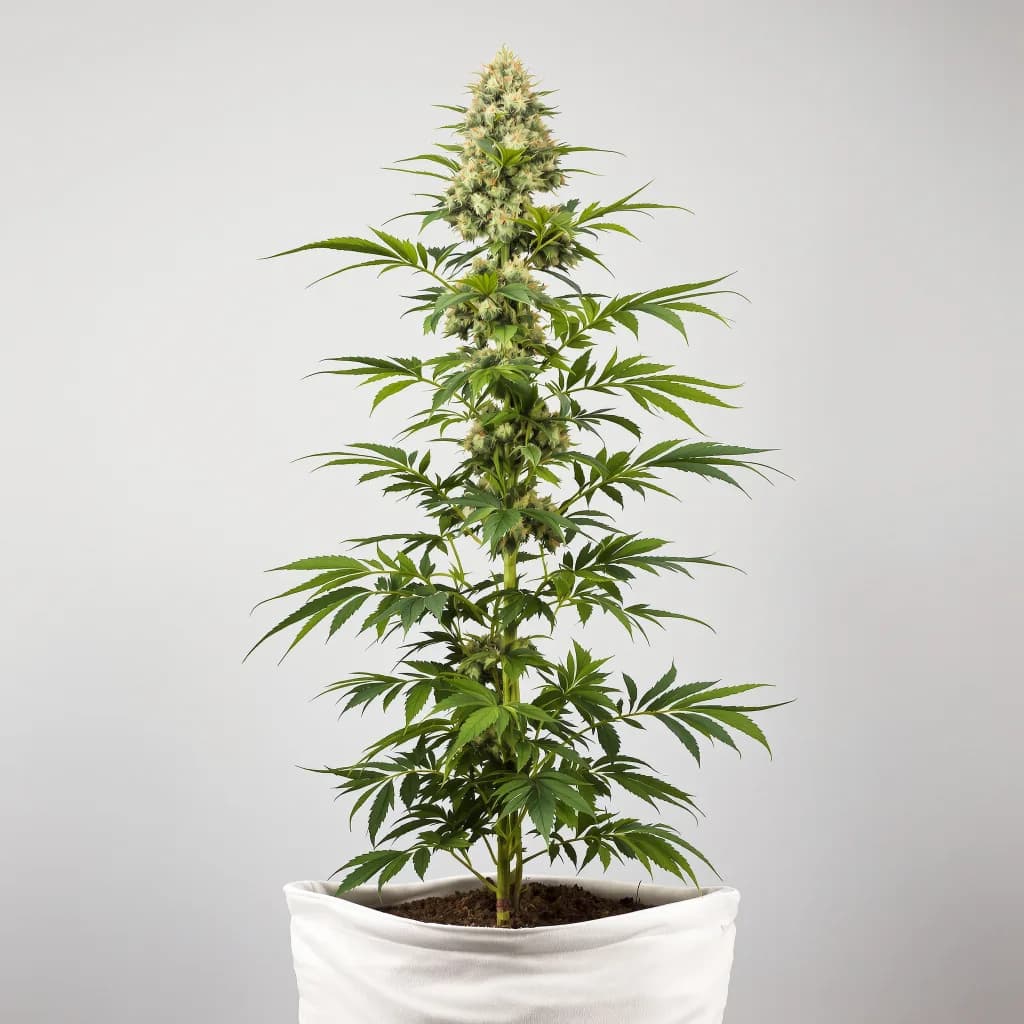
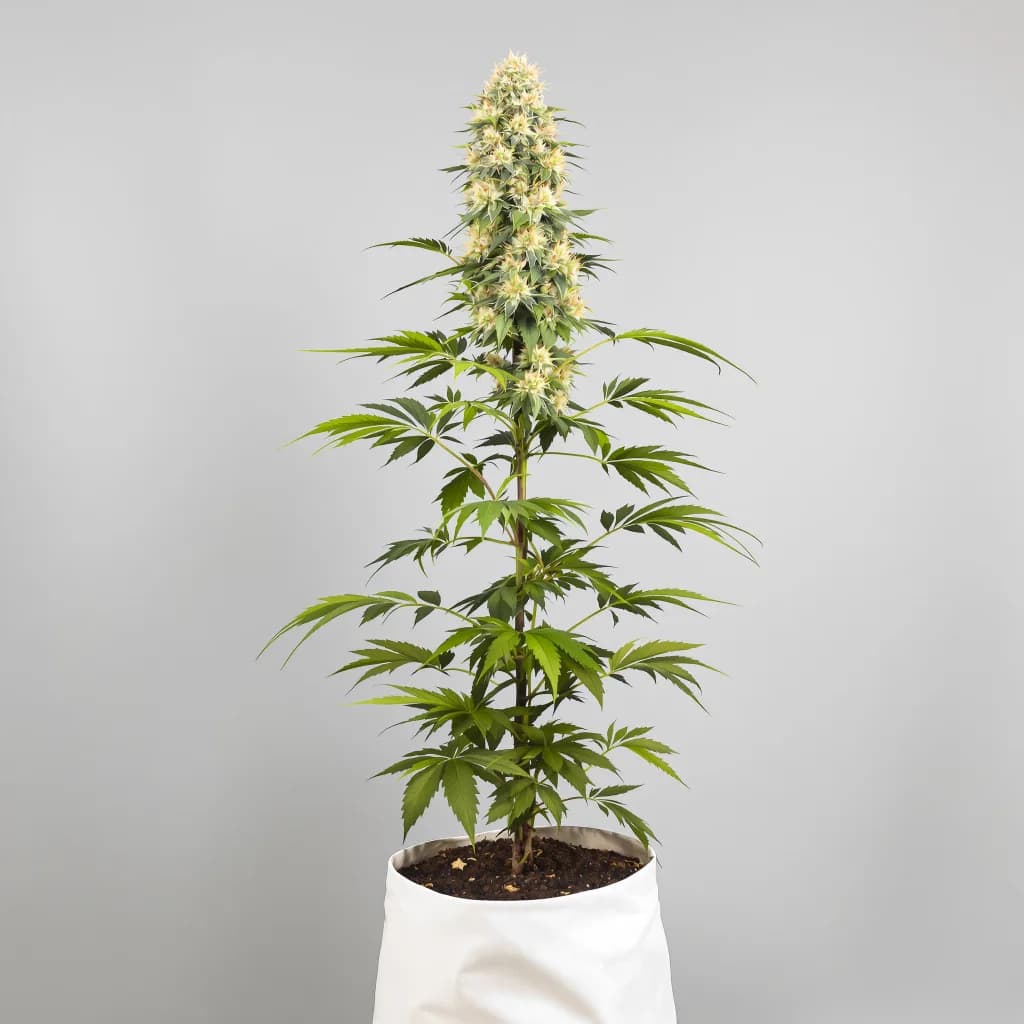
Feminised Hybrids — 416 Varieties You Control the Flowering On
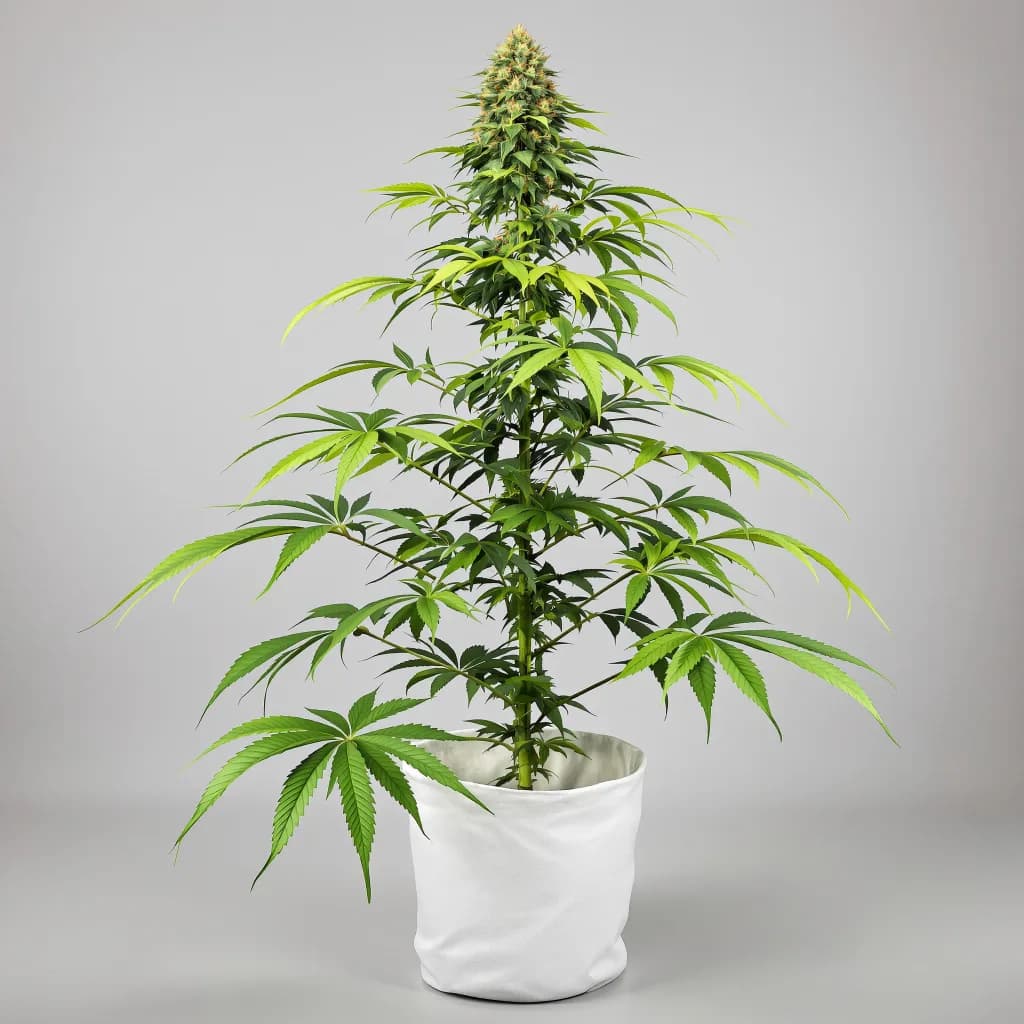
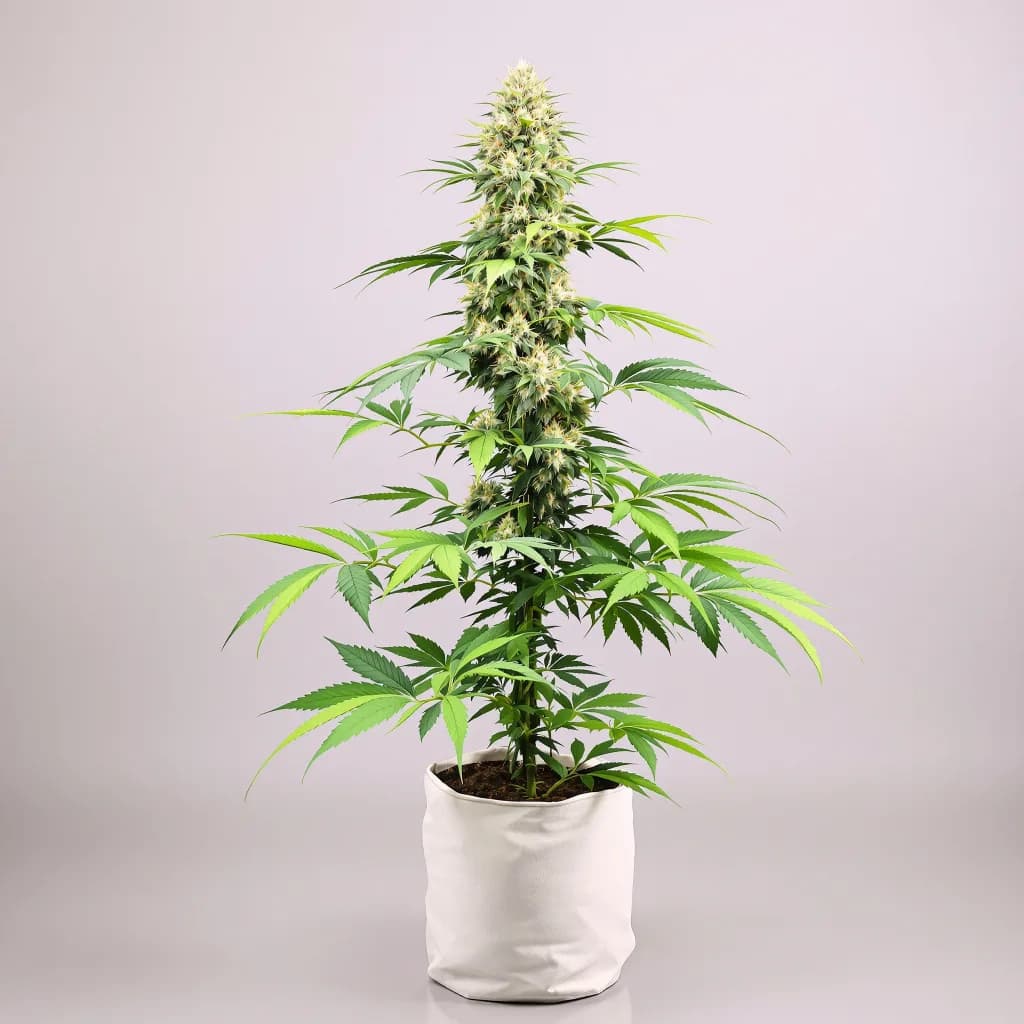
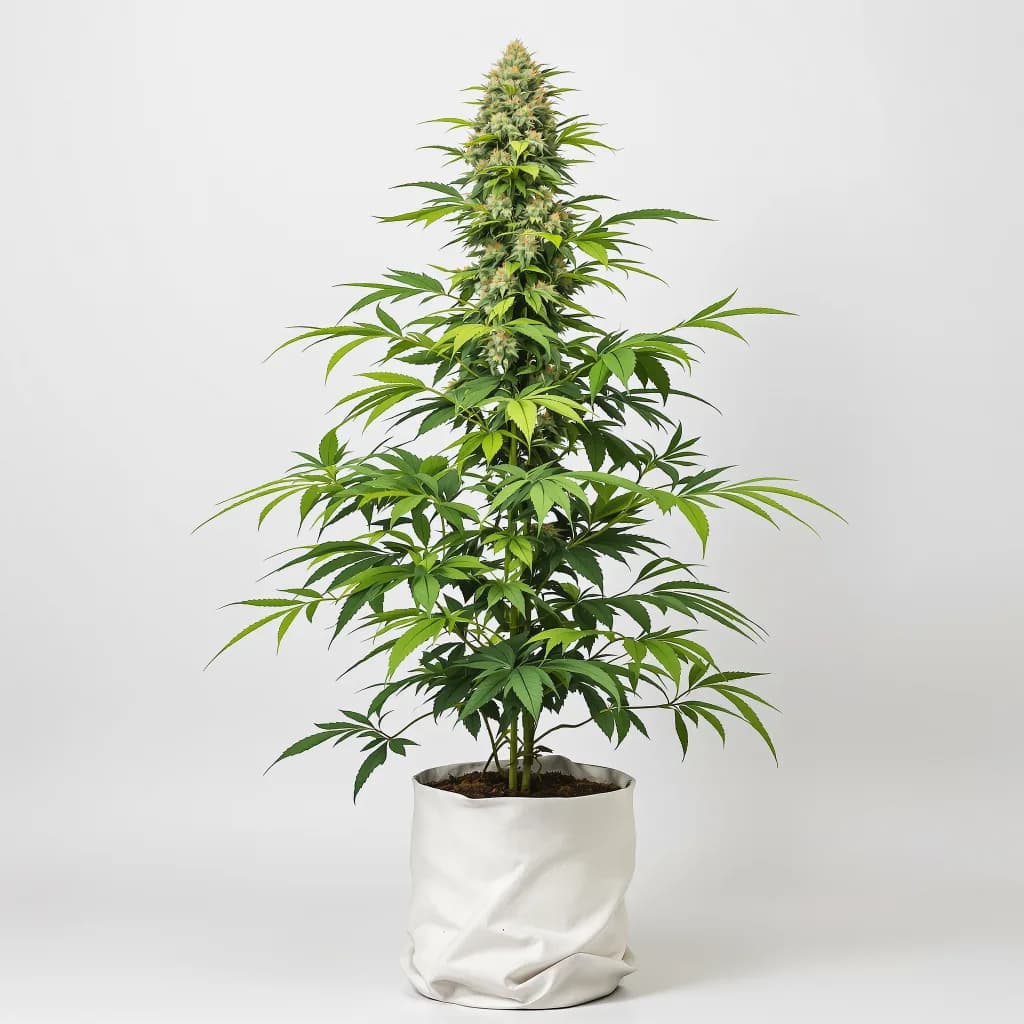
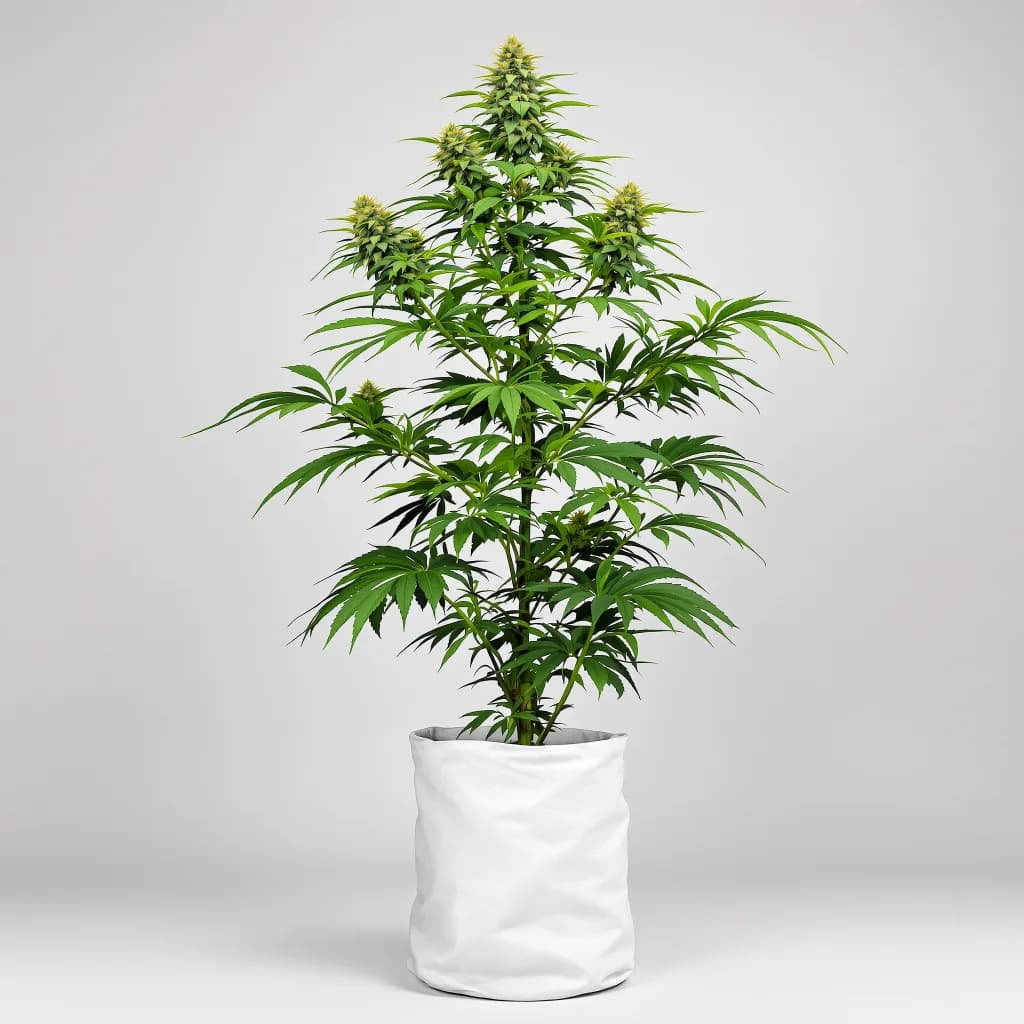
416 photoperiod plants, which means you decide when they flower and therefore how large they get. Outdoors in New Zealand that decision is made for you as the autumn light shortens, so the real question is whether your first frost arrives before the plant finishes — a question with a very different answer in Northland than in Central Otago. Indoors it is simply a timer. The split here runs 416 balanced hybrid.
Also worth a look: all feminised seeds for the full female-only range, hybrid seeds including regular and autoflowering hybrids, and autoflowering hybrids for the same cross on a fixed clock.
416 strains available
What this shelf holds
416 varieties sit on this shelf right now, and the THC figures on their listings run from 1% up to 33%, with the middle of the group at 21%. Counted from the catalogue when this page was built, so it matches the grid below.
- Photoperiod, all female: 416 of them (100%). You choose when they flower, and they carry the most weight per plant.
- Balanced crosses: 416. Somewhere between the two, and generally the easier grow for it.
- First three alphabetically: $100 OG, 13 Dawgs and 24k Gold. The grid below filters on finishing time, height and type.
Feminised Hybrids — Browse All Strains
What Is Actually in This Category
Of the 416 varieties here, 416 sit as balanced hybrids (100%). None are autoflowering — all 416 need shortening light to start flowering, which outdoors happens on its own as the New Zealand summer ends. The mean listed THC across the group is about 21%, which is a genetic ceiling rather than a guarantee — the figure a plant actually reaches depends on light, feeding and harvest timing. These counts are read from the catalogue when the page is built, so they move when stock moves and cannot drift away from what is listed below.
Growing This Category Outdoors in New Zealand
New Zealand spans roughly 34 to 47 degrees south, and the outdoor season at one end of that range looks nothing like the other. Northland gives you the longest outdoor season in the country, paid for with subtropical humidity through the autumn finish. Auckland, by contrast, gives you mild winters and a long season, usually grown on small urban sections where plant height is the limit. Read the flowering window on any variety you plan to grow outside against your own first-frost date, not against a national average. The variable that ends most New Zealand outdoor grows is not cold and it is not light — it is botrytis in dense flower during a wet autumn, so airflow, spacing and an honest finishing date do more for a harvest than any nutrient decision.
Controlling Size and Timing on Photoperiod Plants
The advantage of a photoperiod plant is that you decide when it stops growing and starts flowering, and the cost is that you have to decide. Indoors, vegetate until the plant occupies roughly half the height you can afford, then flip to twelve hours of darkness — most varieties add 50 to 100% more height after the switch, and running out of headroom in week three of bloom is the most common way an indoor grow goes wrong. Topping or FIM around the fourth node spreads the canopy so light lands on more sites. Outdoors, the light does the switching for you as the New Zealand summer shortens, typically from late January, which makes your first frost date the real deadline. All 416 varieties in this category work this way; none of them will flower on age alone.
Frequently Asked Questions
What is in the Feminised Hybrids category?
Can I keep a mother plant from these?
How long can I vegetate before flipping?
Do you ship anywhere outside New Zealand?
Ordering These
Prices are in New Zealand dollars with GST included and no card surcharge. Orders over $150 NZD ship free, everything goes out in plain unbranded packaging with NZ Post tracking, and we ship to New Zealand addresses only.
Nearby Shelves
Still narrowing it down?
Six questions will cut this list to a handful, or the calculator will tell you what the space can carry.