Cal Mag Fertilizer NZ: Getting It Right Without Overcomplicating It
Royal King Seeds
Cultivation team
If you are growing in coco coir, or feeding with rainwater or reverse osmosis water under strong LEDs, you need a cal mag product in the mix from the very first feed. If you are in a decent bagged potting mix watered from a hard town or bore supply, you almost certainly do not, and adding one anyway is one of the more common ways New Zealand growers create the exact deficiency they were trying to avoid.
That is the whole answer. The rest of this is about telling those two situations apart in your own shed or backyard, reading the leaf properly when something does go wrong, and knowing what is actually worth buying when half the bottles on the shelf are selling you calcium you already have.
Cal mag is mostly calcium, and that changes how you think about it
Open a cal mag label and the headline ingredient is calcium nitrate, with magnesium in a smaller share, usually as magnesium nitrate or magnesium sulfate. Many also carry chelated iron. The name suggests a balanced two-part supplement; in practice you are buying a calcium feed with a magnesium top-up riding along, plus a little nitrogen you need to account for in your total feed.
Why calcium dominates: plants use a lot of it, and they use it in a way that makes shortages structural rather than cosmetic. Calcium is the mortar in cell walls. It barely moves once it is deposited, so a plant cannot rob an old leaf to build a new one the way it can with nitrogen or magnesium. Run short and you see it in the newest growth at the top, and the damage you see is permanent on those leaves.
Magnesium does the opposite. It sits at the centre of every chlorophyll molecule and it is mobile, so a plant short of magnesium strips it out of the oldest fan leaves and sends it upwards. That is why the two deficiencies in a single bottle's name show up at opposite ends of the plant, and why lumping them together as one problem makes diagnosis harder than it needs to be.
Your water source decides this before your nutrient line does
Before you compare brands, find out what is already in the water you pour. This single piece of information settles the cal mag question for most growers, and it is free to look up.
Rain tanks and RO: nothing in, so everything must go in
Rainwater off a roof is close to blank. So is RO. There is no background calcium or magnesium, which means your base nutrient has to supply the lot — and most two and three-part base nutrients are formulated assuming a bit of hardness in the source water. If you are on tank water, which is a lot of rural Northland, the Coromandel, the West Coast and anywhere off reticulated supply, cal mag is not an optional extra. It is part of the base feed, mixed in first, before anything else goes in the bucket.
Town and bore supply: check before you add
New Zealand water hardness varies enormously by region, and your council publishes the analysis. Supplies drawn from limestone and gravel aquifers — much of Canterbury, parts of Hawke's Bay and Waikato bore water — tend to run hard, carrying meaningful dissolved calcium and magnesium before you add anything. Supplies drawn from surface catchments, which covers a lot of Auckland and Wellington, tend to be soft.
The practical consequence: a Christchurch grower on bore water who doses cal mag at label rate through a whole cycle is stacking calcium on top of calcium. Excess calcium antagonises potassium and magnesium uptake, so the outcome looks like a magnesium deficiency, which tempts people into adding more cal mag. That loop is miserable and entirely avoidable.
- Look up your supply. Search your council's drinking water quality report for calcium, magnesium and total hardness.
- Buy a cheap EC meter. If your tap water reads well above zero before you add nutrient, that reading is dissolved minerals, and a good chunk of it is calcium.
- Mix cal mag first. If you are using it, it goes into plain water and gets stirred before base nutrients, to avoid calcium reacting with sulfates and phosphates at high concentration and dropping out as a white sludge.
- Count the nitrogen. Cal mag adds nitrogen. In late flower, that matters — it can keep a plant greener and leafier than you want going into a damp autumn.
If you want a sanity check on total feed strength once cal mag is in the mix, run the numbers through the nutrient dosing calculator rather than eyeballing it.
Coco coir is the one medium where this is non-negotiable
Coco is not inert in the way people say it is. The fibre carries a cation exchange capacity, and its exchange sites arrive loaded with potassium and sodium. When you first feed, those sites swap: your calcium and magnesium go onto the coco, and potassium comes off into your solution. The plant gets a potassium spike and a calcium shortfall at the same time, which is precisely why coco growers see the same leaf symptoms in week two of every run.
Buffered coco from a reputable supplier has already had this done at the factory, soaked in a calcium solution so the exchange sites are full before it reaches you. Cheap compressed blocks often have not. Either way, coco still runs leaner in calcium through the whole cycle than soil does, so cal mag stays in the feed from seedling to flush.
Peat-based soilless mixes sit in between. They are usually limed by the manufacturer, which covers calcium and often magnesium for the first month or so, after which heavy feeding and frequent watering wash it through. A well-made New Zealand potting mix with dolomite and agricultural lime already blended through will usually carry a photoperiod plant most of the way to flower without any supplement at all.
Reading the leaf: calcium shows up top, magnesium shows up bottom
This is the part worth memorising, because it saves you from treating the wrong thing.
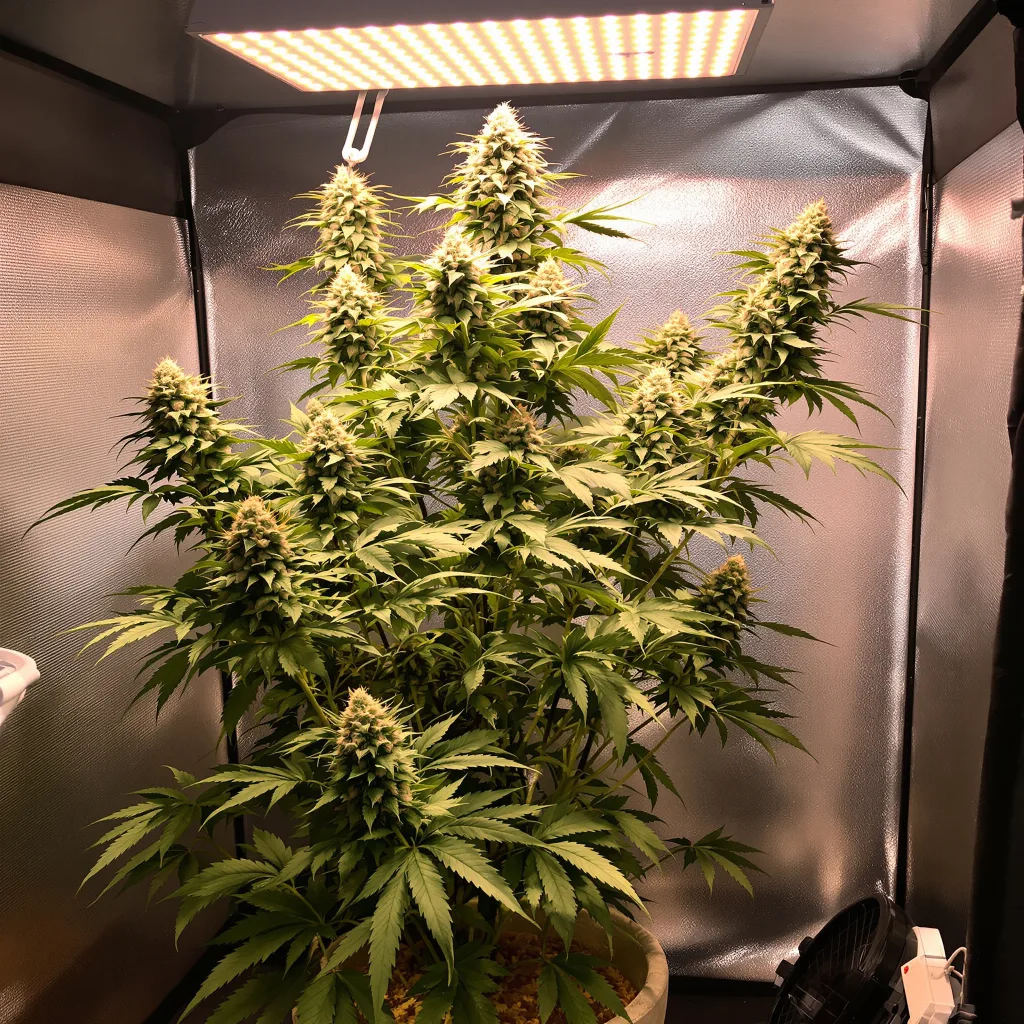
Calcium deficiency appears in new growth. Young leaves at the tops come through small, distorted or crinkled, with rusty brown necrotic speckles scattered across the blade rather than concentrated at the margins. Growing tips can hook or die back. Stems feel weak and snap easily under training. In flower, you may see calcium-starved plants throw soft, airy bud sites at the tops while everything below looks fine.
Magnesium deficiency starts at the bottom. Older fan leaves yellow between the veins while the veins themselves stay distinctly green — a fishbone pattern. Leaf edges often curl upward. Left alone it climbs steadily up the plant. A bit of lower-leaf magnesium fade in the last fortnight of flower is normal senescence and nothing to chase. The same pattern appearing in week three of flower, and climbing, is a real shortfall.
One more distinction worth holding onto: if the top of the plant is affected, think calcium, mobility and water movement. If the bottom is affected, think magnesium, and consider that the plant may be rationing a limited supply.
Three problems that look exactly like this and are not
Cal mag is oversold partly because so many unrelated issues produce the same symptoms. Before you add anything, rule these out.
- pH drift. Calcium and magnesium both become harder to take up as the root zone drifts low. In soil, hold roughly 6.2 to 6.8. In coco and hydro, roughly 5.5 to 6.2. A plant sitting at pH 5.0 in coco will show textbook calcium deficiency with a full tank of calcium in the reservoir. Fix the pH first and the symptoms often stop spreading within a few days.
- Light burn. Modern LED panels run hard, and leaves directly under the fixture can bleach and speckle in a way that reads as calcium damage. The tell is position: light burn tracks the footprint of the lamp and worsens at the centre, while a deficiency follows the plant's own structure regardless of where the light falls.
- Potassium excess. Bloom boosters are potassium-heavy, and potassium competes with both calcium and magnesium at the root. Growers who pile on a PK additive in week five and then watch the lower leaves yellow usually do not have a magnesium problem. They have too much potassium.
Checking runoff EC tells you which way to move. If runoff reads well above what you fed in, the root zone is loaded and the fix is plain water or a lighter feed, not another supplement. If runoff reads lower than input, the plant is genuinely consuming faster than you are supplying, and a cal mag addition is justified.
A damp New Zealand autumn can starve a plant of calcium that is sitting right there
Calcium does not get pumped around the plant. It travels upward in the transpiration stream, carried along by water moving out through the leaves. When transpiration slows, calcium delivery slows with it, regardless of how much is in the pot.
That matters here more than it does in a dry climate. Our autumn arrives humid. Through March and April, a run of still, overcast, 90 percent humidity days in Auckland, the Bay of Plenty or the West Coast will slow transpiration right down, and outdoor plants can show calcium symptoms in new growth during exactly the period when they need strong cell walls most.
Adding more cal mag to the soil achieves very little in that situation. What helps is air movement around the canopy, enough leaf removal to let the plant breathe, and a shorter exposure window — which comes back to choosing something that finishes before the worst of it.
Indoors, the same principle runs the other way. A sealed tent with a strong LED, warm leaf temperatures and a wide vapour pressure deficit pushes transpiration hard, and plants in that environment pull calcium through fast. Growers running high-intensity fixtures in a well-ventilated tent are the ones most likely to need cal mag even in soil, which catches people out when they switch from an older lamp and suddenly see rusty speckling they never had before. If you are putting a new fixture over a tent, the cultivars in our indoor-suited cannabis seed range are a reasonable place to start, but expect your feed to need recalibrating along with the light.
Dosing, and the cheaper fixes already on a New Zealand shelf
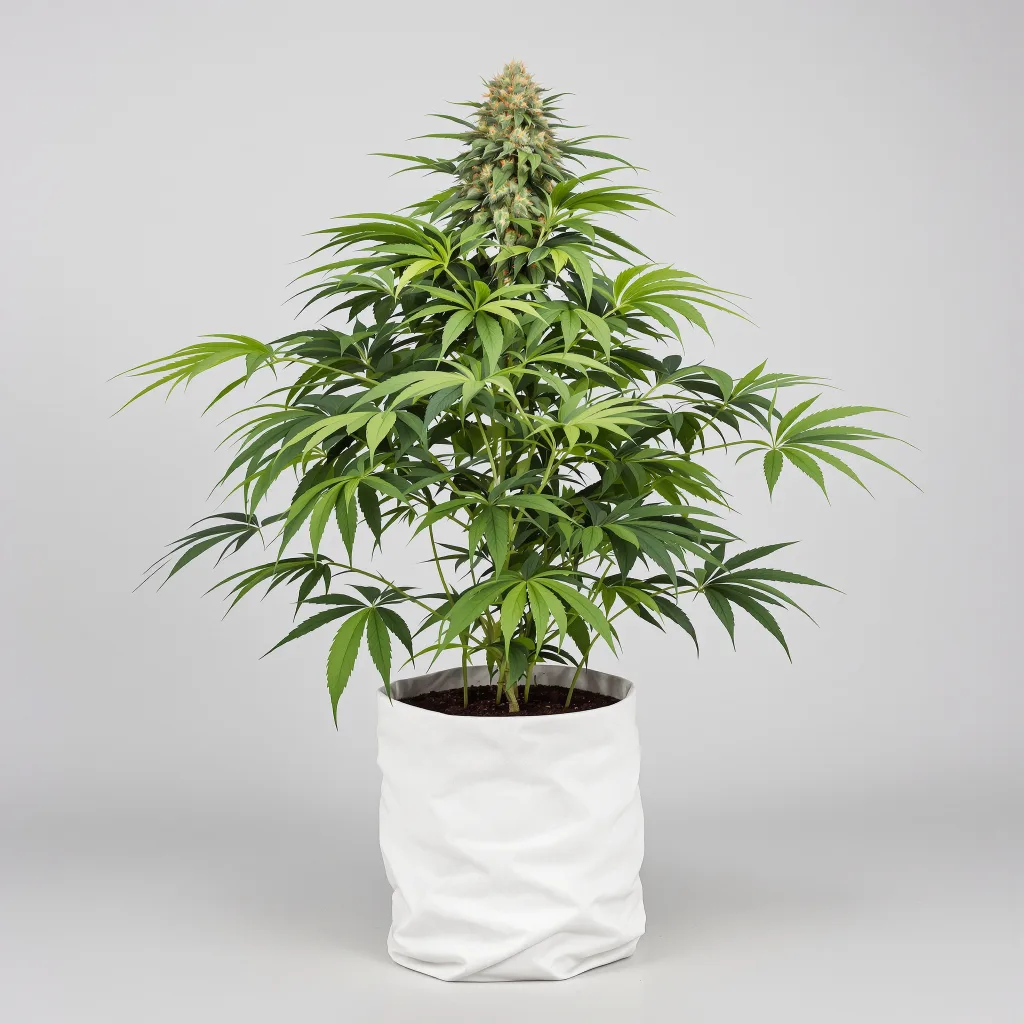
Most cal mag products are labelled somewhere around 1 ml per litre. Start at half that and move up only if symptoms continue, because the cost of overdoing calcium — potassium and magnesium lockout, rising EC, lush late nitrogen — is worse than the cost of being slightly short for a week. In coco, run it in every feed at a steady low rate rather than dosing heavily when you notice a problem.
A dedicated cal mag bottle is not the only tool, and for some situations it is the wrong one:
- Epsom salts (magnesium sulfate) are cheap, available at any pharmacy or garden centre, and fix magnesium alone without adding calcium or nitrogen. Useful when you are on hard water and genuinely short of magnesium. Keep the rate under a gram per litre as a root drench and watch your EC.
- Gypsum (calcium sulfate) adds calcium to soil without shifting pH upward. Good for outdoor beds where a lime addition would push an already alkaline soil further.
- Dolomite lime supplies calcium and magnesium together and raises pH. It is slow — it belongs in the bed in late winter or early spring as you prepare, not as a mid-season rescue.
- Agricultural lime is calcium only, also slow, also a pH riser. Same timing logic.
For outdoor growers, the honest summary is that most cal mag issues in a well-prepared garden bed are solved in September with a bag of dolomite and a soil test, not in March with a bottle. Container growing is where the bottle earns its place.
Autoflowers leave you less room to get this wrong
A photoperiod plant that loses two weeks to a deficiency can be fixed and given another month to make it back. An autoflower cannot. It runs on age, so a fortnight of stalled growth in week four is a fortnight permanently removed from the plant's life, and the yield reflects it.
Autos are also disproportionately grown in coco or light soilless mixes in containers, by people who want speed. That is the exact combination that produces calcium shortfalls. If you are running autos, set your feed conservatively from day one, include cal mag if your medium or water calls for it, and resist the urge to escalate every time a lower leaf fades. The spread of flowering windows across the auto range shows how tight that recovery margin really is.
422 of 422 varieties in this category publish a flowering time. Counted from the catalogue when this page was built.
Three cultivars that illustrate the range of feeding demands — a vigorous feminised photoperiod, a flavour-led hybrid, and a quick auto that gives you no second chances:

If you are weighing a long-cycle photoperiod against an auto for a coco tent, the differences in height, flowering window and yield are where the feeding plan really diverges — a taller plant with a longer stretch places a bigger calcium demand on the fortnight after the flip.
| Apple Betty Feminised | Blue Haze Auto | |
|---|---|---|
| Type | Photoperiod | Autoflowering |
| Lean | Hybrid | Indica |
| Listed THC | 33% | 20% |
| Flowering | 8-9 weeks | 55-65 days |
| Height | Up to 130 cm | Short |
| Indoor yield | 450 g/m2 | up to 500 g/m2 |
| Outdoor yield | 550 g/plant | up to 400 g/plant |
| Difficulty | Easy | Intermediate |
| Price from | $25.19 | $21.59 |
Published germination data, cannabinoid figures and terpene panels for each sit on the individual reports, such as the Blue Haze Auto genetics report, and the full catalogue of autoflowering seeds is worth a look if speed matters more to you than size.
Questions New Zealand growers actually ask about cal mag
Do I need cal mag if I'm on Christchurch bore water?
Probably not, and possibly not at all. Canterbury groundwater typically runs hard with dissolved calcium already present, so a full label dose stacks on top of what your tap supplies. Check your council's water analysis, measure your tap EC, and if you do see a magnesium pattern on lower leaves, reach for Epsom salts rather than a full cal mag product so you are not adding more calcium.
My lower leaves are yellowing between the veins in week six of flower. Is that magnesium?
It might be, but late-flower lower-leaf fade is also just the plant moving stored nutrients into the buds, which is normal and nothing to fight. The test is whether it is climbing. If it is confined to the bottom third and stable, leave it. If it is moving up the plant week by week, check your pH first, then your potassium additives, then consider magnesium.
Can I use cal mag with my rainwater tank straight off the roof?
Yes, and on tank water you should plan on it. Rainwater carries essentially no calcium or magnesium, so your base nutrient is working from zero. Mix the cal mag into plain water first and stir it through before adding base nutrients, or you risk calcium reacting with the phosphates and sulfates in concentrate and precipitating out.
Will cal mag help with bud rot in a damp autumn?
Not directly. Calcium strengthens cell walls, which is a genuinely good thing, but a wet Waikato April will rot a dense bud regardless of how well fed it is. Airflow, bud structure and finishing early are what move the needle there — pick something that comes down before the weather turns, using the strain finder to filter by flowering window, and treat feeding as a supporting detail rather than the fix.
Is an expensive cal mag better than a cheap one?
Mostly what you are paying for is the chelated iron and the consistency of the mix. The calcium nitrate and magnesium sulfate doing the actual work are commodity inputs. Buy something with a clear analysis on the label so you know how much nitrogen you are adding, and spend the difference on an EC meter and a decent pH pen — knowing what is in your root zone is worth more than any bottle. There is more on reading plants and feeding them through our grower's blog.
Ready to Start Growing?
All 1,677 varieties, posted unbranded and tracked to both islands, each with whatever grow figures we could trace.
Shop Cannabis Seeds