Green Crack Strain in New Zealand: How the Crack Lineage Actually Behaves Here
Royal King Seeds
Cultivation team
Green crack strain genetics behave well in New Zealand for one reason above all others: the lineage is fast, and speed is the single most useful trait an outdoor plant can have south of about 38°S. The sativa-leaning structure that makes these plants stretch and sprawl also gives them open, airy bud that dries out between autumn showers instead of holding water in the middle of a cola — which matters far more in a Waikato April than raw flower density ever will.
That is the short answer. The longer answer is that "green crack" is now a family of related cultivars rather than one plant, and the version you choose changes almost everything about how your season runs. A photoperiod feminised expression planted in October behaves nothing like an autoflowering one started in December. Below is how each behaves from the top of Northland to the bottom of the South Island, and where each one stops making sense.
The crack lineage is a family, not a single plant
What growers talk about when they say green crack is a group of fast, energising, citrus-and-mango leaning sativa hybrids descended from a skunk-heavy line. Over the years that base has been crossed into afghan indicas, critical-type high-yielders, jack herer stock and auto-flowering ruderalis, and each cross pulls the plant in a different direction. The name stayed. The plant did not.
Four expressions of that lineage are relevant to a New Zealand grower, and they solve genuinely different problems:
- Afcrack Feminised — afghan brought into the crack line. Shorter internodes, sturdier frame, denser flower than a pure sativa expression. Handles wind better. Needs more airflow attention in late flower because the bud sites close up.
- God's Green Crack Auto — the autoflowering route. Runs on age rather than daylight, so it sidesteps the whole question of when your photoperiod plants will trigger.
- Critical Crack Feminised — the yield-focused cross. Bigger flowers, heavier branches, and therefore the one that demands the most botrytis vigilance in a damp autumn.
- Cracker Jack Feminised — jack herer influence, the most sativa-forward of the group in structure and in reported effect.
Type, listed cannabinoid figures, flowering windows and heights for each are on their individual pages rather than something to take from an article. Here they are side by side so the differences are visible at once:
| Afcrack Feminised | God's Green Crack Auto | Critical Crack Feminised | Cracker Jack Feminised | |
|---|---|---|---|---|
| Type | Photoperiod | Autoflowering | Photoperiod | Photoperiod |
| Lean | Hybrid | Hybrid | Sativa | Indica |
| Listed THC | 19% | 20% | 19% | 20% |
| Flowering | 50-70 days | 8–10 weeks from seed | 55-65 days | 56-63 days |
| Height | Short | 80–120 cm | 170–210 cm | 90-120 cm. Medium |
| Indoor yield | up to 450 g/m2 | 350–550 g/m² | 425–575 g/m² | 300 gr/m² |
| Outdoor yield | up to 450 g/plant | 400–600 g/plant | 450–650 g/plant | 300 grams |
| Difficulty | Easy | Easy | Easy | Beginner To Intermediate |
| Price from | $23.39 | $17.98 | $26.99 | $28.79 |
If you read nothing else about this family, read the flowering times in that comparison. It will decide your season more than anything on the label about aroma.
Southern Hemisphere timing: what your season actually looks like
Every green crack grow guide written overseas is six months out of step with you. Ignore any mention of planting in May or chopping in October. Here, the season runs:
- September — germinate indoors under a light or on a warm windowsill. Too early for most regions to go outside.
- October — seedlings out after your last frost. Coastal Northland and Auckland can be earlier; inland Canterbury and Otago should not be rushed.
- November to December — vegetative growth, and the window for any training you intend to do.
- Late December to January — daylight shortens past the trigger point and photoperiod plants begin to flower, with a stretch that on a sativa-leaning crack expression can be substantial.
- February to March — flower fill. Watch the weather, not the calendar.
- March to April — harvest for most of the family in most regions.
The month-by-month version, including the bits that shift by region, is worth having open beside you when you plan:
Timings shift with latitude — the north runs earlier and longer than inland Otago and Southland.
The thing to internalise is that flowering starts later here than new growers expect, and autumn closes in faster than they expect. A plant that begins flowering in early January and needs a long finish is landing in mid to late April. In Whangārei that is fine. In Alexandra it is a gamble you will lose more often than you win.
Why open bud structure beats yield in a New Zealand autumn
Botrytis — bud rot — is the defining outdoor risk in this country, not heat and not light stress. Our autumn arrives damp. Nights cool off, dew sits on the plant until mid-morning, and a dense cola that never fully dries becomes an incubator. You find it when a top starts to look slightly dull and grey, pull it apart, and the core is grey dust.
This is where the sativa-leaning members of the crack family earn their place. Looser flower, more space between bud sites, better internal airflow. Water moves through and off the plant instead of sitting in it. The denser, indica-influenced expressions in the same lineage will out-yield them on a good year and then lose half a plant to rot on a bad one.
Regionally, the risk is not evenly spread. The upper North Island — Northland, Auckland, the Bay of Plenty — carries high humidity right through the flowering window, and you should weight heavily towards open structure and an early finish. Gisborne, Hawke's Bay, Nelson and Marlborough are drier and sunnier through autumn, which buys you room to run a denser, higher-yielding plant. The West Coast is its own problem entirely: rainfall there makes any dense-flowered photoperiod a poor bet outdoors, and an early-finishing auto under cover is the more honest plan.
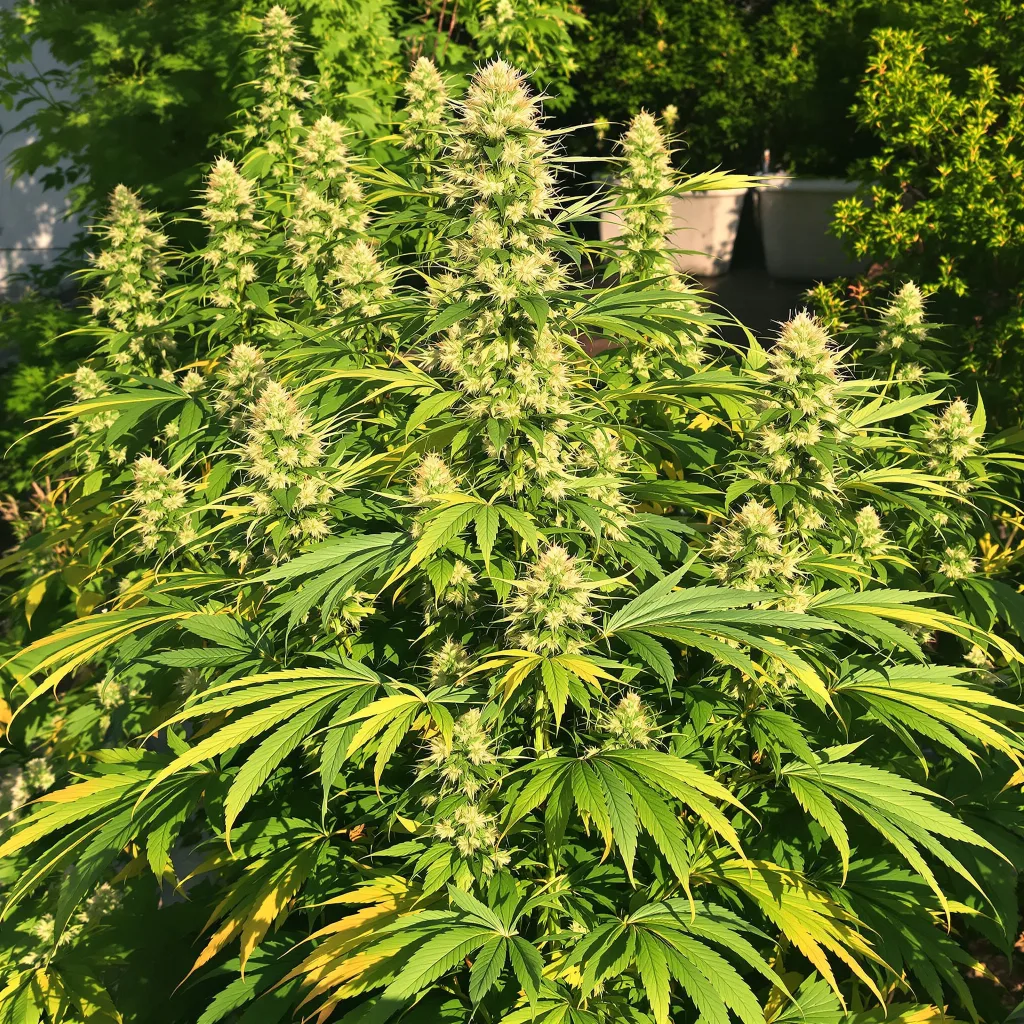
The stretch is real, and it will surprise you in November
Sativa-forward crack expressions do not creep into flower. They launch. A plant that looked manageable at the end of December can double in height over the following three to four weeks, and if you have planted against a fence or under a low shelter you will find out the hard way.
Plan for it before it happens:
- Top early. Once the plant has five or six nodes, taking the growing tip encourages two dominant leaders instead of one runaway spear. Do this in November, not January.
- Bend rather than cut once flowering starts. Low-stress training with soft ties gets height under control without setting the plant back at the point it can least afford it.
- Stake before you need to. Wellington's wind and the Canterbury nor'wester will snap a heavy sativa branch at the crotch. A stake driven in during December costs nothing; one driven in during March damages roots at the worst time.
- Space the plants. Crowding two of these together in a small bed creates exactly the dead-air pocket that botrytis wants.
If you are working out how much plant your space can realistically carry before you commit, the yield calculator is a more useful starting point than eyeballing it. And the broader approach to shaping these plants is covered across the grow articles if you want the technique rather than the timing.
Indoors, the same stretch is a tent-height problem
Under lights, the flip is when the stretch begins, and a crack-lineage sativa in a 1.2 metre tent will reach the lamp if you flip at the height you would flip an indica. Flip shorter than instinct tells you. Many growers here run these at around 40 centimetres and still finish at a metre or more, and the afghan-influenced expressions are the ones to pick if headroom is genuinely tight.
Where each member of the family actually fits on the map
The honest regional breakdown, given the finishing times involved:
Northland, Auckland, Bay of Plenty. Long, warm season with plenty of room at the back end. You can run the slower, more sativa-forward expressions and still be comfortably finished. Your constraint is humidity, not frost, so prioritise open structure, defoliate lightly around the main colas in March, and check the interior of the biggest buds weekly from late February.
Waikato, Taranaki, Manawatū. A middle case. Photoperiods finish, but the margin narrows and the autumn damp arrives with intent. The afghan-influenced side of the family is a reasonable compromise: faster than the pure sativa expressions, more resilient than the heaviest yielders.
Gisborne, Hawke's Bay, Nelson, Marlborough. The best outdoor conditions in the country for this lineage. Dry, sunny autumns, long enough seasons, and enough light through February and March to fill flower properly. This is where a high-yielding crack cross is worth the risk.
Wellington and Wairarapa. Wind is the governing factor. Tall sativas take a beating on exposed sections. Stake heavily, or grow shorter and bushier by topping twice, or put the plant somewhere with a solid windbreak on the northwest side.
Canterbury, Otago, Southland. Frost from April inland is the deadline, and it does not negotiate. A photoperiod crack expression that wants a mid-to-late April finish is not a realistic outdoor plant in Alexandra or Gore. Either run an autoflower started in November, or grow indoors. Working backwards from your own first frost date, rather than from a seed listing, is the only method that holds up here.

The autoflower route solves the southern problem
For anyone south of roughly Christchurch, or anyone in a high-rainfall region who wants to be finished before the weather turns, the autoflowering version of this lineage is the practical answer. God's Green Crack Auto runs on its own clock — it starts flowering at a set age regardless of daylight — which means you control the harvest date by controlling the sowing date.
What that buys you in practice:
- You can start later. A November or even early December sowing still finishes well inside the season, so you skip the cold, slow October establishment phase entirely.
- You can stagger. Sow three plants three weeks apart and harvest three times rather than gambling everything on one weather window.
- You avoid the longest-day trigger problem. No waiting through December wondering whether the plant has noticed the days shortening.
- You stay smaller. Easier to net, easier to shelter, easier to move if you are growing in containers.
The trade-off is real and worth stating: an autoflower gives you less total plant and no second chances. There is no vegetative period to recover from a mistake. Overwater it in week two, or transplant it roughly, and the plant simply stays small — it will flower on schedule regardless. Sow into the final container and leave it alone.
The broader autoflowering seed range shows how this one sits against the rest, and the specific cannabinoid and terpene detail is on its God's Green Crack Auto genetics report rather than anywhere in this article.
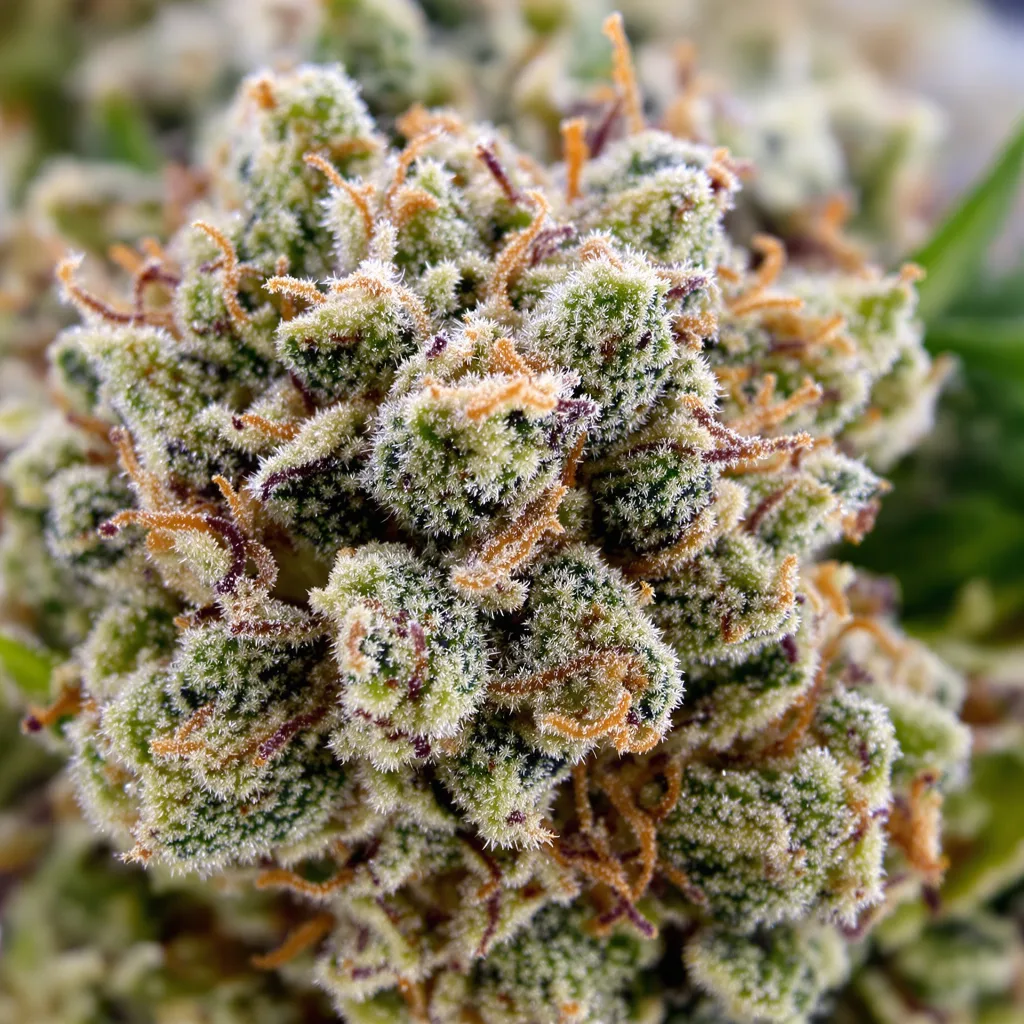
Feeding a fast sativa in a New Zealand growing medium
Crack-lineage plants grow quickly and eat accordingly, but the common mistake here is not underfeeding — it is pushing nitrogen too late. These are plants that stretch hard, and a grower who keeps the vegetative feed going into January gets an enormous leafy frame with mediocre flower on it and a canopy too thick to dry out.
A few things that matter specifically in New Zealand conditions:
- Cut nitrogen once the stretch starts. Roughly the point the plant begins throwing pistils. Switching promptly keeps the internodes tighter and the canopy more open.
- Watch for magnesium deficiency in coco. Fast sativas in coco run through magnesium quickly, showing as interveinal yellowing on mid-canopy leaves. Coir sold here varies a lot in how well it has been buffered.
- Do not overfeed potted plants in a wet autumn. When the pot is not drying out between waterings, salts accumulate and the root zone sours. Feed less, not more, when the weather closes in.
- Test your water if you are on tank supply. Rainwater collected off a roof is generally soft and low in calcium, which changes what your plant needs from the bottle.
Working out ratios for your specific medium and plant count is faster with the nutrient calculator than with guesswork on a forum thread.
Aroma and reported effect: what the crack name is actually pointing at
The reason this lineage persists is the terpene profile. Across the family the reported aroma runs citrus-forward — grapefruit, mango, sometimes a sharp tropical note over a skunky base — and it comes through in the cure far more clearly than in the living plant. Snapping a stem during flower gives you a sharper, greener smell than the finished, cured flower will.
Reported effect across the lineage sits at the energising, daytime end rather than the sedating end, which is why these cultivars turn up in the energising cultivar range. The afghan and critical crosses pull that back somewhat towards a heavier body character. Cracker Jack sits furthest towards the clear, alert end. These are reported characteristics of the cultivars, not outcomes to expect, and individual plants within the same packet vary.
One practical New Zealand note on the terpenes: a slow, cool dry preserves them and a fast, warm one destroys them. If you are drying in a garage in March, the ambient humidity is often high enough that you will be tempted to run a heater. Don't. Run a dehumidifier and a fan instead, aim for a dry that takes ten days to two weeks, and the citrus will still be there at the end of it.
If you want to see how the family compares on aroma, structure and finishing time against the rest of the catalogue, these are the four to look at:
How the crack family sits against everything else finishing-time-wise
Finishing time is the number that decides whether your season works, so it is worth seeing where these sit in the wider distribution rather than judging them in isolation. Across the feminised range, the spread is wide enough that two cultivars bought the same day can harvest a month apart:
1254 of 1254 varieties in this category publish a flowering time. Counted from the catalogue when this page was built.
If your site is marginal — inland, high, exposed, or wet — sort by that figure first and by everything else second. The strain finder filters on finishing time alongside height and difficulty, which is the fastest way to narrow a shortlist for a specific region. Growers with the room and the climate to chase weight instead can start from the cultivars selected for outdoor growing.
Common questions from New Zealand growers
When should I plant green crack seeds outdoors in New Zealand?
Germinate indoors in September and move seedlings out in October once your last frost has passed. That is later in inland Canterbury and Otago than it is in Northland, so use your own local frost date rather than a national average. Planting out too early into cold soil stalls the plant for weeks and gains you nothing.
Will a photoperiod crack variety finish before frost in Otago or Southland?
Usually not, and this is the main reason growers down there lose a crop. Photoperiod plants here typically start flowering from late December or January, which puts a medium-to-long finisher into mid or late April — after inland frost has arrived. An autoflower sown in November, or an indoor grow, is the more reliable plan.
Is this lineage a good choice for a first grow?
The autoflowering version is, because it removes the timing decisions. The photoperiod sativa expressions are less forgiving, mostly because of the stretch — a first-time grower often underestimates how much height they need to manage in January. If it is your first season, growing one auto and one photoperiod side by side teaches you more than two of either.
How do I stop bud rot in these in a wet Auckland autumn?
Airflow and inspection. Thin the interior of the plant lightly in late February so air moves through the canopy, keep plants spaced rather than crowded, and check inside the largest colas weekly from the start of March. If you find grey or mushy tissue, cut well below it immediately and get it away from the rest of the plant — it spreads through a cola in days.
Can I grow these in a small indoor tent?
Yes, but flip to flower earlier than you think you need to, because these stretch substantially after the light change. The afghan-influenced expressions are the shorter, more manageable option for restricted headroom. The indoor-suited cultivar range and the individual Afcrack Feminised genetics report list heights so you can check before you buy.
Related Articles
Ready to Start Growing?
All 1,677 varieties, posted unbranded and tracked to both islands, each with whatever grow figures we could trace.
Shop Cannabis Seeds