Bud Rot: Why a Damp New Zealand Autumn Is When It Takes Hold, and the Plant Traits That Resist It
Royal King Seeds
Cultivation team
Bud rot is Botrytis cinerea, a cool-weather mould that lives in the garden all year and only becomes a crop-ending problem when a plant gives it somewhere dark, still and permanently damp to sit — which is exactly what a fat cola becomes once New Zealand nights cool off in late March. The traits that resist it are structural rather than chemical: open, airy bud architecture, a short gap between the start of flower and the day you cut, less leaf buried in the cola, and stems stiff enough that the plant does not fold over and hold water after rain.
Everything else — spacing, defoliation, overhead cover, daily inspection — buys you days. The variety choice you made back in September decides whether you need those days at all.
Bud rot is a cool-weather fungus, and a New Zealand autumn is built for it
Botrytis is a generalist. It is the same grey mould that ruins strawberries in the fridge and spots grapes in the vineyard, and its spores are already present in any New Zealand garden — on dead leaves, on last season's mulch, blowing in off a neighbour's compost. There is no scenario where you keep them out. The question is only whether conditions let them germinate.
Those conditions are cool rather than hot, and wet rather than humid-in-a-general-sense. Botrytis does its best work in the mid-teens to low twenties Celsius with free moisture sitting on tissue for hours at a time. That is an exact description of a Waikato or Bay of Plenty night in the second week of April: 12 or 13 degrees after dark, dew forming on everything by midnight, and not enough sun before ten in the morning to dry a dense cola out again.
Compare that with February. Daytime temperatures are high, the air moves, and anything that gets wet in an evening shower is bone dry by nine the next morning. Spores land, fail to establish, and wash off. The fungus has not gone anywhere — the plant simply never stays wet long enough.
So the risk curve is not gradual. It is close to flat through January and February, then climbs steeply from mid-March as night temperatures drop and the drying window shortens. By mid-April in most of the North Island, a dense indica-structured cola that gets rained on at four in the afternoon may not fully dry before it gets rained on again.
It is the dew inside the cola, not the rain on the outside
Growers tend to watch the rain gauge. The more useful thing to watch is the gap between the overnight low and the dew point, because that is what decides whether moisture condenses inside the bud where no breeze reaches.
A big cola is a thermal mass. Through a clear autumn night it radiates heat and ends up a degree or two colder than the surrounding air, which means water condenses on the innermost calyxes first — the part you cannot see and cannot dry. This is why bud rot so reliably starts in the core of the largest top bud and works outward, and why the first visible sign is often a single leaf wilting on an otherwise healthy plant. That leaf's petiole is already sitting in a rotten stem.
It also explains something that confuses people: a run of dry, clear autumn days with heavy dew can be worse than a week of warm rain. Clear nights radiate harder. The West Coast gets the rainfall, but a frosty-clear April morning in inland Canterbury can deliver just as much free water onto a cola, and the nor'wester that dries it out does not arrive every day.
The traits that make a plant genuinely hard for botrytis to get into
Resistance to bud rot is not a single gene you can select for off a label. It is a set of physical characteristics, and most of them are visible on the plant long before flowering finishes.
Bud structure, which matters more than anything else
Dense, golf-ball colas with calyxes packed tight against each other hold water by capillary action and never dry through the middle. Looser, more spear-shaped flowers with visible gaps between bracts let air move. Sativa-leaning genetics tend toward the open structure; heavy indica and many modern dessert hybrids were selected for the opposite, because density sells indoors. Outdoors in a damp autumn that density is a liability, and the trade is real — you are usually giving up some weight per plant to get airflow through the flower.
Speed to finish
Every week a plant spends in late flower during April is a week of exposure. A variety that is ready in the second half of March has avoided the problem rather than resisted it. This is why finishing time is the single most decision-relevant figure for an outdoor grower here, and why the same cultivar can be a safe bet in Northland and a gamble in Southland. Working the calendar backwards from your own first frost and your own autumn rainfall pattern is covered in more depth in our guide to choosing a variety that actually finishes outdoors in New Zealand.
Leaf buried in the bud, and stem strength
Some plants carry a lot of small sugar leaf tucked inside the flower. Each of those leaves is a wick and, when it senesces late in flower, a food source sitting in the dark. Varieties with a cleaner calyx-to-leaf ratio dry out faster after rain and give botrytis less dead tissue to colonise.
Stem strength is the trait people forget. A plant that lodges — folds over under its own wet weight after an autumn downpour — lies with its colas against wet ground or against each other, and will rot from the contact points even if the bud structure is good. Thick main stems, short internodes low down and solid lateral branching are worth as much as any other resistance trait on an exposed Wellington or Canterbury site.
If you want examples of plants selected along those lines rather than purely for density, these three sit at different points on the structure-versus-speed trade-off.
Flowering times, structure notes and the published cannabinoid and terpene data for each one live on its own genetics report — the Industrial Plant Feminised genetics report is a good place to see what that page actually covers before you commit to a season.
Your latitude sets the deadline, and the deadline is the whole decision
New Zealand runs from roughly 34°S to 47°S, which is a wider spread than most growers appreciate. The practical effect is that the same seed packet produces two different risk profiles depending on where it goes in the ground.
- Northland, Auckland, Bay of Plenty. Warm enough to keep flowering well into April, but humid, and autumn rain arrives with warmth behind it. Botrytis pressure is the highest in the country. Open structure matters more here than finishing speed.
- Gisborne, Hawke's Bay, Nelson, Marlborough. Drier and sunnier through autumn with better drying windows. Dense-flowered plants are survivable, though a wet April still catches people out.
- Wellington and coastal Canterbury. Wind is the dominant factor. It dries colas fast, which helps enormously, but it also breaks branches and lodges tall plants, so stem strength and staking matter more than usual.
- West Coast. Very high rainfall. Overhead cover of some kind is close to mandatory for anything flowering past mid-March, and fast, open-structured plants are the only sensible choice.
- Inland Canterbury, Otago, Southland. Frost from April onward is the hard stop. You are not choosing between rot and more yield — you are choosing something that is finished and cut before the frost arrives, full stop.
Laying your own site against the season month by month is the fastest way to see where your exposure sits.
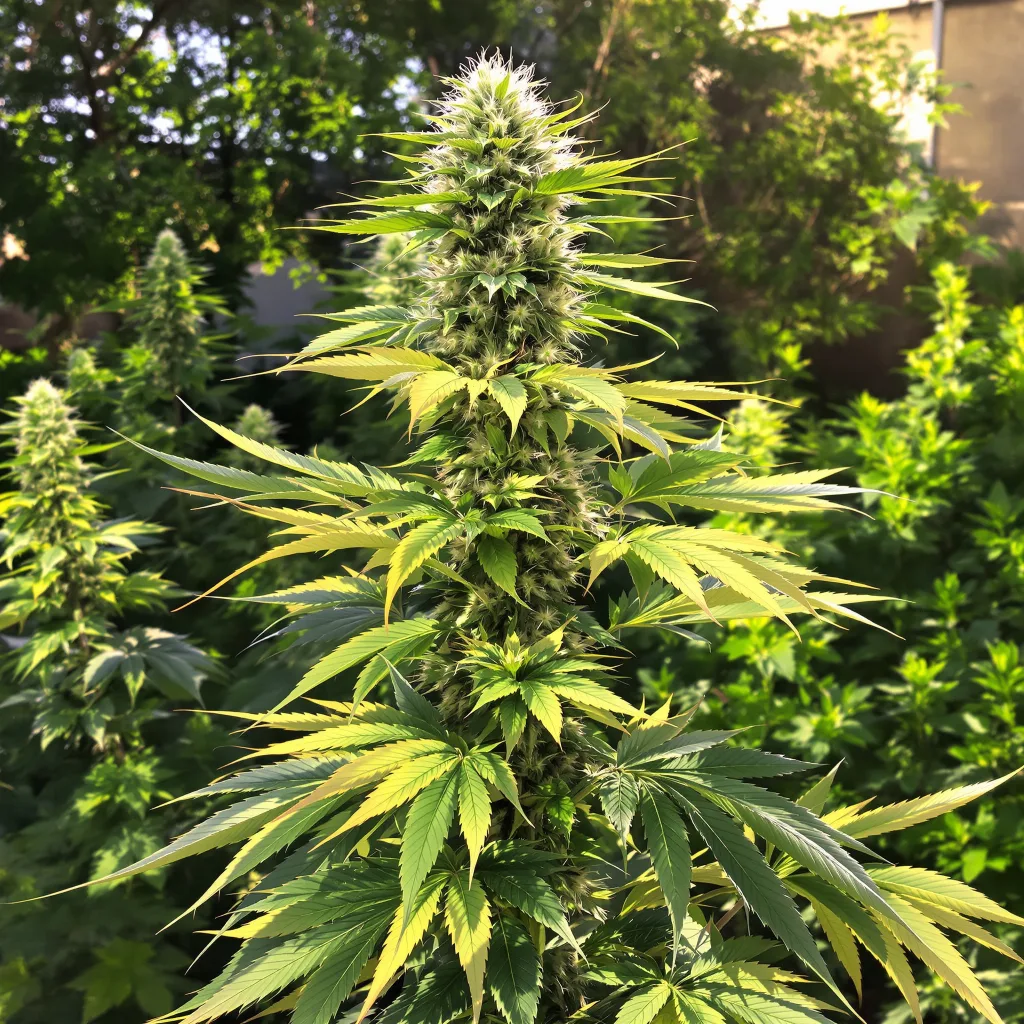
Timings shift with latitude — the north runs earlier and longer than inland Otago and Southland.
What you can change in the garden before March
Genetics set the ceiling; site and management decide whether you reach it. None of the following will save a dense indica sitting in a shaded Northland gully through a wet April, but together they can move an average plant from a write-off to a full harvest.
- Pick the site for morning sun and moving air. East-facing beats west-facing, because early sun dries dew off hours sooner. A spot sheltered from wind feels kind to the plant and is terrible for botrytis.
- Space plants further apart than feels necessary. Two plants a metre apart will shade and humidify each other by March. Two metres is not excessive outdoors.
- Strip the lower third. Anything that will never make usable flower is just leaf holding humidity at ground level. Do this before stretch finishes, not in late flower.
- Thin interior leaf once, mid-flower. Target leaves lying flat against developing buds. Heavy defoliation late in flower stresses the plant and does not help.
- Stake early and hard. Put support in before the plant needs it. Tying up a lodged, soaking wet plant in April spreads spores by hand.
- Consider a simple roof. Clear corrugate or a tunnel frame over the plant, open on all sides, keeps rain off the colas while letting wind through. This single change is worth more than every spray on the shelf.
- Shake the plants after rain. Grab the main stem, give it a firm rattle, and a surprising amount of water comes out. Do it the same afternoon, not the next day.
- Grow in pots if your site is marginal. A plant you can wheel under cover for three wet days is a plant you can save.
A note on sprays: biological preventatives based on competitive organisms have a place earlier in the season, but nothing applied to a bud that is already infected inside will reverse it. By the time you can see rot, the response is mechanical.
How to find it before it takes the whole cola
From the first week of March, inspection stops being optional. Botrytis can go from a few millimetres of grey to half a cola in three or four days in the right weather, and it is almost always further along than it looks.
What to look for, roughly in the order it appears:
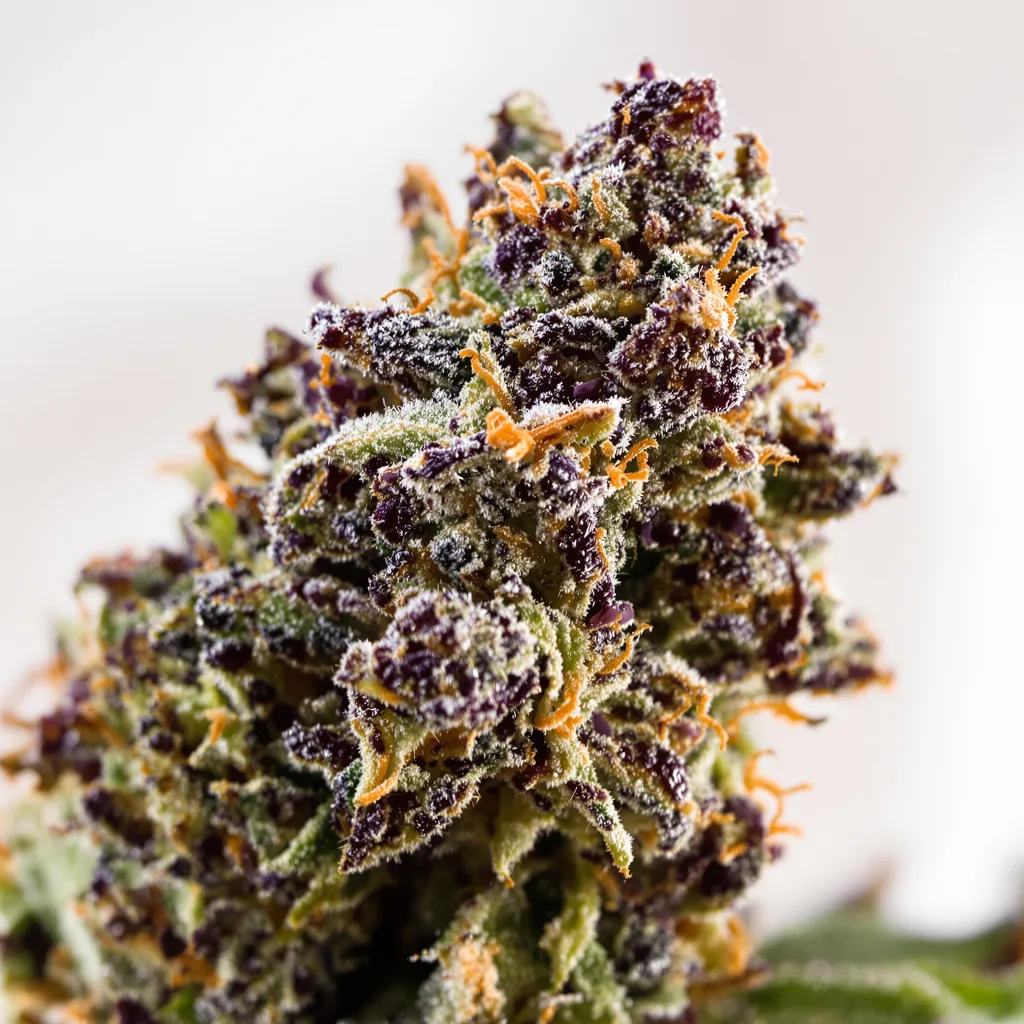
- A single wilted sugar leaf on an otherwise healthy bud, often with no discolouration anywhere else. Pull it. If it slides out at the base, the stem beneath is already rotten.
- A dull, slightly grey or bleached patch where the surrounding flower is still vivid. Colour change comes before any visible fuzz.
- Soft give under light finger pressure. Healthy late-flower buds are springy and firm. Rotten ones squash.
- Grey-brown fuzz and dust when you open the bud. By this stage it is sporulating and every touch spreads it.
- Dark, hollow, crumbling stem at the core — the definitive sign.
Check the biggest, densest top colas first and most often; that is where it starts. Go through the plant every two or three days in dry weather and daily after rain. Inspect in the morning when the stems are still cool and wilt shows most clearly. Do not handle a suspect bud and then move straight to a healthy one without washing your hands.
What to do in the ten minutes after you find it
Cutting it out
Work in dry conditions if you possibly can, because disturbing a sporulating bud in damp air seeds the rest of the plant. Take a clean pair of secateurs and a bag. Cut well below the visible damage — at least a full node down, further if the stem looks discoloured — and put the cut material straight into the bag rather than dropping it beneath the plant. Do not shake it, do not inspect it over the canopy, and do not compost it on site.
Sterilise the blades between cuts with isopropyl or methylated spirits. Then go back over the whole plant a second time, more slowly, because where there is one infection there are usually two or three others a few days behind it.
Deciding whether to take the plant early
This is a judgement call, and growers consistently leave it too late. Weigh three things: how much rot you found, what the next seven days look like, and how close the plant actually is to ripe. If you are cutting out a new site every time you inspect, and a warm wet week is forecast, the remaining weight you might gain by waiting is smaller than the weight you will lose.
A staggered harvest is often the right answer. Take the big top colas — the ones with the most mass and the highest risk — and leave the lower, airier buds another week or two to fill. They are more exposed to air movement and less likely to be hit. Anything you cut should be hung somewhere with real airflow and dried at a steady, moderate temperature; a bud that went into the drying space clean can still rot in a still, humid room.
Autoflowers sidestep the problem rather than solving it
A photoperiod plant outdoors has no choice about when it flowers — daylength decides, and daylength puts ripening in late March and April. An autoflower runs on age instead, so a seed started in late October or November is often ready through February and early March, before night temperatures drop into botrytis territory at all.
That is the single most reliable way to avoid bud rot outdoors in a high-rainfall region, and it is why so many West Coast and Southland growers have moved to them. The cost is size: autos are smaller plants with less time to build structure, so you make up yield with plant numbers rather than with one monster. You can also run two cycles, starting a second batch in December. How the finishing times are distributed across the range is worth a look before you plan the season.
422 of 422 varieties in this category publish a flowering time. Counted from the catalogue when this page was built.
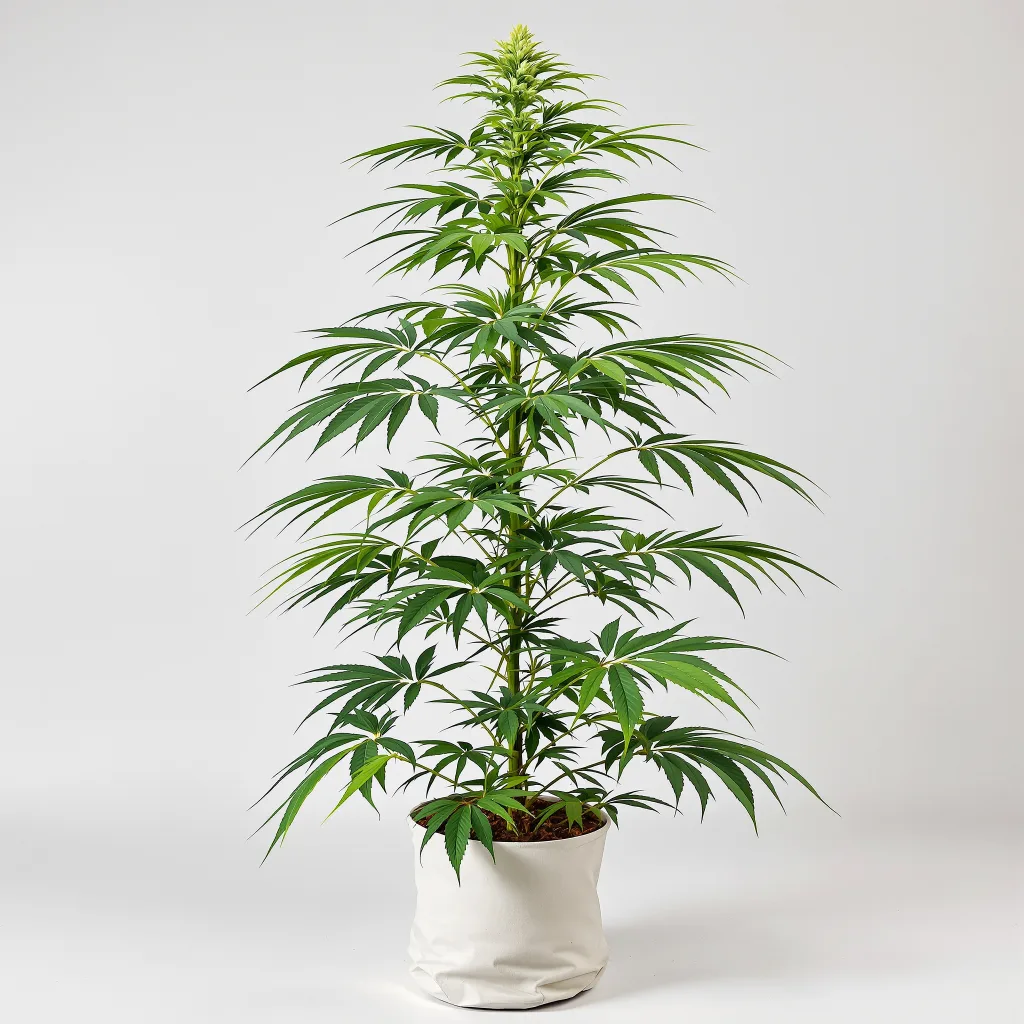
If you are weighing an auto against its photoperiod equivalent, a side-by-side on height, flowering time and yield makes the trade obvious.
| Industrial Plant Auto | Industrial Plant Feminised | |
|---|---|---|
| Type | Autoflowering | Photoperiod |
| Lean | Sativa | Sativa |
| Listed THC | 18% | 18% |
| Flowering | 70 days seed to harvest | 45-50 days |
| Height | 120 cm | Medium |
| Indoor yield | 300-500 g/m2 | 625 g/m2 |
| Outdoor yield | 25-100 g/plant | 1300 g/plant |
| Difficulty | Intermediate | Easy |
| Price from | $23.39 | $23.39 |
For a longer list of options selected for outdoor conditions rather than tent performance, our outdoor cultivars for New Zealand conditions and the full autoflowering seed range are the two places to start. If you would rather filter by finishing time and structure directly, the strain finder tool narrows it down faster than browsing, and the yield calculator will tell you whether running more, smaller autos actually costs you anything.
Questions New Zealand growers ask about bud rot
Can I still use a bud that had rot cut out of it?
The material you removed should be discarded, and so should anything immediately adjacent to it that looks or smells off. Visually clean flower from elsewhere on the plant is generally kept, but inspect it carefully as it dries, because infections that were microscopic at harvest will show up in the drying room. If a whole cola is shot through, do not try to salvage pieces from the middle of it.
Is it bud rot or is it a caterpillar?
They look similar from outside and often arrive together, because tunnelling caterpillars leave wounds and frass that botrytis colonises. Open the bud: a caterpillar leaves a clean bore hole and dark pellets of frass, while botrytis leaves grey fuzz and a hollow, crumbling stem. Finding one does not rule out the other, and in a damp March you should assume caterpillar damage will become rot within the week.
Will spraying stop it once I have found it?
No. Once the fungus is inside a cola, nothing you apply to the outside reaches it, and wetting the plant to spray makes the surrounding buds more vulnerable. Preventative biological products applied earlier in flower have a role in reducing establishment, but the response to visible rot is to cut, sterilise and reassess your harvest date.
Does a greenhouse fix it?
Only if it is ventilated properly. A closed greenhouse in a New Zealand autumn traps transpired moisture and becomes a botrytis incubator — worse than being outside. What works is cover without enclosure: a roof that keeps rain off while leaving the sides open, or a greenhouse with doors, vents and a fan running continuously through the night.
Which is more important, open bud structure or a fast finish?
It depends on your latitude. South of about Christchurch, a fast finish wins, because frost is a hard deadline and anything still flowering in late April is lost regardless of its structure. In the warm, humid north, where plants can comfortably run into April, open structure matters more because the exposure period is longer. Comparing those two traits across a shortlist on the cultivar comparison tool is the quickest way to see which end of the trade a given plant sits on.
Related Articles
Whitefly Treatment in a New Zealand Grow: Identifying It Early and What Actually Works
pests-and-problemsThrips Damage in a New Zealand Grow: Reading the Leaf and Stopping the Spread
pests-and-problemsThrips NZ: Identifying Them Early and What Actually Works
pests-and-problemsFungus Gnats NZ: Identifying Them Early and What Actually Works
Ready to Start Growing?
All 1,677 varieties, posted unbranded and tracked to both islands, each with whatever grow figures we could trace.
Shop Cannabis Seeds