What Are Feminized Seeds: What the Label Controls and What It Does Not
Royal King Seeds
Cultivation team
A feminised seed is a seed bred so that it grows into a female plant — the flowering, resin-producing plant you actually want — without the roughly even chance of a male that you get from a seed made the ordinary way. That is the whole of what the word promises. It says nothing about how fast the plant finishes, how tall it gets, how it copes with a damp Waikato autumn, or how strong the flower turns out, and most of the disappointment people feel with feminised seeds comes from expecting the label to cover those things too.
Spelled feminized or feminised, it is the same product. The rest of this is about what the label genuinely buys you, what it quietly leaves to the cultivar and to you, and how to read a listing so the two do not get confused.
How a feminised seed is actually made
Cannabis normally carries separate male and female plants. A seed from a female pollinated by a male inherits a sex determination from each parent, and you get a mix — never exactly half and half in a given packet, but close enough over a large number of seeds.
Feminised seed skips the male entirely. A female plant is treated, usually with a silver-based solution such as silver thiosulfate, which interrupts the hormonal signalling that keeps her producing pistils. She responds by throwing pollen sacs instead, while remaining genetically female. That pollen is then used on another female. Because neither parent contributes the male determinant, essentially every seed in the resulting batch is female.
Two consequences follow, and both matter more than the chemistry.
- It is a hormonal trick, not a genetic edit. The reversed plant is not a male and the seeds are not modified. They are ordinary seeds from two female parents.
- The quality of the feminisation depends on the breeder's selection. If the parent lines were prone to throwing intersex flowers under stress, that tendency rides along into the seed. Good feminised lines are made from parents that only reverse when forced to.
What the label does control: plant count, and everything that depends on it
The practical value of feminised seed is that you can plan a space precisely. Six seeds in a 1.2 metre tent means six plants, not six seeds that might become three plants once you have sexed and pulled the males in week two of flower. For anyone growing a small number of plants, that is the difference between a full canopy and a tent with gaps in it.
Outdoors it matters just as much. Spacing plants two metres apart in a Hawke's Bay garden in October, only to remove half of them in February, wastes the best growing weeks of the season. With feminised seed, what you plant is what you harvest from.
It also removes the task of sexing. You do not need to inspect pre-flowers at the nodes, you do not need somewhere to isolate suspect plants, and you are not racing to pull a male before it opens and pollinates the rest. That is real work removed, particularly for a first grow.
If you want to see how that plays out across quite different plants, these three are all feminised and all behave differently in the ground.
What it does not control: finishing time, and in New Zealand that is the figure that decides everything
Nothing in the feminisation process touches flowering duration. A feminised sativa-leaning plant that wants eleven weeks of bloom is still an eleven-week plant, and in Central Otago an eleven-week plant that begins flowering in late February is asking to be finished in May, with frost arriving from April inland.
This is where most outdoor failures in this country actually originate — not in sex, not in nutrients, but in a finishing date that was never going to work for the latitude. New Zealand runs from roughly 34°S to 47°S. The same seed that ripens easily in Northland in mid-March can still be building bud in Southland when the first hard frost arrives. Choose for finishing week first, and treat everything else as a preference.
Flowering times vary widely within the feminised range, and that spread is the single most useful thing to look at before you narrow by flavour or effect.
1254 of 1254 varieties in this category publish a flowering time. Counted from the catalogue when this page was built.
Work backwards. Decide the last week you can realistically cut — allowing for the fact that autumn here arrives damp rather than dry — then subtract the listed flowering time plus a fortnight of margin for a cool spring or an overcast February. If the answer lands after your frost window, the cultivar is wrong for your site no matter how good the photographs look. Our guide to varieties selected for outdoor growing is organised around exactly that constraint.
The label says nothing about structure, and structure is what survives a New Zealand autumn
Botrytis — bud rot — is the defining late-season risk here, not heat stress. March and April bring rain, heavy dew and cool nights, and a dense, tightly packed cola holds moisture at its core long after the surface has dried. Northland, Auckland and the Bay of Plenty carry the humidity; the West Coast adds serious rainfall on top of it.
Feminised says nothing about any of this. Bud density, calyx packing, leaf-to-flower ratio and how quickly a plant sheds water are cultivar traits and, within a cultivar, phenotype traits. A looser, more open flower with airflow through it will come through a wet week that turns a solid, fist-sized cola brown from the inside.
So the outdoor shortlist in a wetter region is: finishes early, open structure, and sturdy enough to handle wind — the Wellington southerly or a Canterbury nor'wester will flatten a tall, top-heavy plant that was never staked. Drier, sunnier districts such as Gisborne, Nelson and Marlborough forgive denser flower and a later finish. Pick for your own site, not for the national average.
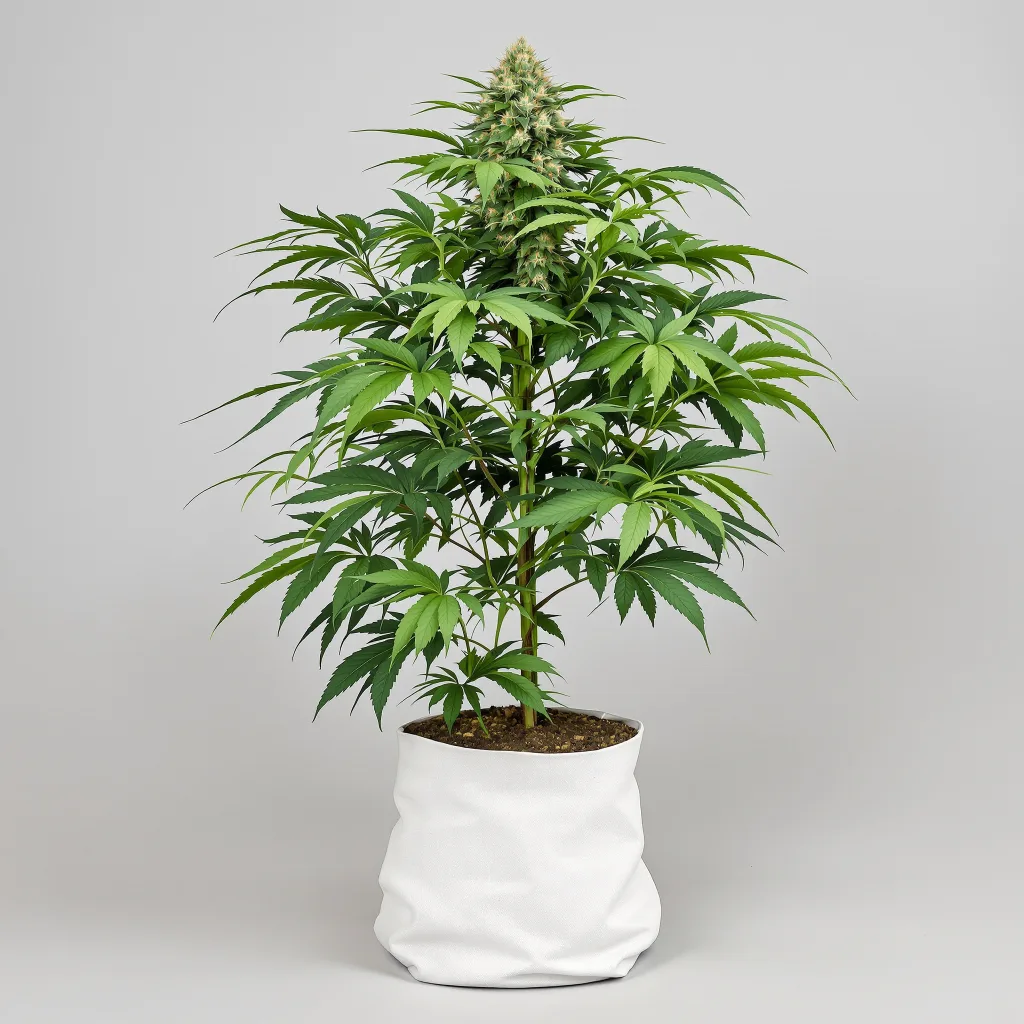
Feminised is not the same as autoflowering, and mixing them up costs a season
These are two separate properties and a seed can have either, both, or neither. Feminised describes sex. Autoflowering describes what triggers flowering.
Photoperiod feminised
A standard feminised plant flowers in response to shortening days. Outdoors in New Zealand that means it vegetates through the long light of November, December and January, and begins flowering as daylength falls away from late January into February. Indoors you control it directly by switching the light schedule. Almost everything in the feminised seed range works this way.
Autoflowering
An autoflower starts flowering on age, typically a few weeks from germination, regardless of daylength. Most autoflowers sold are also feminised, but the two labels are doing different jobs. Autos suit a short window, a sheltered courtyard, or a grower who wants to be finished before the wettest part of autumn — the autoflowering range exists for that problem. They will not respond to a light schedule change, and they punish heavy training because there is no vegetative period to recover in.
If you are not sure which suits your site and your timeframe, the strain finder tool filters on both at once.
Why a feminised plant can still throw a pollen sac
Feminised does not mean incapable of producing pollen. It means the plant will not develop as a male. Under enough stress, a female plant of almost any origin can produce a few male flowers — usually small banana-shaped anthers tucked among the pistils, sometimes a clustered sac at a node.
The usual causes are mundane:
- Light leaks during the dark period in a tent, including a glowing timer or a gap in a zip.
- Interrupted schedules — a power cut, or a timer reset that shifts the dark period around.
- Heat held high for days, especially combined with low humidity and a dry root zone.
- Severe root damage or extended drought stress during early flower.
- Leaving a plant well past ripeness, when late intersex flowers appear as the plant attempts a last chance at seed.
- Genetic predisposition in poorly selected parent stock, which is the one you cannot fix.
A handful of anthers caught early, removed carefully, and followed by fixing the actual cause is usually survivable. A plant that keeps producing them after the stressor is gone is telling you something about its lineage, and it is worth pulling rather than letting it seed a whole tent. Note that seeds produced this way are themselves feminised, which is why the occasional seed found in otherwise good flower is almost always female.
Potency and aroma are cultivar properties, not feminisation properties
Reversing a female does not raise or lower cannabinoid content. Whatever the line expresses, the feminised version expresses the same range, subject to the ordinary variation between individual plants and the much larger variation caused by how the plant was grown, when it was cut and how it was dried.
Listed figures belong to the cultivar, and they are published per variety rather than quoted as a general rule. The Chemo Feminised genetics report is the format — germination data, cannabinoid range and terpene panel in one place — and every variety has its own. Read that page rather than trusting a number in an article, including this one.
Across the feminised range, listed THC spreads out more than most people expect.
1254 of 1254 varieties carry a listed figure. A published figure is what the genetics can express, not what a grow will produce.
Aroma works the same way. Terpene expression is set by genetics and then shaped by environment: cool nights late in flower tend to bring out colour and can sharpen some profiles, while a hot, dry finish can volatilise the lighter terpenes before you cut. Feminisation is irrelevant to all of it.
Reading a listing without being misled by the word
Treat "feminised" as a given and spend your attention on the rest. In order of how much it will affect your result in New Zealand:
- Flowering time in weeks, converted to a calendar date for your own region and frost risk.
- Final height and stretch — indoors this decides whether you can run the plant at all; outdoors it decides how exposed it is to wind.
- Bud structure and mould tolerance, which matter more the further north and the wetter your site.
- Difficulty, honestly assessed. A demanding cultivar grown badly yields less than a forgiving one grown well.
- The genetics report, for germination data and the cannabinoid and terpene panel.
- Yield figures, last, because they assume conditions you may not have. The yield calculator is more useful than a headline number.
Two feminised plants can differ more from each other than either differs from an unfeminised version of itself. Putting them side by side makes that obvious quickly.
| M-39 Feminised | Granddaddy Purple Feminised | |
|---|---|---|
| Type | Photoperiod | Photoperiod |
| Lean | Hybrid | Indica |
| Listed THC | 16% | 17-23% |
| Flowering | 39-43 days | 8-10 weeks |
| Height | Short | Up to 100 cm |
| Indoor yield | 350-450 gr | up to 500 g/m2 |
| Outdoor yield | 500 gr | up to 600 g/plant |
| Difficulty | Easy | Beginner |
| Price from | $25.19 | $22.49 |
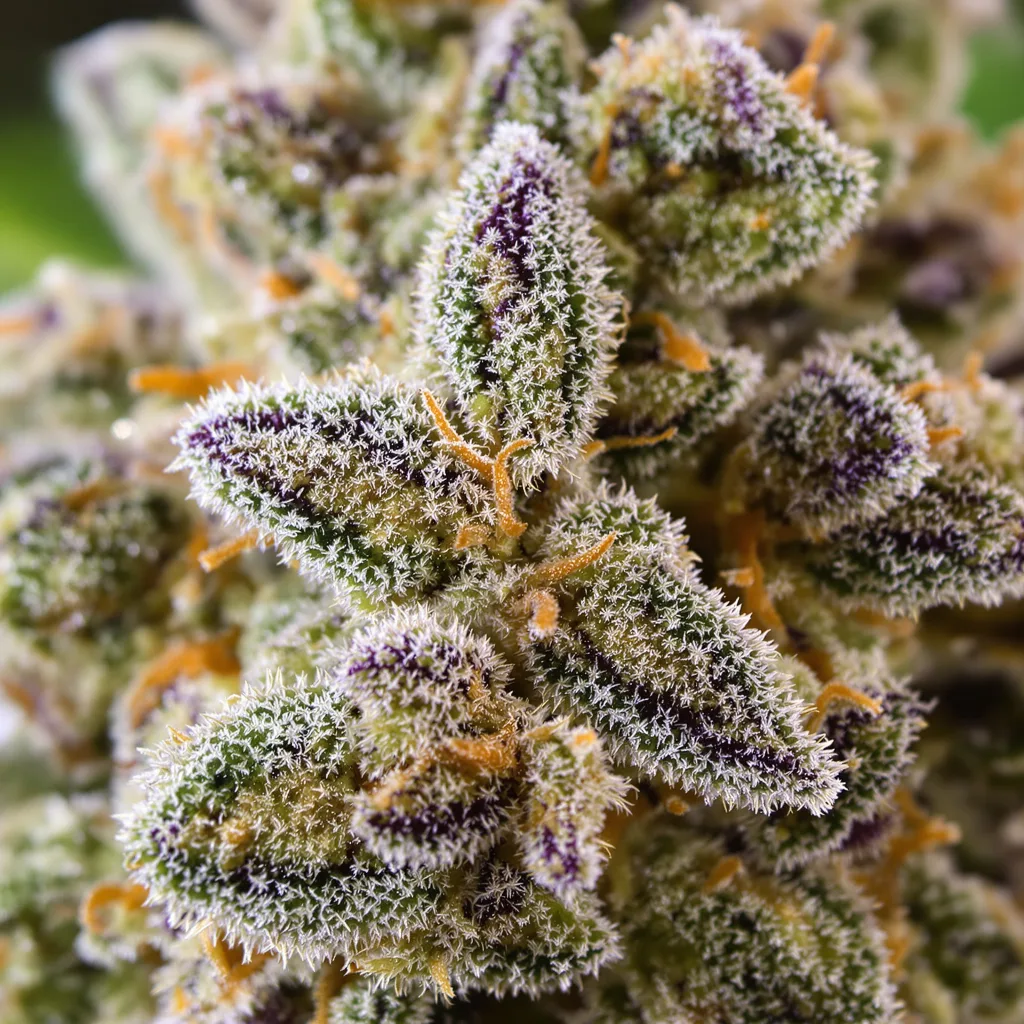
What you give up by growing only feminised seed
Males carry half the genetics of any cross, and without them you cannot make seed the conventional way. If you have any interest in breeding, a feminised-only garden limits you to self-pollination or to reversing a female yourself — both of which narrow the gene pool rather than widening it, and both of which concentrate whatever weaknesses the line already had.
There is a subtler cost too. Feminised seed removes the sexing step, which for a first-time grower is exactly the point, but it also removes the habit of looking closely at nodes week after week. That habit is how you catch mites, early deficiency and stretch problems. Keep inspecting anyway.
Phenotype variation does not disappear either. A packet of feminised seeds is not a packet of clones. You will still see differences in height, internode spacing, finishing time and aroma between individuals, sometimes substantial ones. That variation is useful — it lets you pick the plant best suited to your site and run it again from cuttings — but it does mean the listed figures describe a range rather than a guarantee.
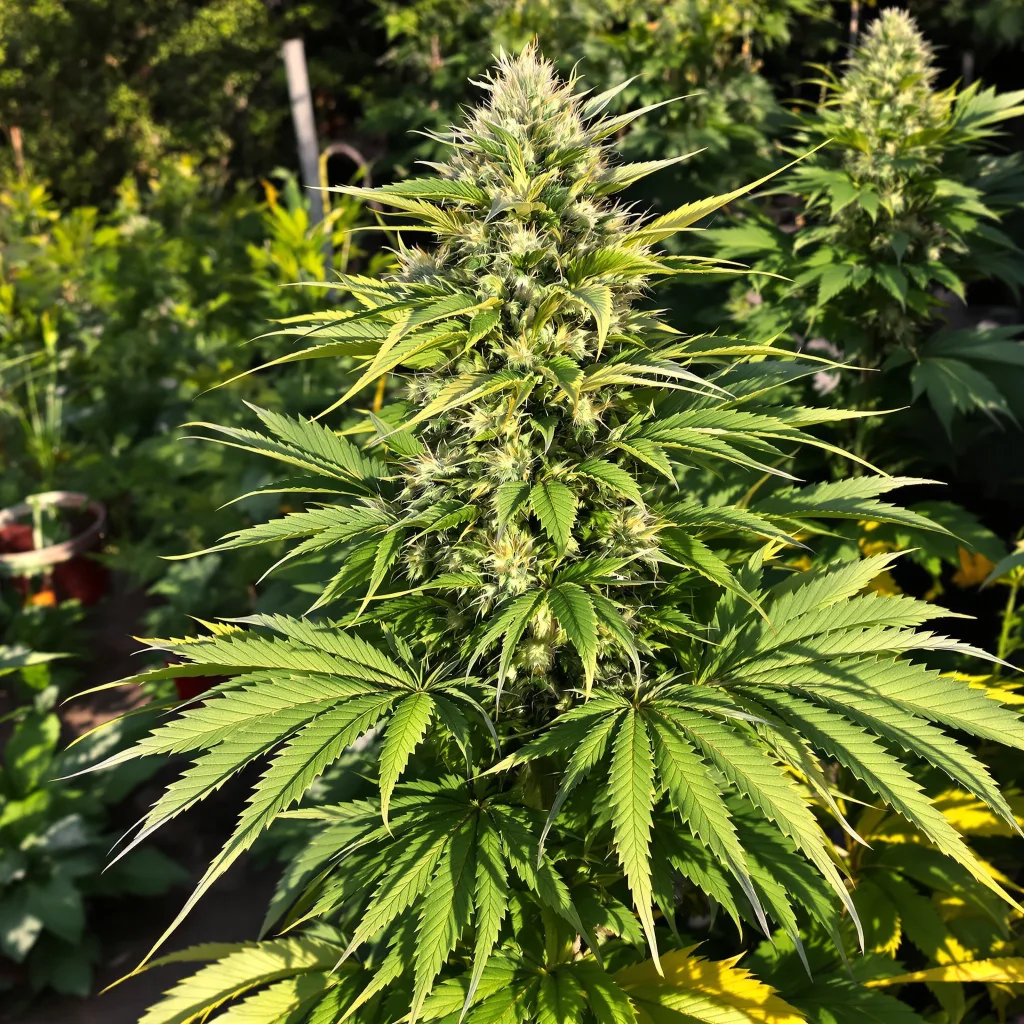
Questions New Zealand growers actually ask
Are feminised seeds always 100 percent female?
In practice the rate is very high but not absolute. A small number of plants in any large batch can show intersex traits, usually under stress, and occasionally through parent selection. For a home grow of a handful of plants you should expect all females, while still checking the nodes through early flower.
Will a feminised plant produce a weaker harvest than a regular seed?
No. The feminisation process does not reduce vigour, potency or yield. Any difference you see between a feminised plant and an unfeminised one of the same line comes from phenotype variation and growing conditions, not from how the seed was made.
Can I plant feminised seeds in New Zealand in October and expect an April harvest?
That is the normal pattern for a photoperiod feminised plant: out after the last frost in your district, usually around October, flowering as the days shorten from February, cut through March and April. Whether April is realistic depends entirely on the cultivar's flowering length and your latitude — inland Canterbury, Otago and Southland need something that finishes earlier than Northland does.
Do I need to do anything different when germinating feminised seeds?
No, the method is identical to any other cannabis seed, and published germination data sits on each variety's genetics report — the M-39 Feminised genetics page shows the format. Keep them warm, damp rather than wet, and dark until the taproot shows.
If I find a seed in my own harvest, is it feminised?
Usually yes. Seeds that appear because a female threw a few late anthers and pollinated herself or a neighbour will be female, because no male parent was involved. They may also carry the same stress-triggered tendency, which is why self-produced seed is a gamble rather than a free packet. Details on what we send and how are on the shipping information page.
Ready to Start Growing?
All 1,677 varieties, posted unbranded and tracked to both islands, each with whatever grow figures we could trace.
Shop Cannabis Seeds