Alaskan Purple Strain in New Zealand: Cold Tolerance, Colour, and What Our Autumn Does To It
Royal King Seeds
Cultivation team
Alaskan Purple is a cold-weather purple hybrid, and in New Zealand that makes it a southern and inland proposition rather than a northern one. It earns its keep in Canterbury, Otago, Southland and the cooler inland valleys, where the cold March nights that bring out its colour arrive early enough to matter and the air stays drier than it does up north — and it struggles most in a humid Northland or Bay of Plenty autumn, where dense, cold-set purple buds hold moisture and invite botrytis.
That is the short answer. The longer one is worth reading, because "Alaskan Purple" is a name attached to more than one set of genetics depending on who produced the seed, and because the traits that make a purple cultivar good in a cold climate are not automatically the traits that make it good in a wet one. New Zealand autumn is both, depending where you stand.
The name describes a reputation, not a fixed genotype
Alaskan Purple circulates as a cold-hardy, early-finishing, heavily purple-expressing hybrid, usually described as indica-leaning with some northern outdoor landrace input. Different breeders have released seed under that name with different parentage, which means flowering time, stretch and final structure can vary noticeably between sources. Before you commit a season to it, find the breeder's own stated flowering window and treat anything you read on a forum as a hint rather than a figure.
This matters more here than it does in most places. In New Zealand, finishing date is the single most decision-relevant number on a seed listing, because the difference between a variety that cuts in late March and one that wants until early May is the difference between a harvest and a mouldy write-off in half the country. A cultivar name tells you almost nothing. A published flowering window and a known provenance tell you a lot. If you are weighing several candidates, the side-by-side cultivar comparison tool is a faster way to line up flowering times than reading four product pages in sequence.
Why cold-climate purple suits the lower South Island specifically
Anthocyanin expression — the pigment behind purple foliage and bud — is largely genetic, but in most cultivars it needs a trigger. The usual trigger is a widening gap between day and night temperature late in flower, often around a 10°C differential, sometimes more. Plants carrying the genes colour hard under those conditions and stay green without them.
New Zealand delivers that differential beautifully in some places and barely at all in others. Inland Canterbury and Central Otago drop sharply after sunset from February onward. The Mackenzie, the Maniototo and the Waitaki can swing twenty degrees in a day in March. That is purple weather. Coastal Auckland in March, where the overnight minimum sits in the mid-teens and the sea moderates everything, is not — a purple-capable plant grown there often finishes a disappointing dusky green with a blush on the sugar leaves and nothing more.
So if colour is the reason you want Alaskan Purple, geography decides whether you get it. The same logic applies to every cultivar in our purple genetics range: the gene has to be there, and the climate has to ask for it.
Cold tolerance and damp tolerance are not the same trait
This is where cold-climate purple genetics catch New Zealand growers out. A plant bred for a short northern season is typically bred for short, chunky internodes and dense flowers that pack weight into a brief window. In a dry continental autumn, that structure is fine. In a New Zealand autumn — where rain arrives with the cold and sits in the canopy for days — dense flowers are exactly what Botrytis cinerea wants.
Bud rot does not need a heatwave or a pest. It needs moisture held against plant tissue for long enough, and a wound or a dead petal to start on. A cold-set, tightly packed purple cola in a Taranaki or Waikato April is near-ideal habitat. The plant can be perfectly cold-hardy and still lose half its top growth to grey mould in a fortnight.
Three structural features decide how a purple cultivar copes with this:
- Bud density. Looser, more open flower clusters dry out between showers. Rock-hard golf balls do not.
- Internode spacing. Airflow through the plant matters as much as airflow around it. Short-noded indicas need more aggressive defoliation and lower-branch removal here than they would elsewhere.
- Finishing date. Every week you can pull forward is a week of autumn rain you do not have to survive. A cultivar that finishes in late March is a fundamentally safer outdoor bet than one that finishes in late April, almost regardless of its other qualities.
If you have had mould take a crop before, read how plant structure and finishing speed change bud rot risk before you choose anything dense for an outdoor site.
Working the Southern Hemisphere season backwards from your frost date
Seedlings go out after the last frost, which in most of the country means October, later inland. Flowering triggers as daylight shortens through late February and March. Harvest runs March to April, and in the far south the first autumn frosts can arrive from April onward — which is the wall you are working back from.
The practical method is simple. Find your local average first-frost date, subtract the cultivar's stated flowering time, and that gives you the latest date flowering can begin. If the maths does not work, the variety is wrong for your site, not your technique. Nothing you do with nutrients or training will pull a late finisher forward by a fortnight.
Here is how the season maps out month by month for an outdoor crop in this country.
Timings shift with latitude — the north runs earlier and longer than inland Otago and Southland.
Cold-climate purple genetics are generally in the early half of the pack, which is their main advantage here. But "early" claims in seed marketing are made against Northern Hemisphere conditions and often against indoor flowering. Outdoors in New Zealand, a plant that takes eight weeks of flower in a tent will routinely want nine or ten in a cool, low-light April. Build that in.
Region by region: where Alaskan Purple-type genetics work and where they fight you
Northland, Auckland and the Bay of Plenty
Warm enough that the plant will grow enormous, humid enough that dense purple flowers are a liability, and mild enough overnight that you may not get much colour anyway. If you want to run this type up here, grow it smaller rather than bigger, strip the interior hard in late February, and plan to harvest at the earliest defensible point rather than chasing the last ten percent of swell. A tunnel or a simple rain cover over the canopy changes the odds more than any spray.
Gisborne, Hawke's Bay, Nelson and Marlborough
The best outdoor regions in the country for this style. High sunshine hours, drier autumns, and enough inland night-time cooling to pull real colour out of a purple-capable plant. If you are on free-draining Hawke's Bay or Marlborough ground with a bit of shelter, a cold-hardy purple hybrid is close to the ideal outdoor crop.
Wellington, Wairarapa and the Canterbury plains
Wind is the limiting factor, not cold. A Wellington southerly or a Canterbury nor'wester will shred a tall, top-heavy plant and snap branches that are already loaded. Keep these plants short and wide, stake every main branch by early March, and site them where a fence or hedge breaks the prevailing wind. The upside is that wind dries a canopy fast, so mould pressure on the plains is lower than the rainfall figures alone suggest.
Central Otago, inland Canterbury and Southland
This is the type's natural home in New Zealand. Big diurnal swings, dry air, and the kind of autumn that puts deep colour into anthocyanin-capable plants. The constraint is the calendar: frost can arrive in April, and a frost on wet, swollen flowers finishes the argument. Choose the earliest-finishing option you can, start seedlings under cover in September so they go out large in late October, and have frost cloth ready.
The West Coast
Rainfall is the whole problem. Dense-flowered genetics outdoors on the Coast are a gamble most seasons. Either grow under cover, or choose something with genuinely open, airy bud structure and accept less weight.
What to grow here if you are after the same thing
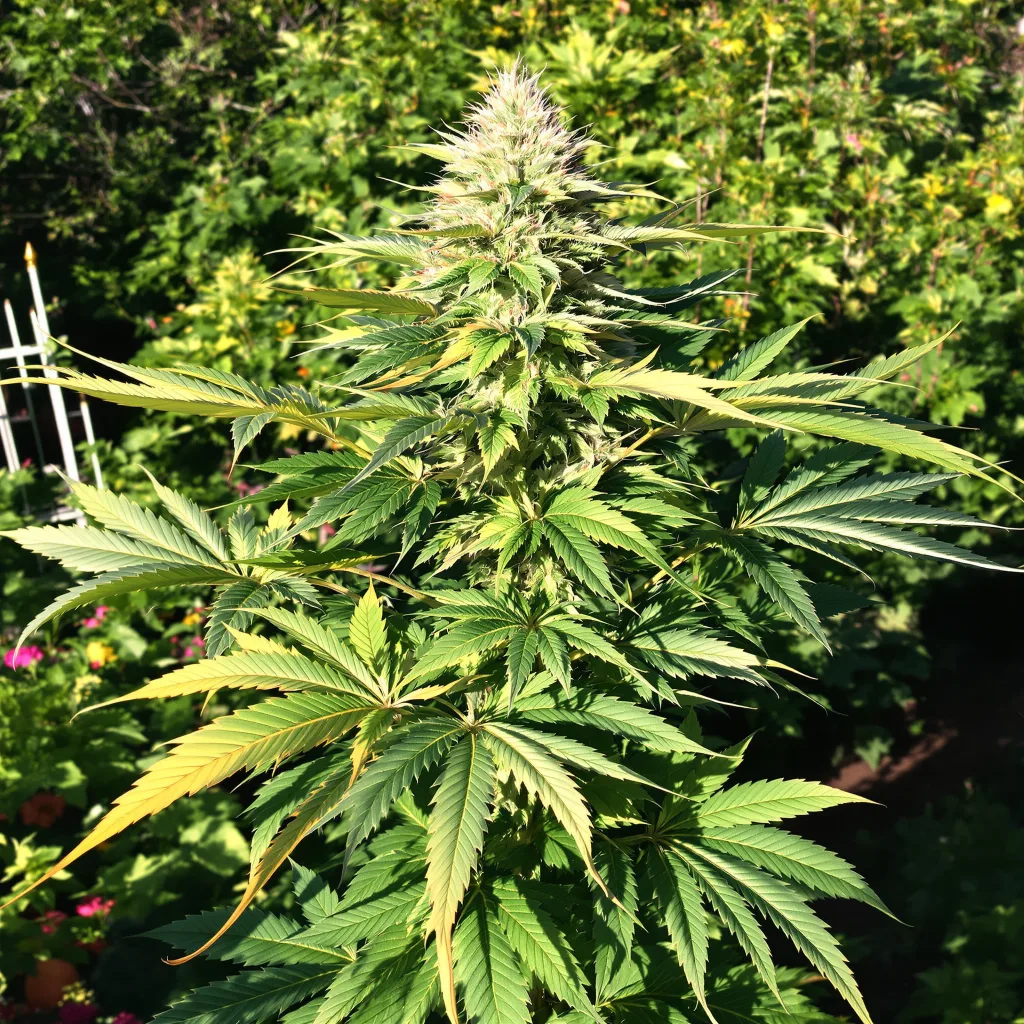
We do not list Alaskan Purple. What we do list is a set of purple-expressing cultivars that fill the same role for a New Zealand grower — cold-responsive colour, indica-leaning structure, and in the autoflowering cases, a finish that sidesteps the autumn entirely. These are the ones worth weighing against each other.
Granddaddy Purple Feminised is the obvious comparison point: a well-established purple indica with reliable colour expression when nights cool, and the same density caution attached. It is a strong South Island and east coast outdoor plant and a very comfortable indoor one. The published flowering window, cannabinoid figures and terpene panel are all on the Granddaddy Purple genetics report rather than scattered through this article, because those are the numbers you should plan against.
If your site is marginal — short season, early frost, wet autumn — the autoflowering route is the more honest answer. Purple Monkey Balls Auto and Purple Alien OG Auto run on age rather than daylight, which means you can plant in November, harvest in February or early March, and never meet the April rain at all. The trade-off is size and total yield. For a Southland or West Coast grower, that trade is usually worth making. Our full autoflowering seed range is organised around exactly this problem.
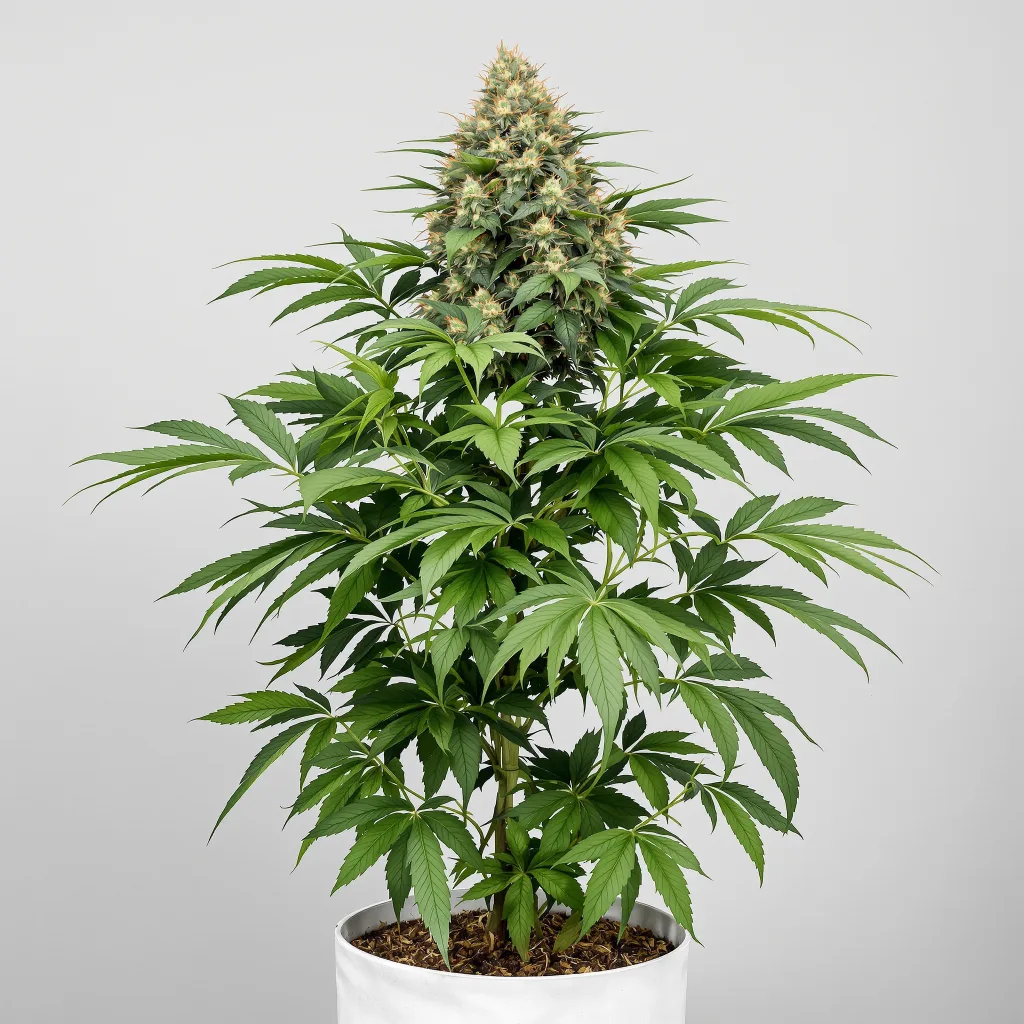
Where the decision is genuinely between two photoperiod purples for an outdoor South Island site, it comes down to flowering length and height more than anything else.
| Granddaddy Purple Feminised | Purple Star Feminised | |
|---|---|---|
| Type | Photoperiod | Photoperiod |
| Lean | Indica | Indica |
| Listed THC | 17-23% | 10% |
| Flowering | 8-10 weeks | 6 - 7 weeks |
| Height | Up to 100 cm | 110–150 cm |
| Indoor yield | up to 500 g/m2 | 450–550 g/m² |
| Outdoor yield | up to 600 g/plant | 400–600 g/plant |
| Difficulty | Beginner | Easy |
| Price from | $22.49 | $21.59 |
Indoors, the colour is on you rather than the weather
Under lights, purple expression becomes a controllable variable. Drop your lights-off temperature in the last two to three weeks of flower so there is a meaningful gap between day and night — somewhere around 10°C of difference is the usual target — and a purple-capable plant will colour. Without that drop, the same seed in the same tent often finishes green.
A few things are worth knowing before you chase it:
- Cold slows ripening. Running a cold night period extends flowering slightly. Budget an extra few days.
- Do not confuse purple with deficiency. Phosphorus shortage and cold root zones both produce purple stems and petioles with no bud colour. If the purpling is in the stalks and the leaves are dulling, that is a feeding problem, not a phenotype. Run your inputs through the nutrient calculator before you congratulate yourself.
- Density goes up indoors. Controlled conditions make these cultivars pack tighter than they do outside, so airflow through the canopy and a sensible relative humidity in late flower still matter, even without rain.
- Keep plants short. Indica-leaning purples stretch less than sativas, which makes them a natural fit for a 1.2 metre tent run as a flat canopy.
Yield planning indoors is more predictable than outdoors for the same reason. If you are sizing a tent or working out how many plants to run per square metre, the grams per square metre yield calculator will get you closer than guesswork.
Purple colour and reported effect are separate questions
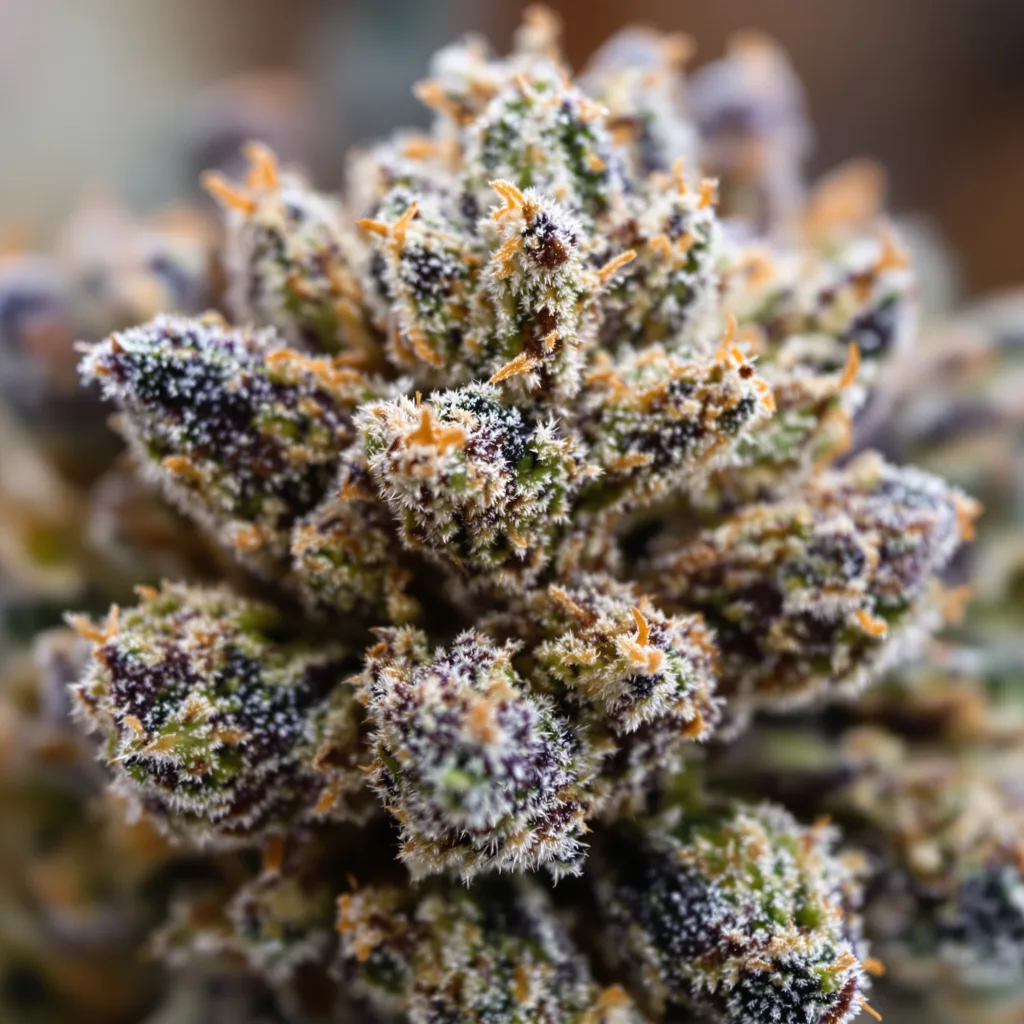
It is worth saying plainly: anthocyanin is a pigment, and pigment is not potency. A deeply purple plant is not automatically stronger, and a green phenotype from the same packet is not a failure. The cannabinoid and terpene profile of any cultivar we list is published on its own genetics report — for instance the Purple Star genetics report — and that is where to look, rather than judging by colour in a photograph.
Purple cultivars in this family are generally reported as heavy and relaxing in character, with grape, berry and sometimes earthy-sweet notes in the aroma. Those are reported characteristics of the type, and individual phenotypes vary; two plants from one packet can smell meaningfully different from each other. Growing several and selecting is the only reliable way to find the one you want to keep.
A workable plan for a first purple outdoor crop here
- Start indoors in September so plants are robust and 30–40 cm tall when they go out after your last frost in October.
- Top once in November and spread the plant wide rather than tall. Wind and mould both punish height.
- Stop nitrogen-heavy feeding by late January and transition to a flowering input as the daylength shortens.
- Defoliate the interior in late February — lower branches that will never make a decent flower come off entirely.
- Inspect every second day from mid-March, opening the biggest colas and looking for any grey, dull or dried-out bract. One rotted site spreads.
- Cut at the earliest acceptable ripeness if a week of rain is forecast. A slightly early harvest beats a lost one.
If you are not sure which cultivar fits your latitude and site, the strain finder filters by flowering time and growing environment, and the outdoor-suited cultivar category is narrowed to varieties that can realistically finish in a New Zealand season.
Questions New Zealand growers ask about this one
Will Alaskan Purple actually turn purple in Auckland?
Probably not strongly. Purple expression needs a wide gap between day and night temperature late in flower, and coastal Auckland in March and April stays too mild overnight for most plants to colour hard. You may get purple sugar leaves and a blush on the bracts. For full colour you want inland or southern nights.
Is a cold-hardy strain the right choice for Southland?
Cold hardiness helps, but finishing date helps more. A frost-tolerant plant that still wants until late April is no safer in Invercargill than a tender one, because the limiting factor is the calendar, not the plant's toughness. Either pick the earliest-finishing photoperiod you can find, or run autoflowers and harvest in February.
Does purple bud rot more easily than green?
Colour has nothing to do with it; structure does. Many purple cultivars happen to be short-noded, dense-flowered indicas, and that structure holds moisture — so the association is real even though the pigment is irrelevant. Judge a variety on bud density, internode spacing and finishing speed, not on its photographs.
Can I get the same look from an autoflower instead?
Yes, and in a wet region it is often the smarter call. Autoflowering purples still need a temperature differential to colour, which a February or early March finish in most of the country will supply, and finishing before the autumn rain removes the biggest single risk to an outdoor crop here.
How much does flowering time vary between purple cultivars?
Enough to change which regions a plant suits. The spread across the purple range is not trivial, and the listed flowering window on each cultivar page is the figure to plan from — check it against your own first-frost date rather than against a general rule.
113 of 113 varieties in this category publish a flowering time. Counted from the catalogue when this page was built.
Related Articles
Ready to Start Growing?
All 1,677 varieties, posted unbranded and tracked to both islands, each with whatever grow figures we could trace.
Shop Cannabis Seeds