Fungus Gnats NZ: Identifying Them Early and What Actually Works
Royal King Seeds
Cultivation team
If you have small dark flies walking across the surface of your mix and hopping when you disturb it, you have fungus gnats, and the fix is a three-part one: let the top 2–3 cm of medium dry out between waterings, put yellow sticky traps in to catch the egg-laying adults, and drench with a Bti product (Bacillus thuringiensis subsp. israelensis) every four to seven days for three weeks so you cover a full generation. That combination breaks the cycle in most New Zealand tents and glasshouses without any spraying of the plants at all.
The rest of this is about the cases where it is not that simple: seedling trays that cannot be dried out, coco runs that stay saturated by design, outdoor pots sitting through a West Coast wet spell, and the point at which biological controls earn their courier cost. It is also about telling gnats apart from the things people mistake them for, because the wrong identification wastes a fortnight — and a fortnight in early spring is a real cost when you are counting back from harvest.
What you are looking at, and what you are not
Adult fungus gnats (sciarid flies) are roughly 2–4 mm, dark grey to black, with long legs, visible antennae and a weak, drifting flight. They are poor fliers. You will usually see them running on the medium surface, on the inside of a pot rim, on the wet edge of a saucer, or crawling up the inside of a tent wall rather than buzzing around the room. Squash one and it smears; it is a delicate insect.
The damage is done by the larvae, not the adults. Larvae are translucent-white, thread-like, up to about 5 mm, with a distinctly dark head capsule you can see with a loupe. They live in the top few centimetres of damp medium, feeding on algae, fungi, decaying organic matter and — when populations climb — on fine root hairs and the base of seedling stems.
The three-minute check
- Tap test. Knock the side of the pot and watch the surface. Gnats scatter and then settle within a few seconds.
- Yellow sticky traps. Lay one flat on the medium and stand another vertically at canopy height. Flat traps near the surface catch far more gnats; a vertical trap catching more small flies than the flat one suggests you are dealing with something else.
- Potato slice. Press a 1 cm slice of raw potato onto the medium, cut side down. Lift it after two or three days and look at the underside and the flesh for larvae.
- Surface scrape. Scratch back the top centimetre with a pencil and look for larvae and for the faint slime trails they leave on the medium and on the pot wall.
Two lookalikes matter. Shore flies are stockier, faster, more like a tiny housefly, with short antennae and spotted wings; they eat algae and are a symptom of a permanently wet surface rather than a root pest, but the same drying and trapping regime clears them. Thrips are the misdiagnosis that costs you most — if the flying insects are pale, slender and you are also seeing silvery stippling and black specks on leaves, you have a foliar pest, and drenching for gnats will do nothing.
Why New Zealand grows get them in the first place
Almost every infestation here starts in the bag. Commercial potting mixes and seed-raising mixes sold through garden centres are bark and peat based, kept moist in the yard, and routinely leave the shelf with sciarid eggs and larvae already in them. Vermicast and worm castings are a second common source, and so is a bag of mix that has been opened, half used, and left folded over in a damp shed since last season.
The climate does the rest. Spring propagation in New Zealand happens in September and October, indoors or under cover, at a point when the air is cool and damp and evaporation off the medium surface is slow. A tray of seedlings held under a dome in an Invercargill or Alexandra spring — waiting out a last frost that may not clear until late October — can sit at a moisture level that suits gnats for six weeks straight. In Northland, Auckland and the Bay of Plenty the problem is ambient humidity: pots simply do not dry down at the surface, so there is always a nursery available.
Outdoors, the pattern flips to rainfall. Pots and bags on the West Coast, or anywhere through a wet autumn, stay saturated regardless of your watering habits, and gnat numbers climb through March and April in the same damp conditions that bring botrytis pressure into late flower. Plants in the ground rarely have a gnat problem worth naming; containers with a mulch of compost and a saucer underneath almost always do.
Seedlings take the real damage; a metre-tall plant mostly shrugs
The reason to act quickly is not the adults, which are harmless to the plant and merely annoying, and it is not the leaf damage, because there isn't any. It is that larvae feeding in the root zone of a seedling or a fresh clone are chewing the only roots that plant has. Symptoms are non-specific and easy to blame on something else: seedlings that stall for a fortnight, cotyledons that yellow early, wilting at midday in medium that is clearly wet, damping-off at the stem base, and clones that sit in the tray refusing to root.
Larvae also open wounds and move fungal spores around in the medium, so a gnat problem and a root-rot or damping-off problem tend to arrive together. If you have lost seedlings and found larvae, treat both: dry the surface, and back the feed off rather than pushing nutrients into a plant that cannot take them up. Working out a sensible strength for the stage the plant is actually at — rather than the stage the label assumes — is what the nutrient calculator is for.
An established plant in a 30-litre bag with a full root mass can carry a moderate larval population and show you nothing. That is worth knowing, because it tells you where to spend effort. Protect the propagation area obsessively. Tolerate a low background level in the flowering room, keep trapping, and do not tear a healthy crop apart over a few flies.
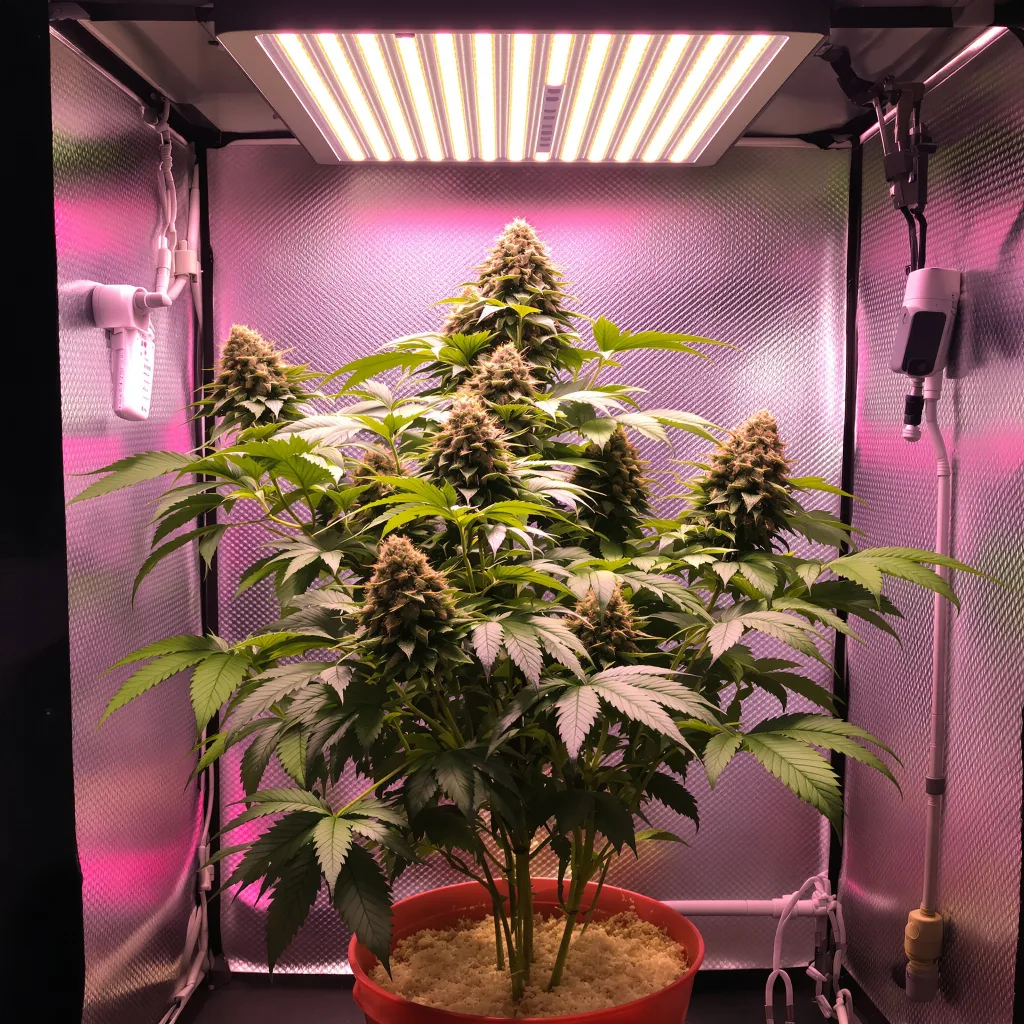
The first 48 hours, before you buy anything
Most of the useful work is free. Do this before ordering biologicals, because it changes how many you need and whether they establish.
- Fix the watering rhythm. Water to a small amount of runoff, then wait until the top 2–3 cm is genuinely dry to a finger pushed in. In soil and peat mixes this alone kills a large share of eggs and first-instar larvae, which cannot survive a dry surface.
- Empty every saucer and tray. Standing water and wet capillary matting are the two best gnat nurseries in any indoor grow. Raise pots on feet or a rack so air moves underneath.
- Scrape off algae. Green film on the medium, on the pot rim, or on the tent floor is larval food. Remove it, then keep those surfaces dry.
- Lay flat yellow traps on every pot. They will not solve it, but they cut the number of females laying, and the daily catch is your only real measure of whether you are winning.
- Bottom-water seedlings. Fill the tray, let the cells drink for ten minutes, tip out the rest. The surface stays dry and inhospitable while the roots stay wet.
- Seal and store your mix properly. Close the bag, keep it dry, and never leave an opened bag beside your propagation area.
Improve airflow across the medium surface at the same time. A small fan directed low, across the tops of the pots rather than at the canopy, dries that top layer faster than anything else and makes the whole environment less pleasant for adults trying to land and lay.
The controls that actually break the cycle
A fungus gnat generation runs from egg to adult in roughly two and a half to four weeks depending on temperature — faster in a warm tent, considerably slower in a cool spring glasshouse. Nothing you apply kills eggs, larvae, pupae and adults at once, so single applications always fail. Plan on three weeks of repeat treatment. That is the single most common mistake.
Bti drenches
Bti is a soil bacterium sold in New Zealand as granules and briquettes for mosquito larvae in water tanks, ponds and troughs. Steeped in water and used as a drench, it is specific to the larvae of gnats and mosquitoes and does not touch the plant, beneficial mites or earthworms in the wider garden. It kills larvae that ingest it, does nothing to eggs or pupae, and has a short life in the medium — hence a drench every four to seven days across three weeks. Follow the label rates on whatever product you buy; do not guess at a concentration.
Steinernema feltiae nematodes
These are microscopic worms that hunt gnat larvae in the medium and are the strongest option for a serious infestation in propagation. They are supplied live by New Zealand biocontrol suppliers, arrive chilled by courier, and have a short refrigerated shelf life, so order to a date you can actually apply.
Points that decide whether they work: mix into dechlorinated water, apply as a drench rather than a fine spray (they are damaged by pressure and by UV), keep the medium moist for a day or two afterwards, and only apply when the medium is above roughly 10–12°C. In a cold Canterbury or Southland spring, sitting a propagation tray on a heat mat is often the difference between establishment and a wasted order.
Predatory mites
Stratiolaelaps scimitus (long sold as Hypoaspis miles) is a soil-dwelling predatory mite that patrols the top few centimetres eating eggs and small larvae. It is best used preventatively, sprinkled onto the medium surface at potting, and it will keep a low population suppressed for months. The catch is that mites want a slightly moist surface to work in, which is the opposite of the drying strategy. In practice: use drying and Bti to crash an active outbreak, then introduce mites as the standing defence once numbers are low.
Physical barriers
A 2 cm layer of coarse horticultural sand, fine gravel or dry perlite over the medium stops females reaching damp organic material to lay in, and dries out fast enough to be hostile to anything that hatches. Fabric or hessian discs cut to the pot diameter do the same job and are easier to lift for a root check. Barriers are excellent as prevention and nearly useless on their own once larvae are already established below the barrier.
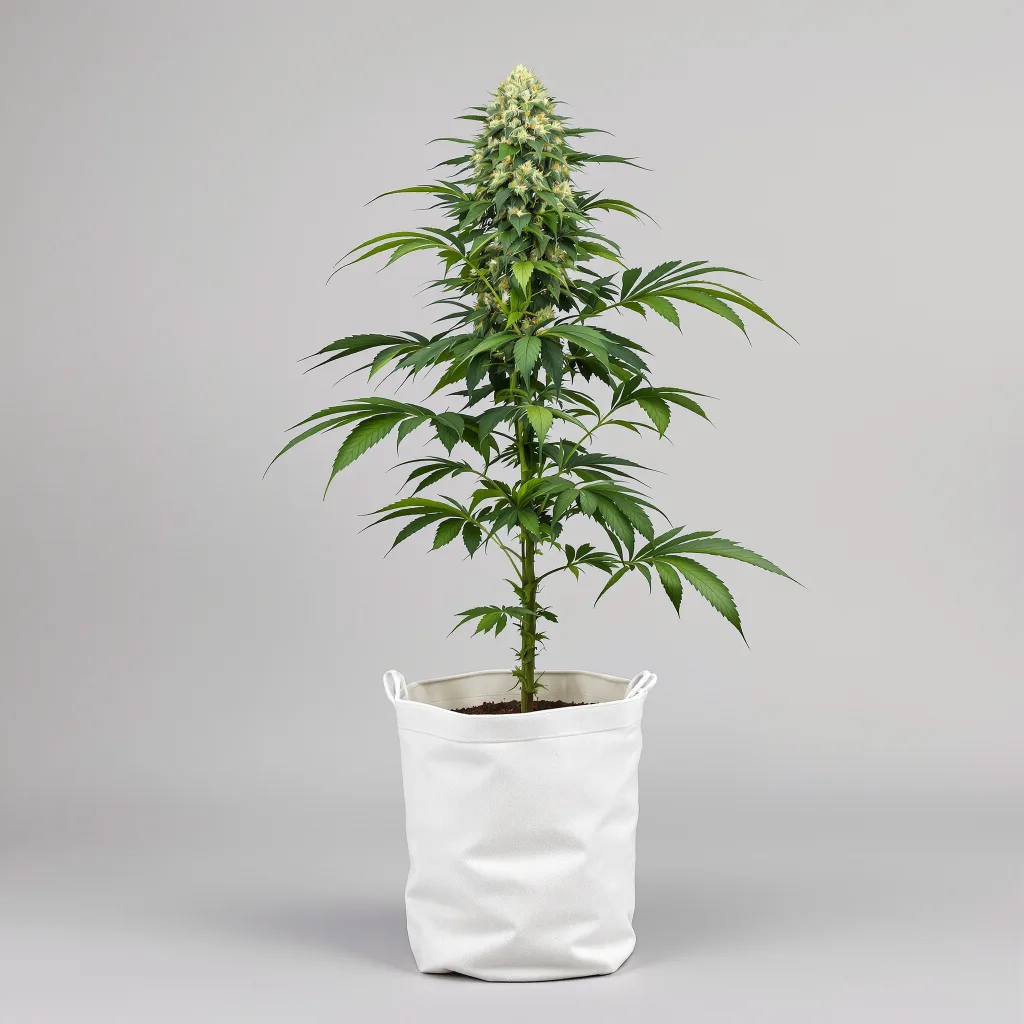
What does not work, and what makes it worse
Hydrogen peroxide drenches are the most repeated bad advice. A dilute peroxide flush will kill some larvae in the top layer, oxidises out within minutes, and does nothing to the eggs or the population deeper in the pot — while stressing fine roots on exactly the seedlings you are trying to rescue. Cinnamon, chamomile tea and garlic drenches have the same problem in a gentler form: they may suppress surface fungi slightly, and they do not remove the larvae.
Apple cider vinegar traps catch fruit flies, not gnats, which are not strongly drawn to fermenting fruit. Broad-spectrum insecticide sprayed on the foliage is pointless because the pest is not on the foliage. Diatomaceous earth works only while bone dry, which the surface of a watered pot never stays, so it is a barrier that fails on its first watering unless you top it up each time. And letting a plant wilt hard in an attempt to dry the medium out costs you more growth than the gnats were taking.
The two habits that quietly sustain infestations are mulching containers with fresh compost or vermicast, and leaving damp capillary matting in place between waterings. Both give larvae food and moisture no matter how carefully you water.
Where gnats sit in the New Zealand season
Gnat pressure here has two peaks, and they line up with the two points where your grow is most vulnerable. The first is September to October, in propagation, when seedlings are small and the mix is cool and wet. The second is March and April, when autumn arrives damp, outdoor containers stop drying between rain events, and you are trying to bring plants through late flower without botrytis. Neither peak is a surprise, which means both can be planned for. Mapping your own dates against the wider outdoor calendar makes the timing obvious.
Timings shift with latitude — the north runs earlier and longer than inland Otago and Southland.
Practical consequence: order nematodes or mites to arrive in the week you sow, not the week you notice a problem. Preventative barriers go on at potting-up, because that is the only moment you can install them without disturbing anything.
Shorter time in a pot means fewer gnat generations
Genetics will not make a plant gnat-proof, and nobody should sell you that idea. What genetics does change is the length of the window. A plant that spends nine weeks in flower rather than thirteen sits through fewer gnat generations, gets rained on less in autumn, and comes out of the ground before the wettest part of the season sets in — which is the same reasoning that drives strain choice for damp New Zealand autumns generally. Autoflowering plants compress the exposure further because they go from seed to harvest without a long vegetative hold in a propagation area. The spread of run times across the autoflowering range shows how much that window can vary.
422 of 422 varieties in this category publish a flowering time. Counted from the catalogue when this page was built.
The second thing genetics buys you is a fast, vigorous start. Seedlings that put roots down quickly outgrow low-level larval feeding; slow, sulky starters are the ones that stall and die. Early-finishing outdoor lines have generally been selected for exactly that hardiness, which is why they turn up so often in outdoor-suited varieties for New Zealand conditions.
If you are choosing between two of those for a damp autumn — say a Northland site where humidity never lets up, versus an inland Canterbury site where the frost date is the constraint — put the finishing times and structures next to each other rather than reading two pages separately.
| Early Skunk Feminised | Early Girl Feminised | |
|---|---|---|
| Type | Photoperiod | Photoperiod |
| Lean | Indica | Indica |
| Listed THC | 21% | 20% |
| Flowering | 55-65 days | 7-8 weeks |
| Height | over 2 m | Medium |
| Indoor yield | Up to 500g/m² | 397-510 g/m2 |
| Outdoor yield | Up to 600 gr | 567 g/plant |
| Difficulty | Easy | Easy |
| Price from | $26.09 | $28.79 |
Early Skunk Feminised is the one most often reached for on wet sites because of how it handles weather, and the published flowering window, cannabinoid figures and terpene panel are all set out on its Early Skunk genetics report rather than being something to guess at. If you want to filter by finishing time against your own region and frost risk, the strain finder does that in one pass.
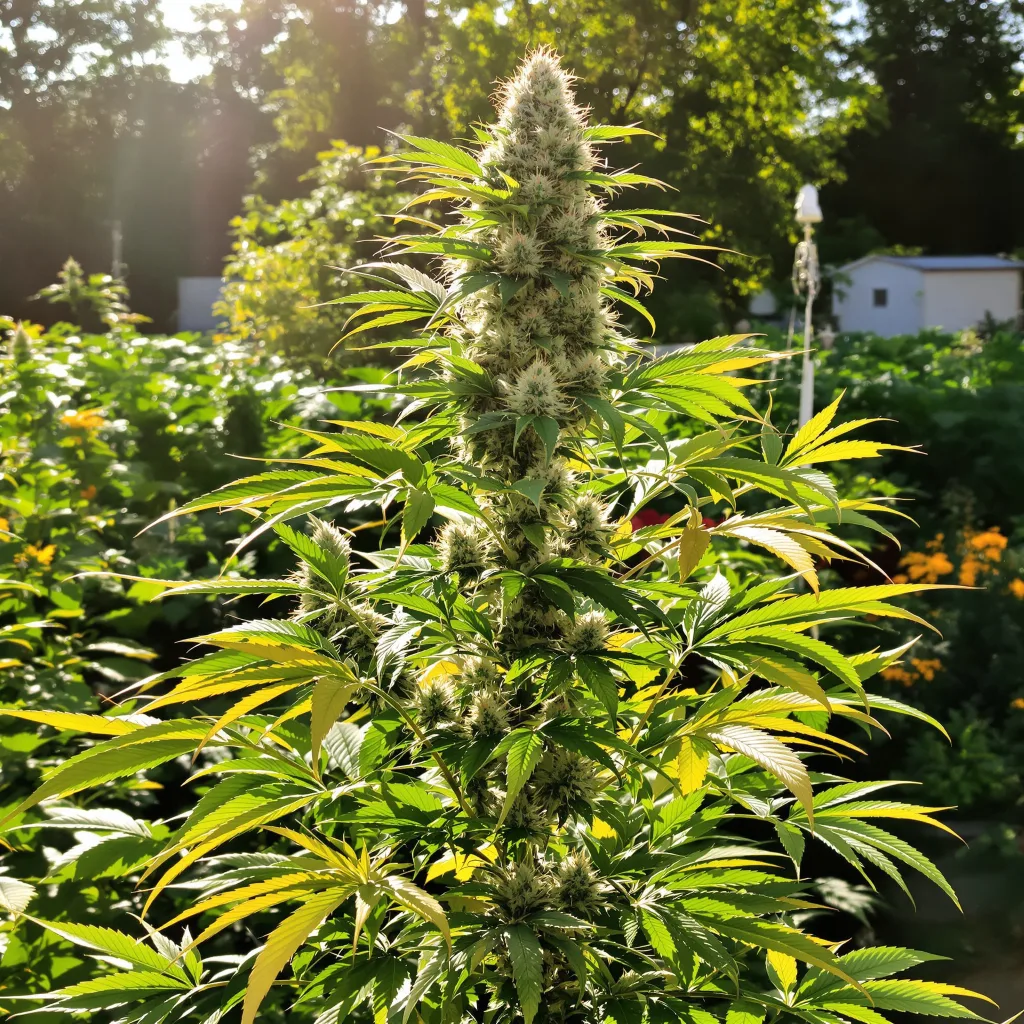
Questions New Zealand growers actually ask about fungus gnats
Will fungus gnats kill a mature plant?
Very rarely. A plant with a developed root mass in a reasonable volume of medium can carry a moderate larval population with no visible effect, and the adults do no damage at all. Seedlings, fresh clones and anything in a small cell are the real casualties, so that is where the drying, trapping and drenching effort belongs.
Do I have to throw out the potting mix?
No, and repotting an infested plant into fresh mix usually just moves the larvae with it. Treat in place: dry the surface, drench with Bti on a four-to-seven-day cycle for three weeks, and trap the adults. Do discard mix that has gone sour and anaerobic, because that is a root problem as well as a gnat problem.
Can I still deal with them in flower?
Yes, because everything that works happens in the medium rather than on the buds. Bti drenches, nematodes and predatory mites are all applied to the root zone and nothing is sprayed onto flowers, which matters in a New Zealand autumn where any moisture sitting in dense buds is a botrytis invitation. Keep sticky traps low, near the pots, not up in the canopy where they collect trichomes.
Why do they come back every spring even when I got rid of them?
Because the source is usually a new bag of mix, a tub of vermicast, or an area of the shed that stayed damp over winter, not the plants themselves. Reinfestation from a fresh bag is normal. The habit that ends the cycle is inspecting and trapping every new batch of medium for a week before anything is sown into it.
Are they worse in coco than in soil?
They can be, because high-frequency fertigation keeps the surface permanently wet, which removes the drying option entirely. In that situation lean harder on barriers, on Bti in the feed reservoir at label rate, and on predatory mites as a standing population, since you cannot use dryness as a weapon. Growers running coco often find prevention at potting-up far cheaper than treatment later.
None of this needs to become a project. Dry surface, flat traps, Bti on a schedule, and a barrier at potting-up will keep gnats to a background nuisance in almost any New Zealand grow. If you want the wider picture on getting seedlings out of the propagation stage cleanly, there is more in the grower's guides and seasonal notes, and ordering questions are answered on the frequently asked questions page.
Related Articles
Bud Rot: Why a Damp New Zealand Autumn Is When It Takes Hold, and the Plant Traits That Resist It
pests-and-problemsWhitefly Treatment in a New Zealand Grow: Identifying It Early and What Actually Works
pests-and-problemsThrips Damage in a New Zealand Grow: Reading the Leaf and Stopping the Spread
pests-and-problemsThrips NZ: Identifying Them Early and What Actually Works
Ready to Start Growing?
All 1,677 varieties, posted unbranded and tracked to both islands, each with whatever grow figures we could trace.
Shop Cannabis Seeds