Thrips NZ: Identifying Them Early and What Actually Works
Royal King Seeds
Cultivation team
If the upper leaves of your plants have developed dull silver or bronze streaks with tiny black specks scattered through them, you have thrips, and the fix is a combination of sticky monitoring cards, a predatory mite release or repeat spray cycle spaced five to seven days apart, and mulch or a top layer that interrupts the pupal stage in the soil. Thrips are not a one-spray pest — the adults fly, the larvae feed inside leaf tissue, and the pupae drop into the medium, so any treatment that only hits one of those three stages will look like it worked for a week and then fail.
In New Zealand the pest is usually one of two species: western flower thrips, which turns up in tents and glasshouses year round, and onion thrips, which arrives on the wind from surrounding pasture and vegetable ground through the warm half of the season. From a grower's point of view the identification matters less than the timing. Thrips pressure climbs from late November as grass and weeds dry off and the insects move into anything green and irrigated, and it peaks through January and February — exactly when your outdoor plants are stacking their final growth before flower.
The silver streak is the giveaway, and it is not a nutrient problem
Thrips do not chew. They rasp the leaf surface open and suck out the cell contents, which leaves an empty air pocket where chlorophyll used to be. That is why the damage looks metallic rather than yellow — you are seeing light scatter off collapsed cells. New growers routinely mistake it for a magnesium issue or light burn and spend a fortnight adjusting feed while the population doubles.
Three features separate thrips damage from anything else:
- The streaks follow the leaf veins in irregular patches, not a uniform interveinal pattern the way a magnesium deficiency does.
- Black specks of frass sit on the damaged area, roughly the size of ground pepper. Deficiencies do not leave droppings.
- Damage concentrates on newer growth and the undersides of leaves, because the larvae prefer soft tissue and shelter. Light stress starts at the top and the outside, evenly.
If you want certainty, hold a sheet of white paper under a suspect fan leaf and flick the leaf sharply. Adults are 1 to 2 mm, narrow, and yellow-brown to almost black; they will run rather than sit still. Larvae are smaller, pale cream, wingless, and slower. Seeing pale wingless crawlers means the population is breeding on your plants, not just visiting.
Blue cards catch them before your eyes do
Thrips are attracted to blue more strongly than to yellow. If you already run yellow cards for fungus gnats, add blue ones — two or three per square metre in a tent, and one card on a stake beside each outdoor plant at roughly canopy height. Check them every second day. You are not trying to trap your way out of an infestation; you are trying to know about it while the count is still in single figures.
Outdoors, place the cards on the windward side of the plot. In Canterbury, that means the north-west face during a nor'wester, and you will often see the first arrivals the day after a hot dry blow off the plains. The same pattern shows up in Marlborough and Hawke's Bay when the surrounding vineyards or crops are cut or sprayed — the thrips leave and land on whatever is still lush.
Keep a note of the count on a calendar or a phone photo of the card. A jump from three to thirty adults in a week is a treatment decision. Three adults a week for a month, with no larvae on the leaves, is background traffic that predators will handle on their own.
Why one spray always seems to work and then does not
The life cycle is the whole reason thrips are frustrating. A female lays eggs inside the leaf tissue, where nothing you spray can reach them. Those hatch into larvae that feed on the leaf for roughly a week. The larvae then drop to the medium and pupate in the top few centimetres of soil or coco, where contact sprays also cannot reach them. Adults emerge, fly, and lay again.
At the temperatures inside a New Zealand tent — 24 to 28 degrees Celsius — the full cycle runs about two to three weeks. Outdoors in a Northland or Bay of Plenty summer it is not much slower. So a single spray kills the exposed larvae and adults, the protected eggs hatch four days later, and you are back where you started.
Everything that actually works is built around this. Space treatments five to seven days apart so each round catches the newly hatched larvae before they mature. Run at least three rounds, and four if you are still seeing fresh streaking. Treat the medium surface as well as the foliage, because that is where a third of the population is sitting out your spray programme.
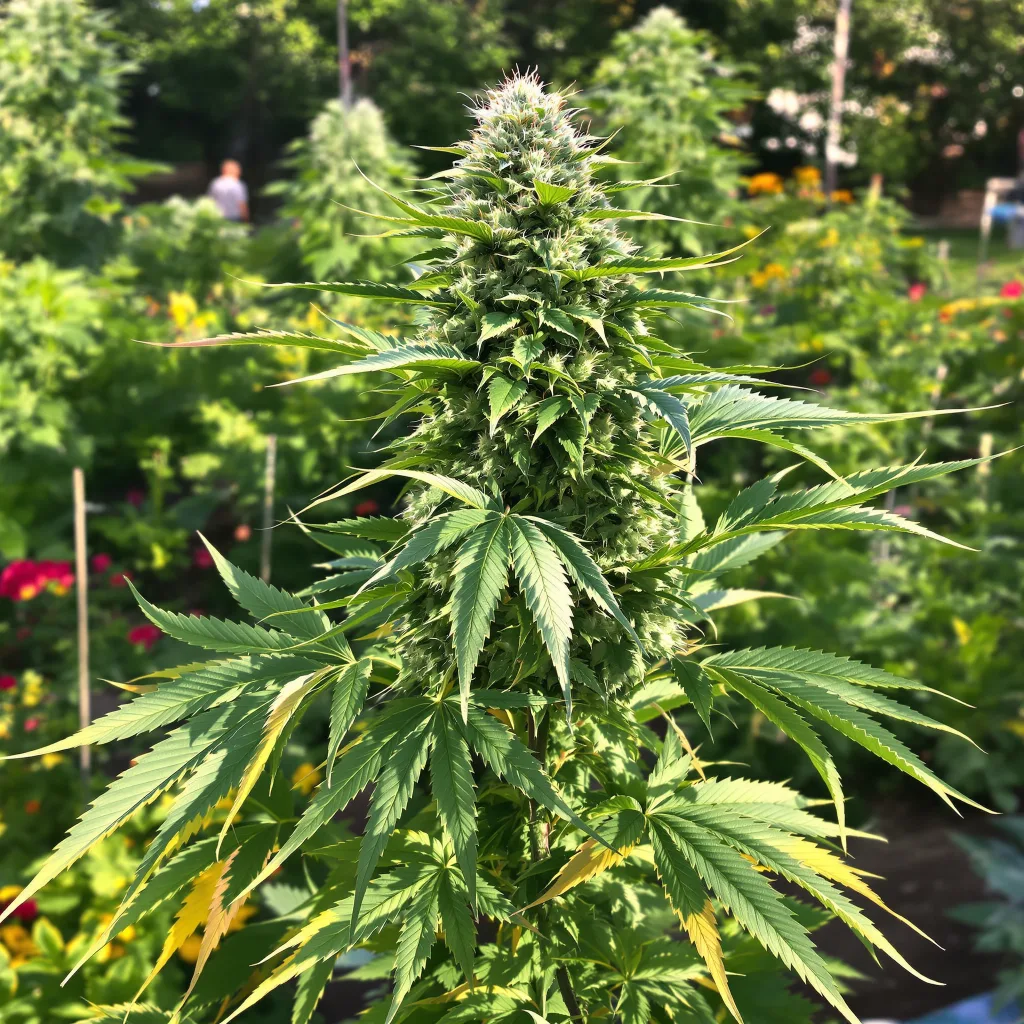
What actually works indoors: predators first, sprays second
In a sealed tent, biological control outperforms spraying because the predators go where you cannot. Two are widely available through New Zealand horticultural suppliers.
Predatory mites
Neoseiulus cucumeris is the standard choice and works well as a preventative — sachets hung on branches release mites continuously for several weeks and they eat first-instar thrips larvae. Amblyseius swirskii is more aggressive and handles warmer conditions, which suits a summer tent. Both need relative humidity above roughly 60 per cent to establish, so they are a better fit in vegetative growth and early flower than in the dry late-flower conditions you should be running to keep botrytis out.
Soil predators for the pupal stage
Stratiolaelaps scimitus (formerly Hypoaspis) lives in the top layer of the medium and eats thrips pupae, which is precisely the gap a foliar spray leaves. If you already introduced them for fungus gnats they are working on your thrips too. A single application early in the grow is cheap insurance and they persist as long as the surface stays slightly moist.
Where the population is already heavy, knock it down first and then release predators, because releasing beneficials into a severe infestation just feeds them into a losing battle. Insecticidal soap or a potassium salt spray applied to run-off, undersides included, gives a fast reduction without a long residue that would kill the mites you release a week later. Spinosad-based products registered for horticultural use are effective on thrips larvae but are hard on predatory mites, so use one approach or the other and not both in the same fortnight.
Practical sequence for a tent with an established population:
- Day 0 — full soap spray, leaf undersides and medium surface, lights off, then again at day 5 and day 10.
- Day 12 — release Stratiolaelaps into the medium surface and water lightly.
- Day 14 — hang cucumeris or swirskii sachets, one per plant, in the middle of the canopy out of direct light.
- Ongoing — blue cards checked twice weekly; if adult counts rise again, you have a source outside the tent.
That last point is worth underlining. Thrips get into tents on clothing, on cuttings, and through intake vents. If you are re-infesting every three weeks, fit fine mesh over the intake and stop walking from the vegetable garden straight into the grow space.
Outdoors, timing beats treatment
You are not going to eradicate thrips from a garden that sits next to pasture. What you can do is make sure the vulnerable window in your plant's life does not coincide with peak thrips pressure, and that the plant is vigorous enough that cosmetic leaf damage costs you nothing.
Seedlings and young plants are the real casualties. A 20 cm plant with four damaged leaves has lost a meaningful share of its photosynthetic area and will stall. The same damage on a 1.5 m plant in January is irrelevant. So the priority is getting plants out after the last frost — commonly late October in most of the North Island and coastal areas, later inland in Canterbury, Otago and Southland — and pushing them hard through November so they are big and tough before the thrips build up in December and January.
The month-by-month shape of the New Zealand season makes it clear how narrow that early window is:
Timings shift with latitude — the north runs earlier and longer than inland Otago and Southland.
Mulch does more for outdoor thrips control than any spray. A 5 cm layer of straw, bark or grass clippings over the root zone gives soil predators cover, holds surface moisture, and physically interrupts larvae dropping down to pupate. It also keeps the soil temperature steadier through a Wellington wind or a Canterbury hot spell, which is worth having anyway.
Mowing around the plot is a mixed blessing. Long grass harbours thrips, but cutting it drives them onto your plants in a wave. If you are going to mow, do it before the plants go out, or well clear of the plot, and not in the week you are expecting to flip into flower.
Choosing plants that shrug the damage off
Genetics will not make a plant thrips-proof, but vigour and speed change how much the damage costs you. A variety that builds frame quickly in November is out of the vulnerable size class before the population peaks, and a variety that finishes early is off the ground before autumn dampness compounds whatever stress the thrips caused.
The early-finishing Skunk and Early Girl lines are the obvious candidates here for outdoor New Zealand growing, because their fast vegetative push and compact structure means less time spent small and less time hanging on into wet April. The specific flowering windows and listed figures for each sit on their cards:
Early Skunk in particular puts on a lot of leaf area fast, which means a handful of streaked fan leaves barely dents the plant. Its full lineage, germination data and terpene panel are set out on the Early Skunk Feminised genetics report. If you are weighing two of these against each other for a specific site, put them side by side:
| Early Skunk Feminised | Early Miss Feminised | |
|---|---|---|
| Type | Photoperiod | Photoperiod |
| Lean | Indica | Hybrid |
| Listed THC | 21% | 21% |
| Flowering | 55-65 days | 50-60 days |
| Height | over 2 m | 90-120 cm. Medium |
| Indoor yield | Up to 500g/m² | up to 200 g/m2 |
| Outdoor yield | Up to 600 gr | up to 115 g/plant |
| Difficulty | Easy | Easy |
| Price from | $26.09 | $19.79 |
For a shortlist tuned to your own latitude and site rather than a general recommendation, the strain finder tool filters by finishing time and structure, and the broader outdoor-suited cultivars category is where most New Zealand garden growers start.
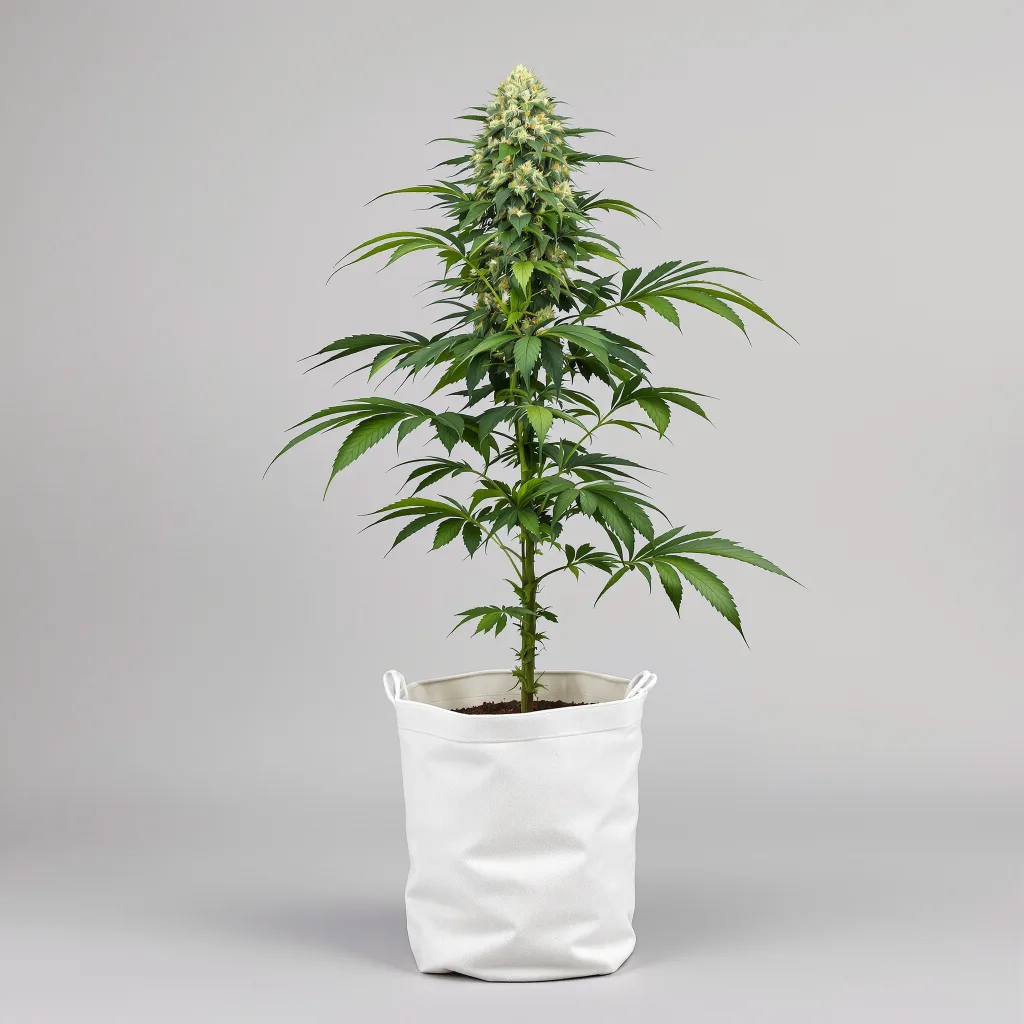
What thrips damage costs you, and when to stop worrying
Leaf damage from thrips is permanent. The cells are dead and the silver streaks will not green back up, so do not judge a treatment by whether existing damage improves. Judge it by whether new growth comes in clean. If the top two nodes emerging after your third spray round are unmarked, you have won even though the plant still looks scarred.
Where thrips genuinely hurt is in three places. First, on seedlings and clones, where lost leaf area is a large fraction of the whole plant. Second, at very high densities in flower, where they feed on bracts and leave bronzed, stippled bud surfaces that look poor and are harder to trim. Third, as vectors — thrips transmit plant viruses, and while cannabis is not a major host for the tospoviruses they carry, a heavily thrips-infested garden with tomatoes and capsicums nearby is a problem for the whole garden, not just the cannabis.
Once heads are forming, your spray options narrow sharply. Wetting dense flowers in a damp New Zealand autumn invites botrytis, which will do far more damage than the thrips ever would. From roughly the fourth week of flower, stop foliar spraying entirely and manage the rest of the run with airflow, defoliation of badly damaged lower leaves, and acceptance. A finishing plant has enough leaf area to carry through.
If you find them in late flower
- Do not spray water-based products into buds. The botrytis risk outweighs the thrips damage every time in a humid autumn.
- Increase airflow and remove the worst-damaged lower fan leaves to reduce both humidity and thrips shelter.
- Hang blue cards inside the canopy to pull adults away from the flowers.
- Plan on harvesting on schedule, not late. Stretching a run to recover yield in April is how a thrips problem turns into a mould problem.
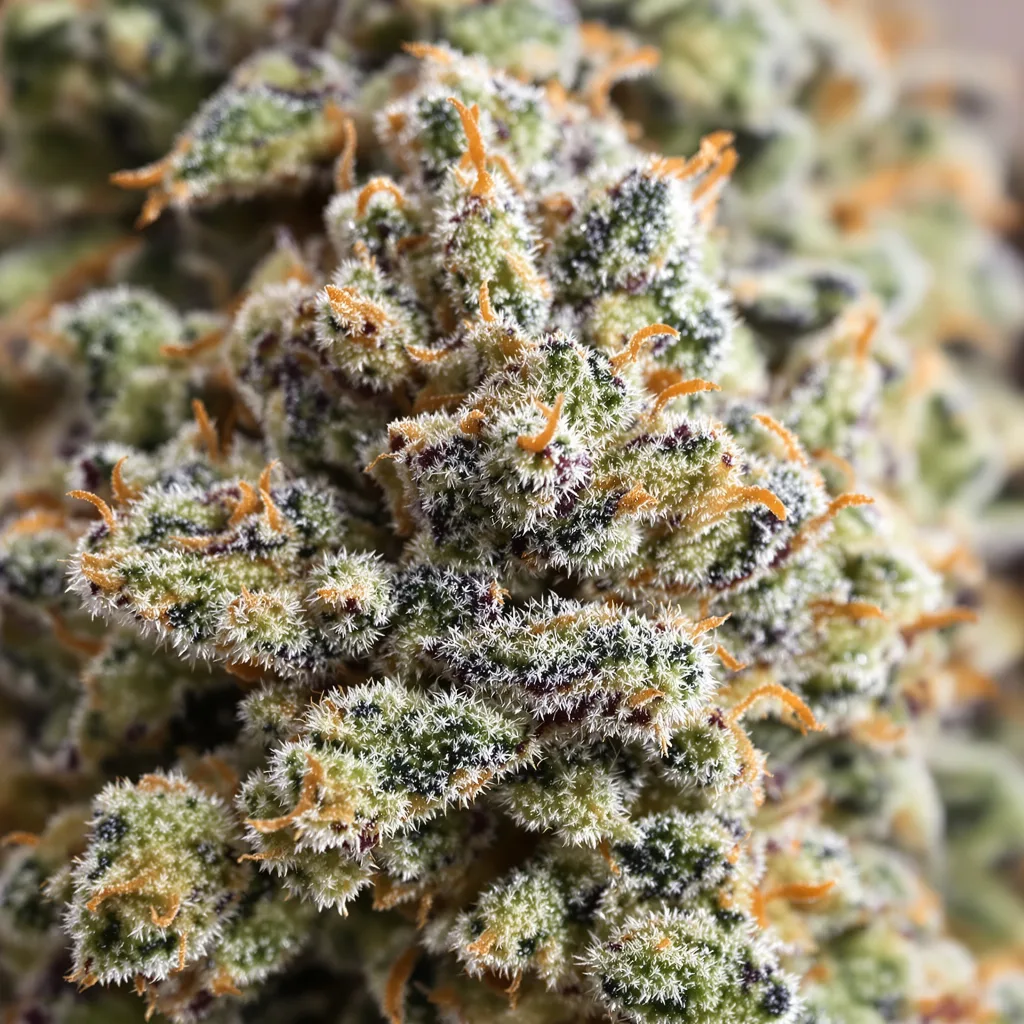
Building a tent that thrips cannot get established in
Indoor growers who never deal with thrips are usually doing four unremarkable things consistently. Fine mesh on passive intakes, so wind-borne adults cannot walk in. Soil predators introduced as a matter of course at the start of every run rather than as a response to a problem. Blue and yellow cards up permanently, replaced monthly, checked whenever they water. And no cuttings or plants brought in from outside without a fortnight in isolation and a close look at the growing tips.
Feeding also matters more than most people expect. Plants pushed hard on nitrogen produce soft, lush tissue that thrips find easier to rasp and prefer to lay in. Keeping nitrogen in a sensible range through late veg makes a measurable difference to how quickly a population establishes; the nutrient calculator is a reasonable starting point for a schedule that does not overshoot. If you would rather understand the reasoning behind leaf symptoms in general, the growing articles index covers deficiency reading and other pests separately.
Frequently asked questions
Are thrips or spider mites worse for a cannabis plant?
Spider mites do more damage faster and are harder to eliminate once established, because they breed on the leaf and never leave it. Thrips are slower and more forgiving, but they hide in the soil during pupation, which makes them survive spray programmes that would clear mites. The tell is the webbing — mites leave fine silk on leaf undersides and in branch crotches, thrips do not.
Will neem oil get rid of thrips?
Neem-based products reduce feeding and interfere with larval development, so they help, but they do not clear an infestation on their own and they need the same five to seven day repeat cycle as anything else. Apply with lights off or in the evening to avoid leaf burn, cover undersides thoroughly, and stop well before flowers get dense because the residue affects flavour. Many growers get better results from insecticidal soap plus soil predators.
Can I still smoke buds that had thrips on them?
Thrips feed on leaves and bracts rather than boring into the flower, so the material itself is intact, but heavily infested buds carry frass and dead insects that a dry trim will not fully remove. Give affected plants a close inspection at harvest, discard bud sites that are visibly bronzed and dirty, and be thorough with the trim. A clean-looking bud from a plant that had thrips on its fan leaves is fine.
When are thrips worst in a New Zealand outdoor grow?
Late December through February is the peak, driven by warm temperatures and surrounding vegetation drying off. Pressure drops through March as temperatures ease, which is fortunate because that is when flowers are getting dense and your spray options disappear. The risky combination is a plant that went out late and is still small in January.
Do thrips come back next season in the same soil?
Pupae overwinter in soil and plant debris, so yes, a bed that carried a heavy population is more likely to see one again. Clear the debris after harvest, turn the top of the bed over in winter, and put soil predators in early the following spring. Outdoors, most of the population arrives from surrounding land anyway, so site hygiene helps without solving it.
Related Articles
Bud Rot: Why a Damp New Zealand Autumn Is When It Takes Hold, and the Plant Traits That Resist It
pests-and-problemsWhitefly Treatment in a New Zealand Grow: Identifying It Early and What Actually Works
pests-and-problemsThrips Damage in a New Zealand Grow: Reading the Leaf and Stopping the Spread
pests-and-problemsFungus Gnats NZ: Identifying Them Early and What Actually Works
Ready to Start Growing?
All 1,677 varieties, posted unbranded and tracked to both islands, each with whatever grow figures we could trace.
Shop Cannabis Seeds